

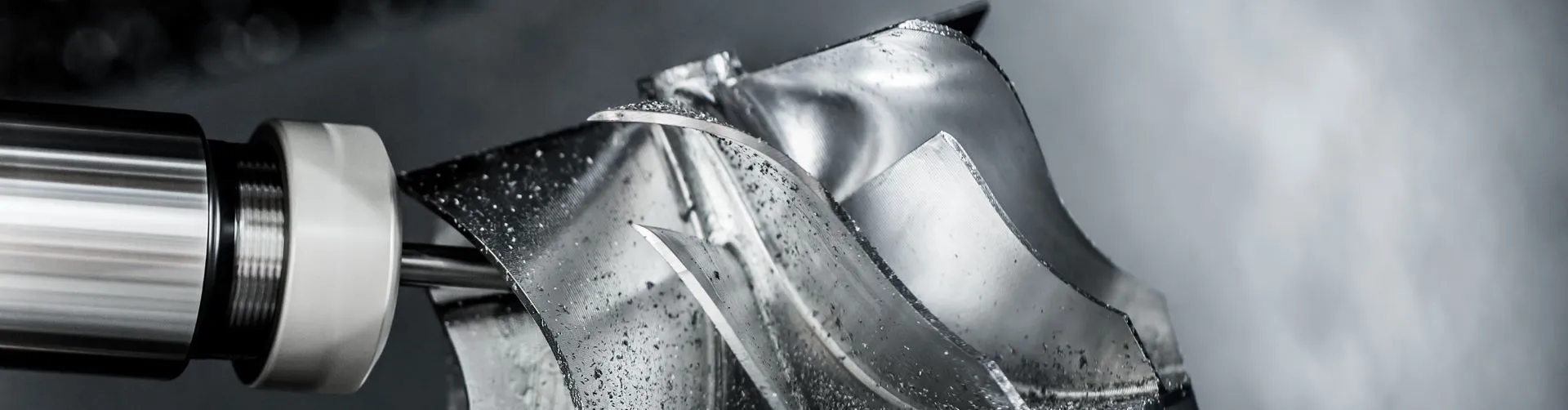


Custom CNC Machining Service Online
Get instant quotes for your custom metal and plastic parts with our Online CNC Machining Service. We're here to help you quickly bring your ideas to life, from prototypes to production parts, all in just days. Certified to ISO 9001:2015 and ISO 13485 standards.
-
0.08mmMiro Machining
-
20+Years Experience


Quality Assurance
With ISO 9001:2015 and ISO 13485 certifications, Pride ensures top-notch quality. We offer inspections, traceability, material certifications, and Certificates of Conformance.
Precision in Small Parts
We excel in machining ultra-small parts, achieving diameters as tiny as 0.08mm and precision down to 0.001mm, using advanced Japanese Mazak machines.
Flexible Options
We provide fast CNC machining for metals and plastics with flexible production and shipping options to meet your needs. Contact us for quotes, lead times, and design feedback.
Versatile CNC Services
Pride offers custom online CNC machining for any design, simple or complex. We manage everything from rapid prototypes to full-scale production, ensuring smooth service from start to finish.
Why Choose Pride for Custom CNC Machining Services?
Here Are Four Reasons Why You Choose Us
Provide personalized customized services
Pride offers a custom online CNC machining service for engineers, product developers, and designers, handling any design from simple to complex. We provide rapid prototyping, small-batch machining, and high-volume production, managing every order from start to finish. Contact us for pricing, lead times, and design feedback.
Our services cover both metals and plastics, with flexible production and shipping options. We ensure top-quality parts with our ISO 9001:2015 and ISO 13485 certifications, offering inspections, traceability, and material certifications. Specializing in ultra-small parts, we achieve diameters as small as 0.08mm and precision down to 0.001mm using advanced Japanese Mazak machines.

What is CNC Machining?
CNC Machining (Computer Numerical Control machining) is a manufacturing process where pre-programmed computer software controls the movement of machinery and tools, such as grinders, lathes, and turning mills. This technology enables precise cutting, shaping, and forming of materials like metal, plastic, wood, and composites into custom-designed parts and components, allowing for the creation of various parts and prototypes with high accuracy.
Custom CNC Machining for Various Industries
CNC machines can precisely cut almost any metal alloy and rigid plastic, making them ideal for producing custom parts across industries like aerospace, medical, robotics, electronics, and more. CNC machinists use a blend of mechanical design, technical drawings, mathematics, and programming skills to transform raw materials into essential components, such as critical airplane or automobile parts. Pride's custom CNC machining service streamlines the production process, delivering high-quality prototypes and parts for a wide range of applications.


Custom CNC Machining Services


CNC Machining Tolerances
Minimum Part Size
0.003" (0.08mm)
Precision Tolerances
+/- 0.00004" (0.001mm)
Standard Lead Time
7 business days for samples, 15 business days for mass production.
Threads and Tapped Holes
Pride can handle any standard thread size and can also machine custom threads. Custom threads will require a manual quote review.
Edge Condition
By default, sharp edges are broken and deburred.
Surface Finish
The standard finish is as-machined with Ra 1.6-3.2 or better. Additional finishing options can be specified during the quoting process.
Metal CNC Machining Materials
|
CNC Machining Aluminum Alloys |
Aluminum 6061 Aluminum 5052 Aluminum 2024 Aluminum 6063 Aluminum 7050 Aluminum 7075 Aluminum MIC-6 |
|
CNC Machining Copper Alloys |
Copper 101 Copper C110 |
|
CNC Machining Bronze Alloys |
Copper C932 |
|
CNC Machining Brass Alloys |
Copper 260 Copper 360 |
|
CNC Machining Stainless Steel Alloys |
Nitronic 60 (218 SS) Stainless Steel 15-5 Stainless Steel 17-4 Stainless Steel 18-8 Stainless Steel 303 Stainless Steel 316/316L Stainless Steel 416 Stainless Steel 410 Stainless Steel 420 Stainless Steel 440C |
|
CNC Machining Steel Alloys |
Steel 1018 Steel 1215 Steel 4130 Steel 4140 Steel 4140PH Steel 4340 A2 Tool Steel O1 Tool Steel |
|
CNC Machining Titanium Alloys |
Titanium (Grade 2) Titanium (Grade 5) |
|
CNC Machining Zinc Alloys |
Zinc Alloy |
|
Custom |
If you don't find the material stock you need, we can source additional alloys and tempers through our network of 10,000 machine shops. Simply contact us, and you can submit your quote for manual review. Our expert manufacturing team will then reach out to assist you. |
Plastic CNC Machining Materials
|
ABS |
ABS is a high-strength engineering plastic widely used in a variety of commercial products due to its excellent durability, impact resistance, and ease of processing. It's commonly found in consumer electronics, automotive components, and household goods. |
|
Acrylic |
Acrylic is a transparent, glass-like plastic known for its excellent clarity and durability. It offers good wear and tear resistance, making it ideal for both indoor and outdoor applications. Common uses include signage, display cases, and protective barriers. |
|
Delrin (Acetal) |
Acetal Delrin 150 Delrin 100 Delrin (Acetal) is a high-performance resin known for its excellent moisture resistance, high wear resistance, and low friction properties. Available in different grades like Delrin 150 and Delrin 100, it’s ideal for applications requiring durability and precision, such as gears, bearings, and mechanical components. |
|
Garolite |
Garolite G10 (FR4) Garolite G10 (non-FR) Garolite G11 (FR5) Garolite, available in grades like G10 (FR4), G10 (non-FR), and G11 (FR5), is a high-strength material made from epoxy resin reinforced with fiberglass fabric. Also known as epoxy-grade industrial laminate or phenolic, Garolite is valued for its excellent strength, low moisture absorption, and electrical insulation properties, making it ideal for electrical, mechanical, and structural applications. |
|
HDPE |
HDPE, or high-density polyethylene, is a durable plastic known for its excellent moisture and chemical resistance, along with good impact strength. It's highly suitable for outdoor applications and is commonly used in watertight containers, seals, and other products that require robust environmental protection. Additionally, HDPE offers excellent UV resistance, making it ideal for long-term use in harsh conditions. |
|
Nylon 6/6 |
Nylon 6/6 provides enhanced mechanical strength and rigidity, along with excellent stability under heat and resistance to chemicals. This versatile material is well-suited for demanding applications, including industrial components, automotive parts, and high-stress environments. Its durability and toughness make it a reliable choice for both structural and functional uses. |
|
PC (Polycarbonate) |
Polycarbonate (PC) boasts nearly twice the tensile strength of ABS, offering exceptional mechanical and structural properties. Its superior impact resistance and stability make it a preferred material in demanding fields such as automotive, aerospace, and electronics. Polycarbonate is also valued for its optical clarity and high-temperature resistance, making it ideal for applications requiring durability, transparency, and thermal stability. |
|
PEEK |
PEEK PEEK (USP Class VI TECAPEEK) PEEK GF30 PEEK (Polyetheretherketone) is renowned for its outstanding tensile strength and is frequently used as a lightweight alternative to metal components in high-temperature, high-stress environments. Available in variants like PEEK (USP Class VI TECAPEEK) and PEEK GF30, this advanced polymer offers excellent resistance to chemicals, wear, and moisture. PEEK’s exceptional mechanical properties and dimensional stability make it ideal for demanding applications in industries such as aerospace, automotive, and medical devices. |
|
Polypropylene |
Polypropylene is a versatile plastic known for its excellent electrical properties and minimal moisture absorption. It maintains its strength under light loads across a wide range of temperatures, making it suitable for various applications. Additionally, polypropylene can be machined into components that require resistance to chemicals and corrosion, making it ideal for use in industrial and medical settings where durability and reliability are essential. |
|
PTFE (Teflon) |
PTFE (Teflon) excels beyond most plastics in terms of chemical resistance and performance under extreme temperatures. It resists a wide range of solvents and harsh chemicals, making it highly suitable for demanding industrial applications. Additionally, PTFE is an exceptional electrical insulator, providing reliable performance in various electronic and electrical applications. Its non-stick properties and low friction make it ideal for use in seals, gaskets, and bearings where durability and performance are crucial. |
|
UHMW PE |
UHMW PE (Ultra-High Molecular Weight Polyethylene) is a versatile general-purpose material known for its exceptional wear and corrosion resistance. It combines low surface friction with high impact strength and outstanding chemical resistance, making it ideal for demanding applications. UHMW PE also boasts excellent durability and does not absorb moisture, ensuring long-term performance in both industrial and high-stress environments. Its unique properties make it suitable for use in a variety of applications, including conveyor systems, protective liners, and high-wear components. |
|
PVC |
Polyvinyl chloride (PVC Type 1) is a highly chemical-resistant synthetic plastic, widely used in environments where exposure to liquids is common or where electrical insulation is required. Known for its durability and low cost, PVC offers excellent resistance to corrosion, chemicals, and moisture, making it suitable for a range of applications, including piping systems, electrical insulation, and protective coatings. Its versatility also extends to construction materials, medical devices, and various industrial components. |
|
ULTEM |
ULTEM 1000 ULTEM 2300 ULTEM (Polyetherimide), including grades like ULTEM 1000 and ULTEM 2300, is a high-performance thermoplastic known for its rigidity and strength. Capable of withstanding continuous operation at temperatures up to 340°F, ULTEM offers superior dielectric strength, making it an excellent electrical insulator. Its chemical resistance, ease of cleaning, and minimal moisture absorption further enhance its suitability for medical applications, as well as aerospace, automotive, and industrial uses. ULTEM's robust properties ensure reliable performance in demanding environments and critical applications. |
|
Custom CNC |
We can source additional CNC plastics through our network. If you don’t find the material you need, contact us to submit your quote for manual review, and our team will assist you. |
CNC Machining Finishes
| Standard (As-Milled) | This finish option offers the fastest turnaround. Machined parts will have visible tool marks, and may include sharp edges and burrs, which can be removed upon request. |
|
Bead Blast |
The part surface is finished with a smooth, matte texture. |
|
Tumbled |
This batch process uses vibrating media to smooth sharp edges and remove burrs from CNC parts. It can also eliminate machine marks on exterior surfaces. Parts larger than 8” may need a manual review. |
|
Anodized (Type II Or Type III) |
|
|
Titanium Anodize |
This surface finish, following the AMS-2488 Type 2 specification and also known as Tiodize, enhances the fatigue strength and wear resistance of titanium parts. Commonly used in aerospace and medical device manufacturing, titanium anodized finishes can dull over time and are available in non-pigmented or colored options. |
|
PTFE Impregnated Hard Anodize |
This hard coat anodizing process embeds PTFE to produce a self-lubricating, dry contact surface while maintaining the protective properties of Type 3 hard coat anodizing. Suitable for aluminum alloys or titanium, this finish enhances the service life of the product. It conforms to AMS-2482 Type 1 Hard Coat Anodizing with Teflon (Non-Dyed). |
|
Chem Film (Chromate Conversion Coating) |
This coating offers corrosion resistance and good conductivity and can serve as a base for paint. It typically leaves a yellow or gold appearance and adds minimal thickness, ranging from 0.00001” to 0.00004”. Chem Film conforms to MIL-DTL-5541, TYPE I/II standards. |
|
Passivation |
Enhances corrosion resistance for 200 and 300 series stainless steels, as well as precipitation-hardened corrosion-resistant steels. The thickness added is negligible, around 0.0000001”. Passivation meets standards such as ASTM A967, AMS-QQ-P-35, MIL-STD-171, ASTM A380, or AMS 2700. |
|
Powder Coat |
This process involves spraying powdered paint onto a part and then baking it in an oven. The result is a strong, durable layer that is more resistant to wear and corrosion compared to traditional painting methods. A wide range of colors is available to achieve the desired aesthetic. |
|
Electropolishing |
This electrochemical process cleans steel parts, enhancing their appearance by making the metal brighter and reducing corrosion. It removes approximately 0.0001” to 0.0025” of the metal surface. Electropolishing conforms to ASTM B912-02 standards. |
|
Electroless Nickel Plating |
This process applies a uniform nickel coating that protects against corrosion, oxidation, and wear on irregular surfaces. The finished part has a bright appearance, with a coating thickness starting at 0.0001”. Electroless nickel plating conforms to MIL-C-26074 standards. |
|
Silver Plating |
Silver plating provides excellent solderability and electrical conductivity but can be prone to tarnishing. It conforms to AMS QQ-S-365D standards, with a thickness ranging from 0.00002” to 0.0003”. |
|
Gold Plating |
Gold plating offers strong resistance to corrosion and tarnish, along with excellent solderability. It typically follows MIL-G-45204 and ASTM B488, CLASS 00, 0, OR 1 specifications. The thickness ranges from 0.00002" to 0.00005". |
|
Zinc Plating |
This process applies a uniform zinc coating that protects against corrosion, oxidation, and wear on irregular surfaces. It conforms to ASTM B633-15 standards. |


CNC Machining FAQs
How Does CNC Machining Work?
CNC machining is a subtractive manufacturing process where material is removed from a feedstock to achieve the desired final shape. This involves drilling holes, boring slots and pathways, and shaping metal stock into various forms with different tapers, diameters, and profiles.
In subtractive manufacturing, the final shape is achieved by removing material, unlike additive manufacturing, which builds up layers of material to create shapes, or injection molding, which involves injecting material into a mold to form a shape.
CNC machining is highly versatile and can work with a range of materials, including metals, plastics, wood, glass, foam, and composites. This adaptability has made CNC machining a popular choice across various industries, allowing designers and engineers to fabricate products with precision and efficiency.
How Does CNC Machining Differ from Traditional Machining?
In traditional machining, a skilled machinist manually operates a machine to cut or form metal according to specifications from engineering drawings or blueprints. They use tools such as turn wheels, dials, switches, chucks, vices, and various cutting tools made from hardened steel, carbide, or industrial diamond, along with measurement instruments to ensure accuracy.
CNC machining, on the other hand, automates these processes using computer numerical control. While it performs the same functions as traditional machining—such as cutting, drilling, milling, boring, and grinding—it relies on programmed instructions rather than manual control. CNC machines are driven by code and can maintain high precision consistently, whether it's the first or the 500th part produced. This method is widely used in digital manufacturing and can be easily adjusted for modifications and different materials.
CNC machining has largely replaced traditional machining in many manufacturing, fabrication, and industrial production settings due to its superior precision and efficiency. It uses mathematical coordinates and computing power, specifically Cartesian coordinates, to guide cutting tools with great accuracy. The machine reads coordinates from a digital design and executes operations based on this data, ensuring consistent and precise results.
What Industries Use CNC Machining?
CNC machining is utilized across a broad range of industries. It is prevalent in aerospace, automotive, consumer electronics, robotics, and agriculture, particularly for producing metal parts. Additionally, CNC machining is extensively used in medical devices, household goods, energy, and oil and gas sectors. Its versatility makes it one of the most widely adopted manufacturing processes globally.
What are your tolerances for machined parts?
- Local tolerances for metals are typically +.003”/-.003” and +/- 0.007" for plastics, with variations possible for larger parts, especially when maintaining flatness after heat treatment.
- "As Milled" finishes for CNC parts will meet a minimum Ra surface finish of 1.6-3.2.
- All fabricated parts adhere to a dimensional tolerance of 0.007” and an angular tolerance of 0.5°.
- Tapped holes not explicitly identified as features in the quoted CAD model may be machined to the specified diameters in that model.
- Surface treatments such as anodizing, bead blasting, iridite, or powder coating will only be applied if they have been specifically ordered and acknowledged.
What Is the History of CNC Machining?
The history of CNC (Computer Numerical Control) machining dates back to the 1940s and 1950s when the first numerical control machines were developed. These early machines used punched tape as a data input method, allowing operators to control machine tools with greater precision than manual methods.
In the 1960s, the integration of computers into machining processes led to the development of CNC machines, which replaced the punched tape with digital instructions. This advancement revolutionized manufacturing, making it possible to produce complex parts with high precision and repeatability.
Over the decades, CNC machining continued to evolve, with improvements in software, automation, and machine capabilities. Today, CNC machines are essential in industries like aerospace, automotive, electronics, and medical devices, enabling the efficient production of intricate and high-quality components. The technology continues to advance, incorporating AI, IoT, and other innovations to further enhance manufacturing processes.
What Are Your CNC Machining & Turning Capabilities?
Pride offers extensive CNC machining capabilities through our in-house services and Manufacturing Partner Network. Here are some guidelines for the minimum machine size we can handle, but if your quote needs special attention, please request a quote review so we can assess it!
‣ 5-Axis Machining down to 0.03″
‣ 4-Axis Machining down to 2″
‣ 3-Axis Machining down to 4″
‣ Dual Spindle Lathes with a 4″ Swing, 2″ Min Diameter, and 1″ Chuck
‣ Wire EDM with a part depth of 1″
What Are Your Inspection Options for CNC Machining?
We provide six different inspection options. Every machined and sheet metal part undergoes a standard inspection, which is included in the part price and lead time.
For example, our inspection options range from basic visual checks to detailed dimensional inspections using CMM (Coordinate Measuring Machines). Whether you need a first article inspection, 100% inspection, or a specific certification, we have you covered.
Do You Offer Quick-Turn CNC Machining?
Absolutely! We provide rapid lead times for quick-turn parts, with many available in just 3-4 days. We also offer an expedite option, and our team collaborates closely with you to meet your most urgent deadlines.
Get in touch to discuss your project and request a quote. Our team is ready to deliver precision and quality for your needs. Let’s make your ideas a reality!
Our address
3rd Floor, Block 58, Changxing Industrial Park, Changzhen St., Guangming District, Shenzhen, Guangdong Province, China
Phone Number
+8618666663894
zhang@pride-cnc.com

We're well-known as one of the leading cnc manufacturers and suppliers in China for our quality products and customized service. Please feel free to wholesale cnc made in China here from our factory.