

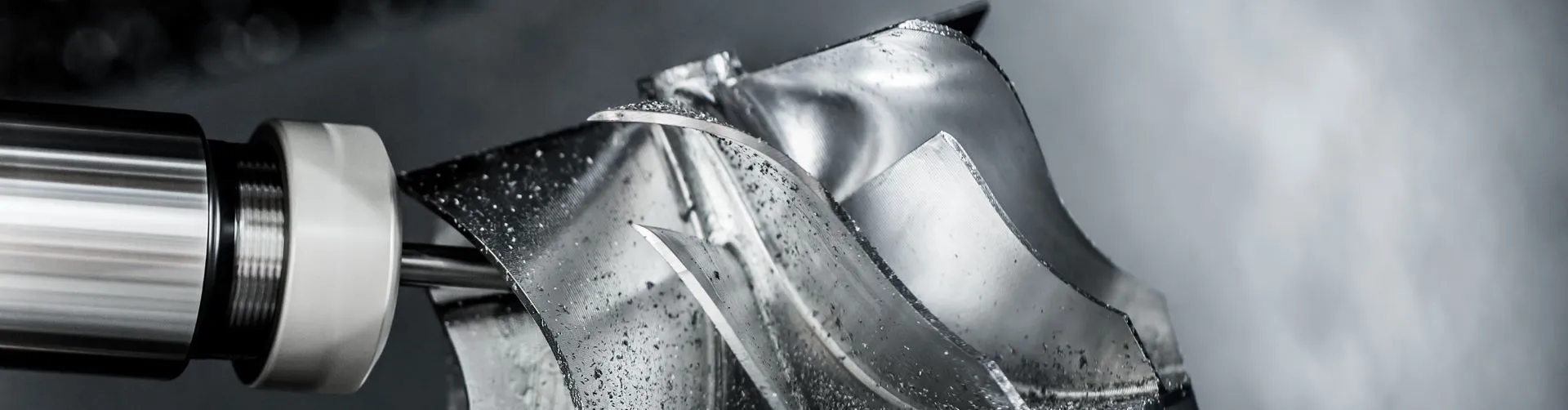


CNC Machining Precision Dental Rotor
Description
Technical Parameters
What is CNC Machining Precision Dental Rotor?
A Microfluidic Electric Rotary Valve is a device used in microfluidic systems to control the flow of fluids at a microscale. It operates electrically and allows for the precise routing of small volumes of fluid through a microfluidic chip or system. The valve typically consists of a rotating part that, when moved by an electric motor, aligns with channels to either permit or restrict fluid flow. This precise control is crucial in applications such as biomedical research, chemical analysis, and lab-on-a-chip technologies, where managing tiny fluid quantities with high accuracy is essential.

| Product name: | CNC Machining Precision Dental Rotor |
| Processing method: | CNC Machined |
Advantages of CNC Machining Precision Dental Rotor:
1.Exceptional Precision: CNC machining ensures precise and consistent dental procedures.
2.Biocompatibility: Dental rotors are safe for contact with oral tissues.
3.Compatibility: They can be used with various dental handpieces and turbines.
4.Smooth Operation: CNC machining results in quiet and smooth rotor operation.
5.Durability: Dental rotors are built to last, reducing the need for frequent replacements.

CNC Machining Precision Dental Rotor are made through the following process:
Design and CAD Modeling: The process begins with the design phase, where dental engineers create detailed CAD (Computer-Aided Design) models of the dental rotor. These models specify dimensions, tolerances, and other critical parameters.
Material Selection: The choice of materials is critical and depends on factors such as biocompatibility, strength, and durability. Common materials include stainless steel and medical-grade alloys.
Raw Material Preparation: The selected material is prepared in the form of billets or bars, which are suitable for CNC machining. This may involve cutting and shaping the raw material to the required size and shape.
CNC Machining: The heart of the manufacturing process is CNC machining. CNC machines are programmed with the CAD models and precise machining instructions. CNC machining includes operations such as milling, turning, drilling, and grinding to shape the raw material into the final dental rotor form.
Quality Control: Throughout the CNC machining process, rigorous quality control measures are in place to ensure that the dimensions, tolerances, and surface finishes meet the specified requirements. This includes the use of precision measuring instruments and inspections at various stages.
Surface Treatment: Depending on the application, the dental rotor may undergo surface treatments such as heat treatment, polishing, or coatings to enhance its mechanical properties, corrosion resistance, and aesthetics.

Our Factory


Our Certificate

Delivery

Hot Tags: cnc machining precision dental rotor, China, manufacturers, suppliers, factory, wholesale, customized, made in China
Previous
Dental Turbine RotorSend Inquiry


