



Check Valves
Description
Technical Parameters
What is Check Valves?
Check valves, also known as non-return valves or one-way valves, are a type of valve that allows fluids (like gases or liquids) to flow through it in only one direction. They are commonly used in various types of piping systems to prevent backflow, which is the undesirable reverse flow of fluids.

| Product name: | Check Valves |
| Processing method: | CNC Machined |
Advantages of Check Valves:
1.Backflow Prevention: They effectively prevent reverse fluid flow, protecting systems from contamination and damage.
2.Automatic Operation: Check valves operate autonomously, opening and closing with fluid flow direction, which simplifies system design.
3.Low Maintenance: Due to their straightforward design, these valves require minimal upkeep, enhancing system reliability.
4.Versatile Applications: Available in various designs, check valves are adaptable for a wide range of systems and fluid types.
5.Compact and Cost-Effective: Their compact size allows easy integration into space-constrained systems, and they are generally economical.

Check Valves are made through the following process:
Design and Engineering: The process begins with designing the valve using CAD (Computer-Aided Design) software. This stage involves deciding on the size, material, and type of check valve (such as swing, ball, or lift) based on its intended application.
Material Selection: Materials are chosen based on the valve's application, environment, and the type of fluid it will control. Common materials include stainless steel, brass, PVC, and other metals or plastics, each offering different benefits in terms of strength, corrosion resistance, and compatibility with various fluids.
Casting or Forging: The valve body is typically created through casting or forging. Casting involves pouring molten metal into a mold, while forging involves shaping metal using compressive force. The chosen method depends on the material and the specific requirements of the valve.
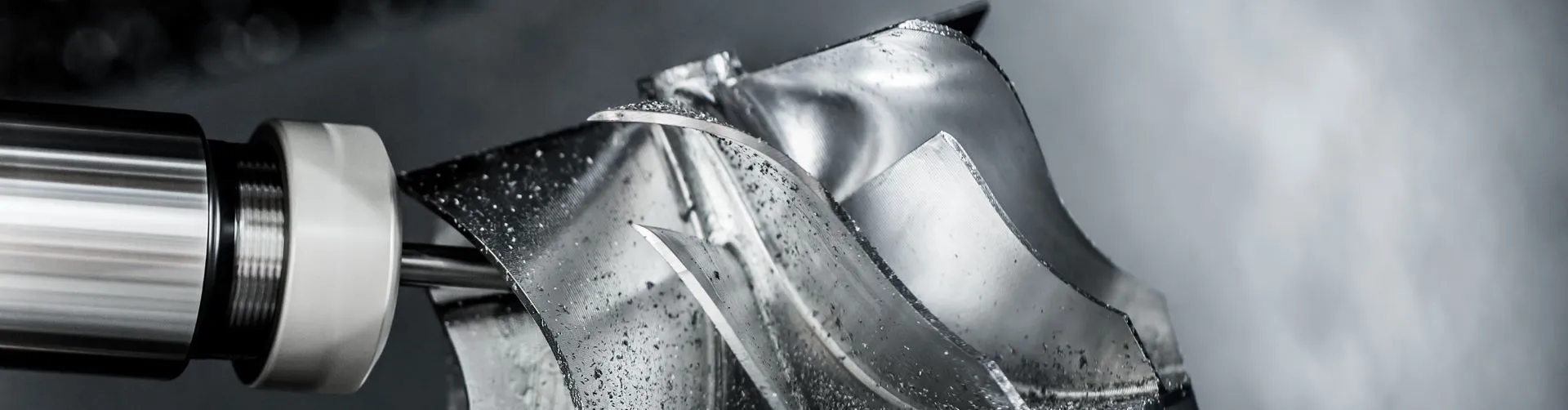
Machining: After casting or forging, the valve components are machined to achieve the precise dimensions and tolerances needed for optimal performance. This process often uses CNC (Computer Numerical Control) machines for high precision.
Assembly: Individual components of the check valve, like the body, disc, hinge pin, and seat, are assembled. This step might include installing springs or other mechanisms, depending on the valve design.
Testing and Quality Control: Assembled check valves undergo rigorous testing to ensure they open and close correctly and withstand the pressures and temperatures they will encounter in service. Quality control checks are critical to ensure reliability and safety.
Finishing and Coating: Finally, the valves may receive finishing touches, such as coatings or treatments to improve corrosion resistance, reduce wear, or meet other specific requirements.

Our Factory


Our Certificate

Delivery

Hot Tags: check valves, China, manufacturers, suppliers, factory, wholesale, customized, made in China
Previous
CNC Machined Camera Lens HousingNext
Flow RestrictorsSend Inquiry


