

Flow Restrictors
Description
Technical Parameters
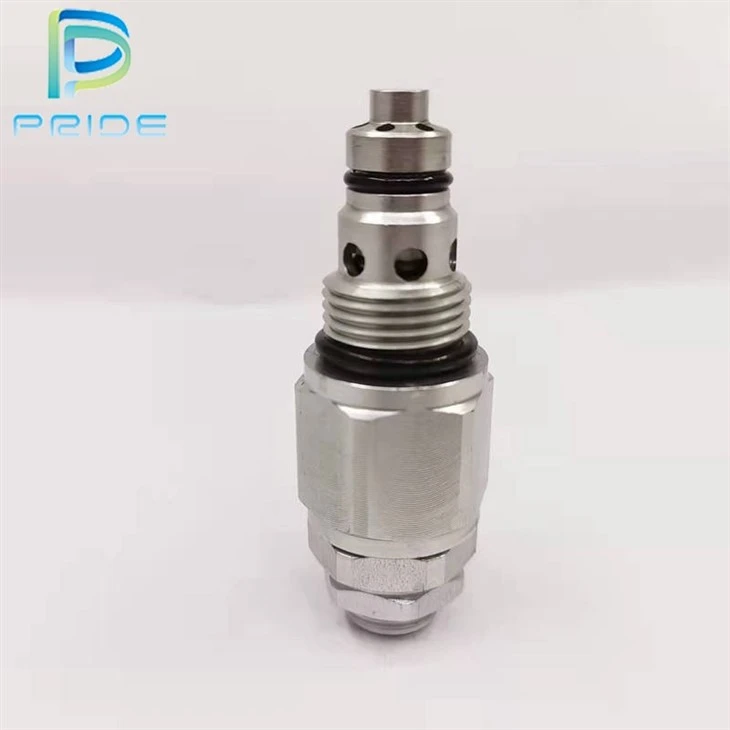
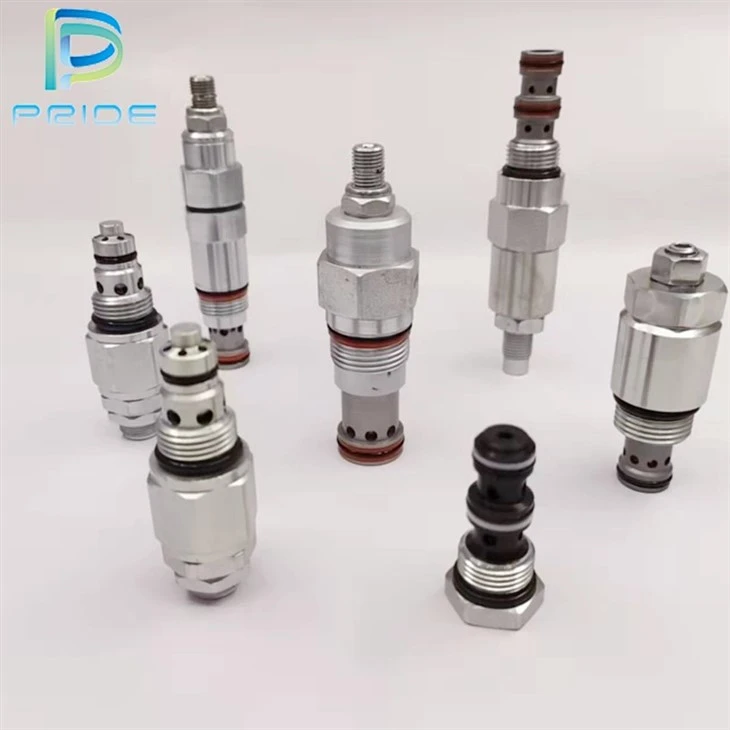
What is Flow Restrictors?
Flow restrictors are devices used to control the flow rate of fluids (liquids or gases) in various systems. They work by constricting or reducing the flow passage, thereby limiting the amount of fluid that can pass through at any given time. This control of flow rate is crucial in many applications, such as in hydraulic or pneumatic systems, water-saving devices, medical equipment, and in controlling the speed of actuators.
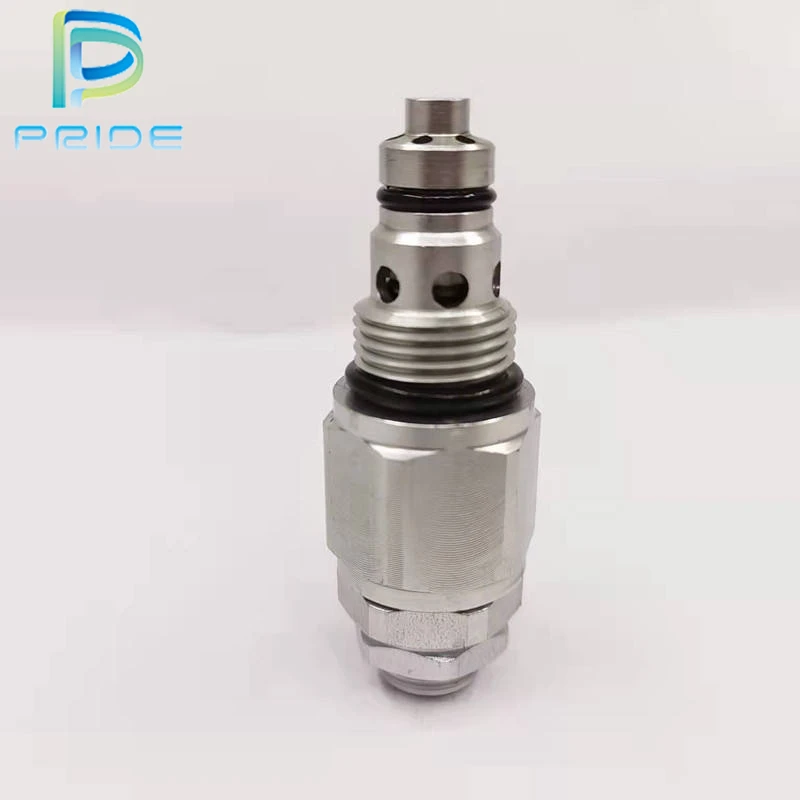
| Product name: | Flow Restrictors |
| Processing method: | CNC Machined |
Advantages of Flow Restrictors:
1.Precision Fluid Control: Ensures accurate control of coolant or lubricant flow, crucial for maintaining machining quality and tool longevity.
2.Improved Tool Life: Regulating cooling and lubrication reduces tool wear, significantly extending tool life.
3.Consistent Machining Processes: Guarantees uniform treatment across all machining steps, leading to higher product quality and lower scrap rates.
4.Energy Efficiency: Minimizes fluid waste, reducing energy consumption and operational costs.
5.Reduced Environmental Impact: Precise fluid management lessens the wastage of coolants and lubricants, thereby minimizing ecological effects.
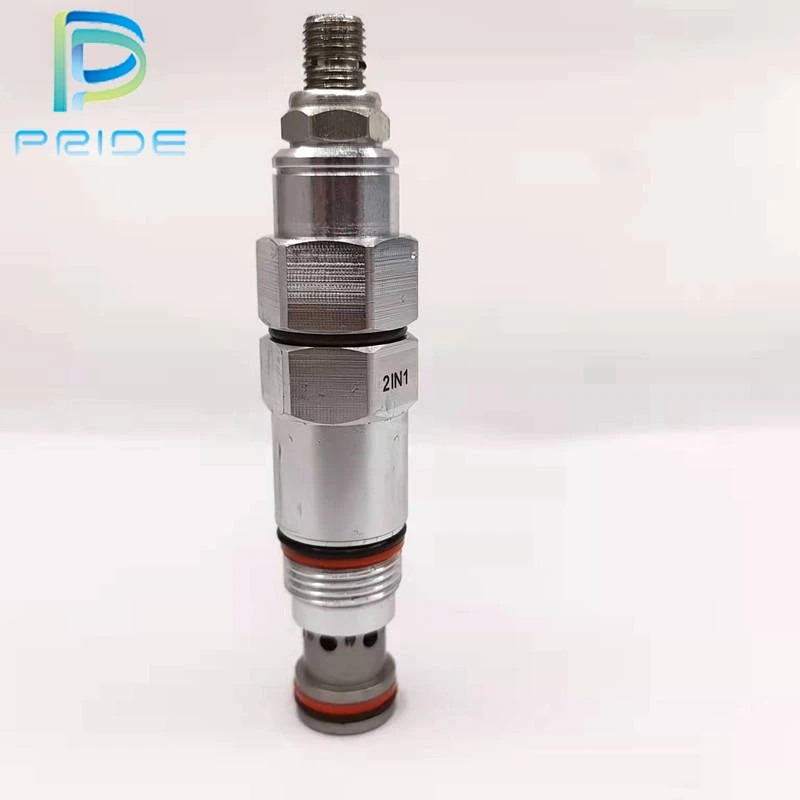
Flow Restrictors are made through the following process:
Design and Engineering: The process starts with the detailed design of the flow restrictor, often using CAD (Computer-Aided Design) software. This stage involves specifying dimensions, materials, and the desired flow characteristics.
Material Selection: Choosing the right material is crucial. Materials commonly used for flow restrictors include various metals, plastics, or ceramics, selected based on factors like strength, corrosion resistance, compatibility with fluids, and operating temperature ranges.
CNC Machining: The primary manufacturing method for many flow restrictors is CNC machining. This process involves using computer-controlled machine tools to accurately shape the material into the desired form. Operations like milling, turning, and drilling are common.
Finishing Processes: After machining, flow restrictors often undergo finishing processes. This can include surface treatments like anodizing, plating, or polishing to enhance corrosion resistance, surface hardness, or aesthetic appearance.
Quality Control and Testing: Ensuring the precision and functionality of the flow restrictor is critical. This stage involves rigorous testing for flow characteristics, pressure handling, and overall durability.
Our Factory


Our Certificate

Delivery

Hot Tags: flow restrictors, China, manufacturers, suppliers, factory, wholesale, customized, made in China
Previous
Check ValvesSend Inquiry