
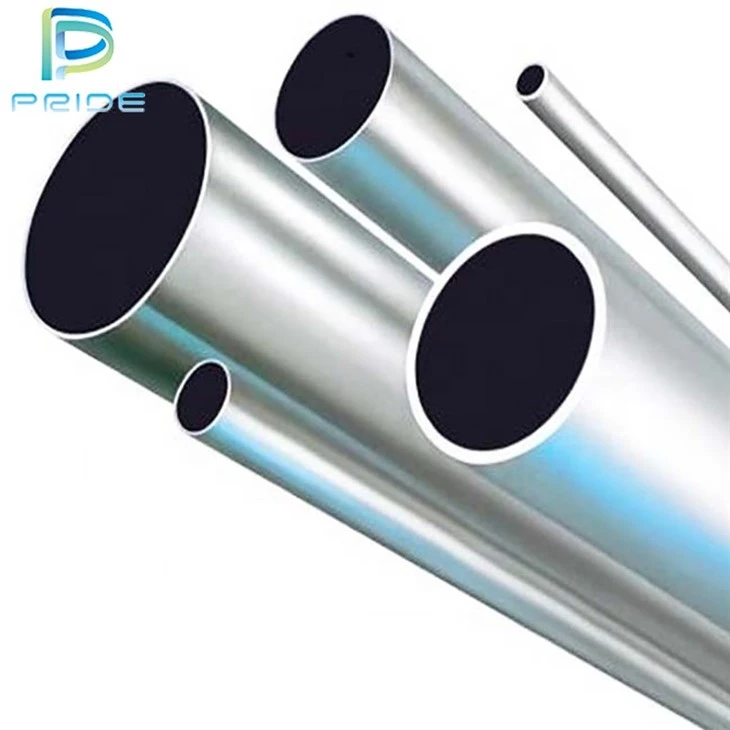
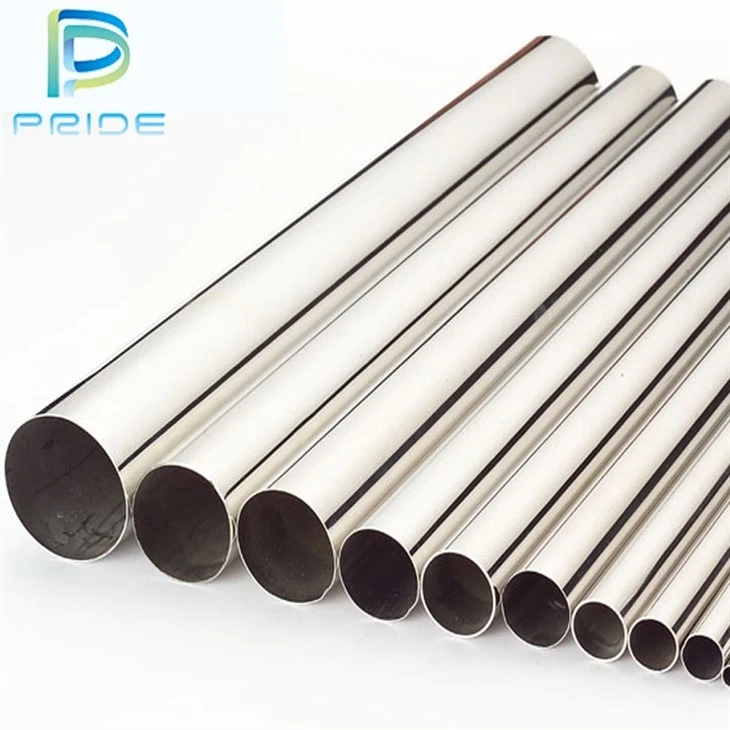
Medical Grade NiTi Tube
Description
Technical Parameters
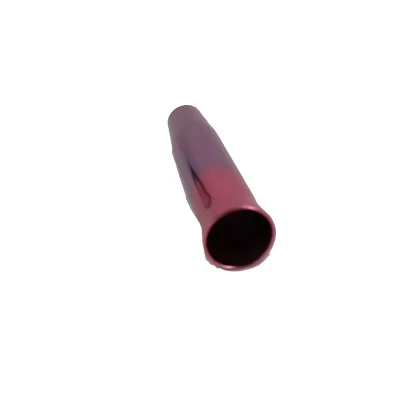
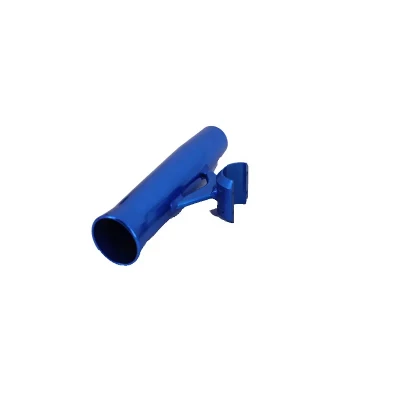
What is Medical Grade NiTi Tube?
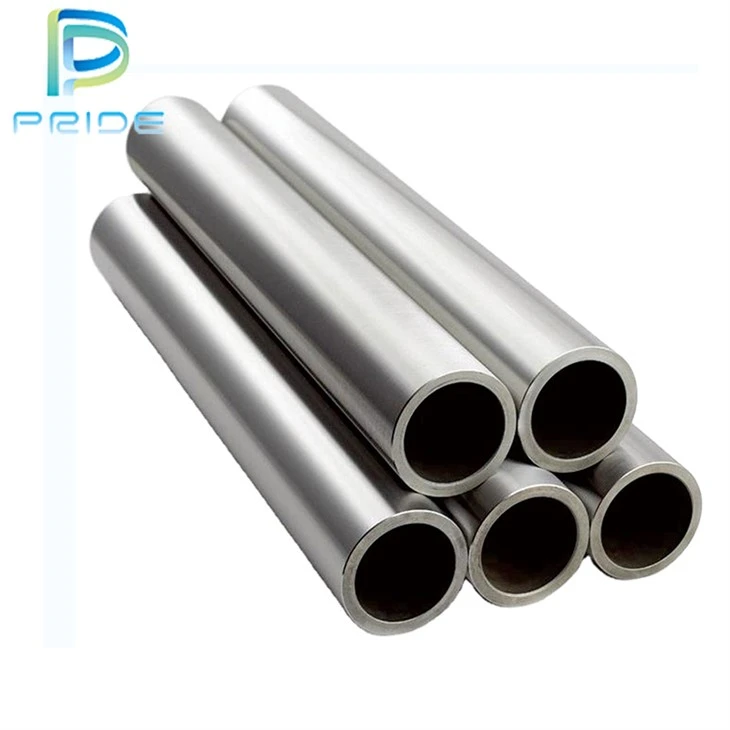
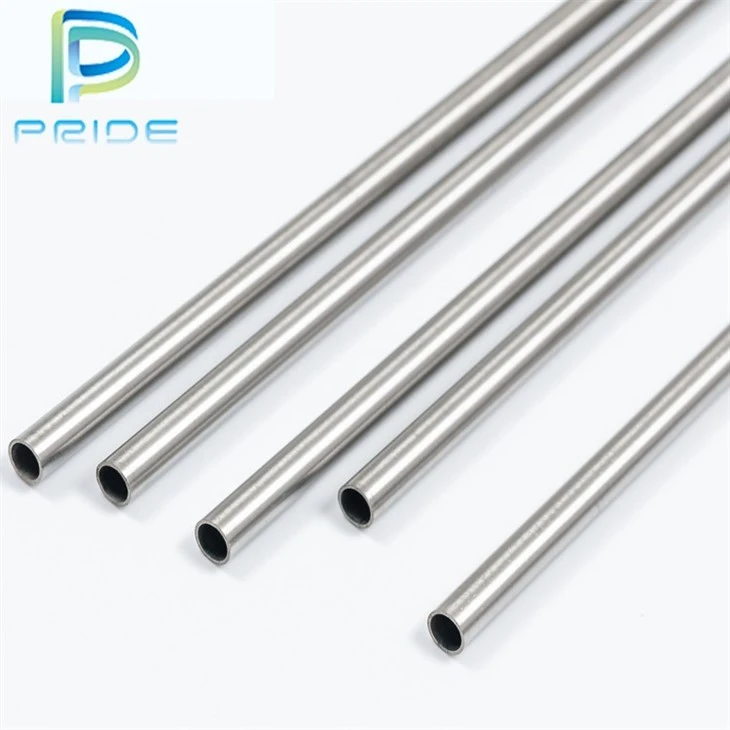
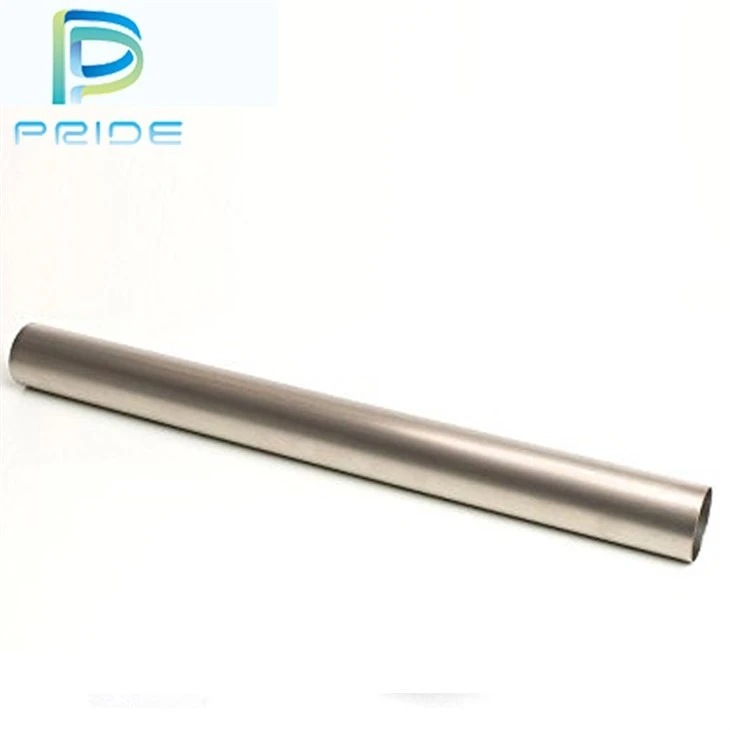
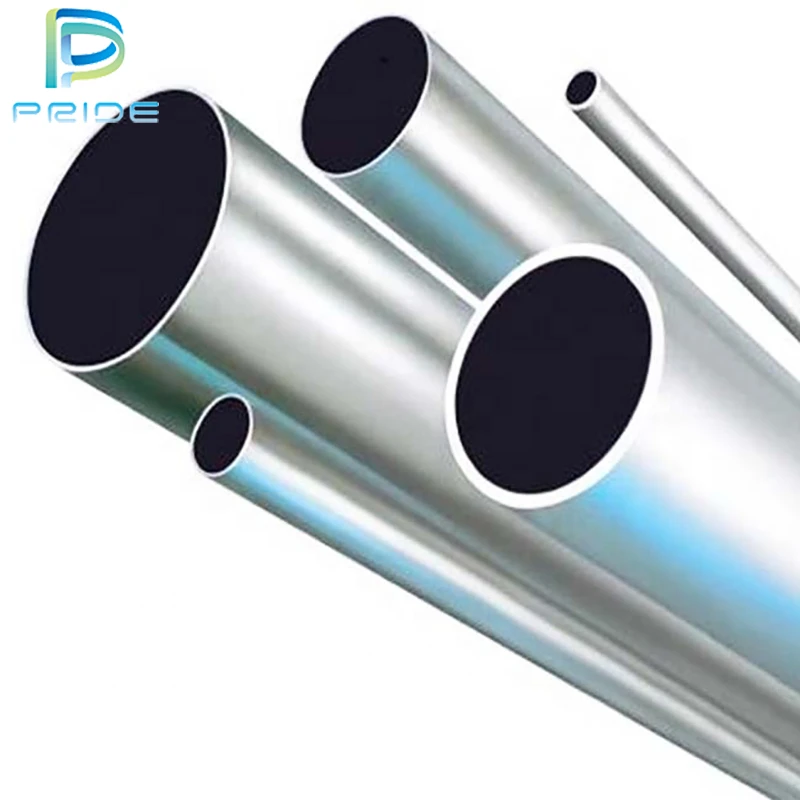
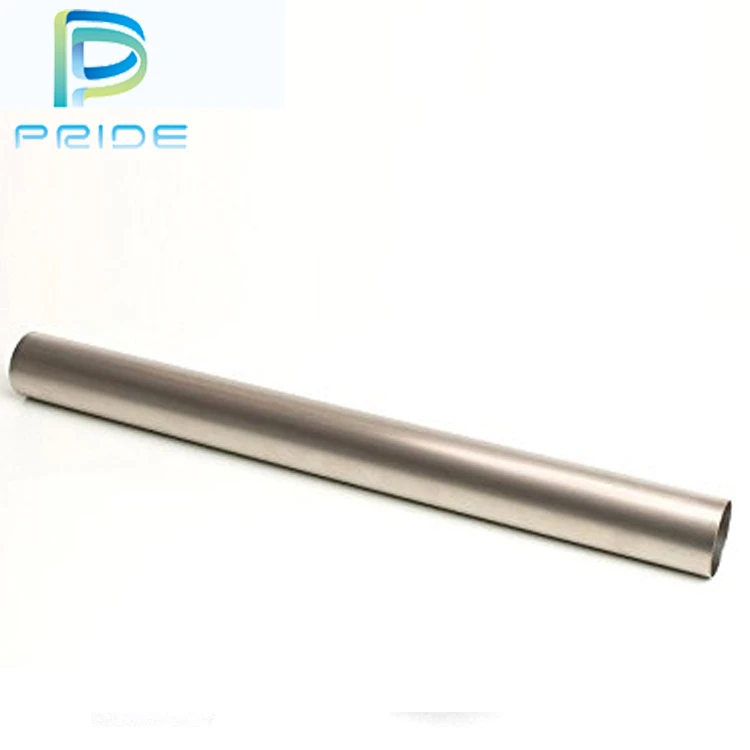
Medical grade NiTi tubes are predominantly used in the manufacturing of various medical devices like vascular stents, orthopedic implants, dental braces, endodontic files, and other surgical instruments. Their unique properties make them an integral material in the medical field, offering innovative solutions to complex medical challenges.
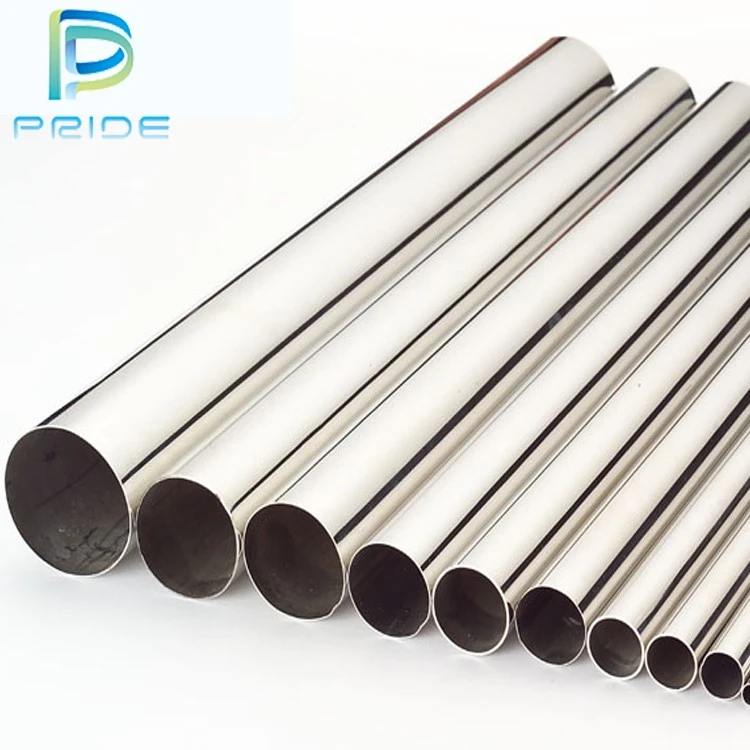
product specifications
| Outer Diameter Range(mm) | Outer Diameter Tolerance(mm) | Inner Diameter Tolerance(mm) | Wall Thickness Range(mm) | Wall Thickness Tolerance(mm) | Inner Surface Condition | Outer Surface Condition |
| 0.18 | ±0.002 | ±0.005 | 0.020≤WT≤0.12 | ±0.003 | Clean State Oxidation State |
Oxidation State Grinding State |
| 0.5 | ±0.005 | ±0.008 | 0.025≤WT≤0.30 | ±0.005 | ||
| 1.0 | ±0.010 | ±0.010 | 0.025≤WT≤0.40 | ±0.008 | ||
| 3.0 | ±0.010 | ±0.015 | 0.05≤WT≤1.05 | ±0.008 | ||
| 6.0 | ±0.015 | ±0.020 | 0.07≤WT≤2.00 | ±0.010 | ||
| 9.0 | ±0.020 | ±0.020 | 0.10≤WT≤2.00 | ±0.010 | ||
| 12.0 | ±0.020 | ±0.030 | 0.10≤WT≤3.00 | ±0.010 |
Advantages of Medical Grade NiTi Tube:
1.Biocompatibility: Safe for use in the human body without adverse reactions, ideal for implants and medical devices.
2.Shape Memory Effect: Ability to return to a predefined shape after deformation, useful for minimally invasive medical procedures.
3.Superelasticity: Capable of enduring significant deformations without permanent damage, essential for flexible medical applications.
4.Corrosion Resistance: High resistance to corrosion, crucial for long-term implantation and exposure to bodily fluids.
5.MRI Compatibility: Non-ferromagnetic nature makes them safe for patients requiring MRI scans, avoiding interference with imaging.
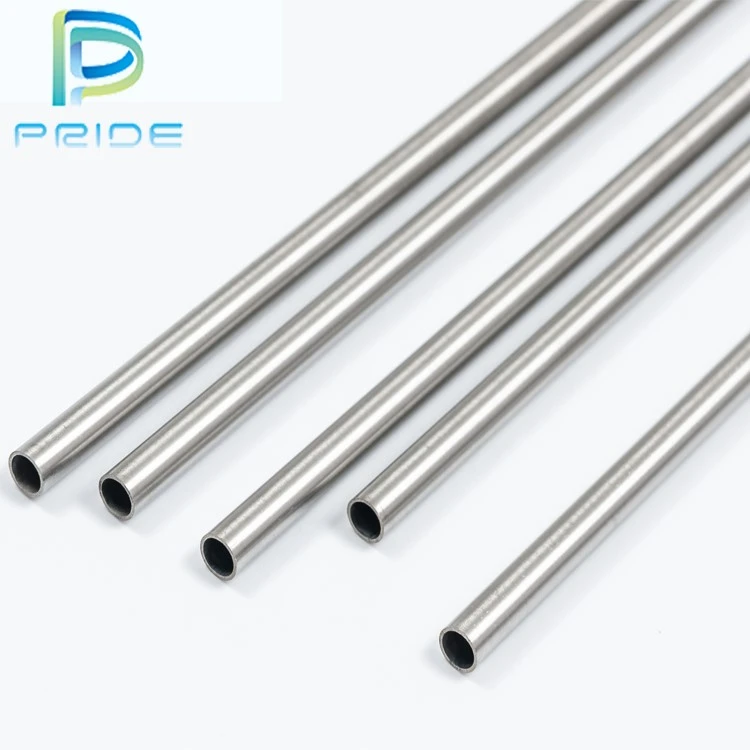
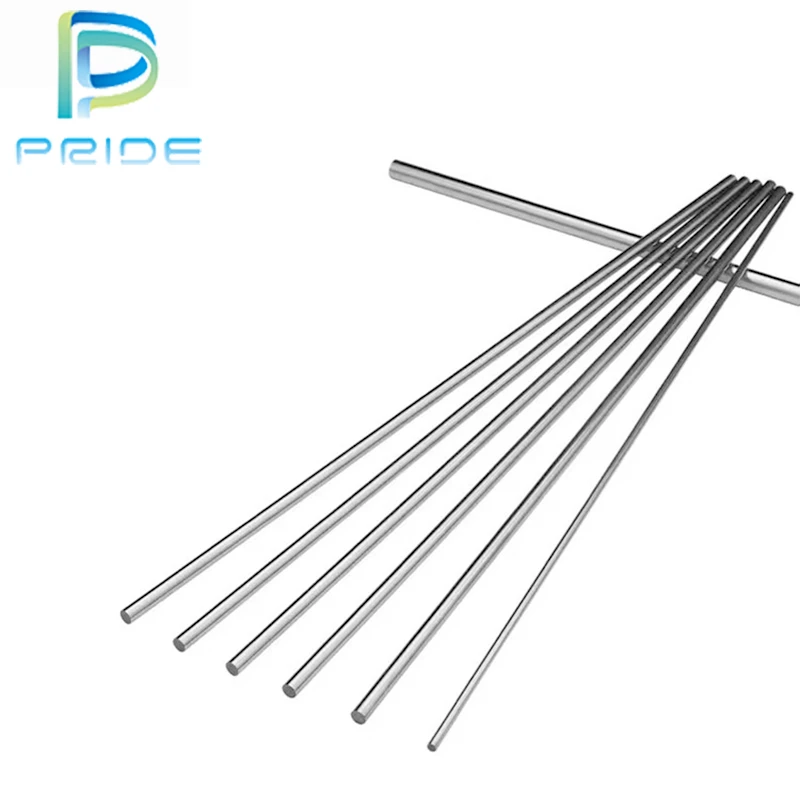
Medical Grade NiTi Tube are made through the following process:
Raw Material Preparation: The process begins with the preparation of the raw materials, nickel and titanium, which are carefully proportioned to achieve the desired NiTi alloy composition.
Melting and Alloying: The materials are melted and alloyed in a controlled environment, often using techniques like vacuum induction melting or arc melting, to ensure purity and homogeneity of the alloy.
Primary Forming: The molten alloy is cast into an ingot, which is then subjected to primary forming processes such as forging or rolling to produce a workable billet.
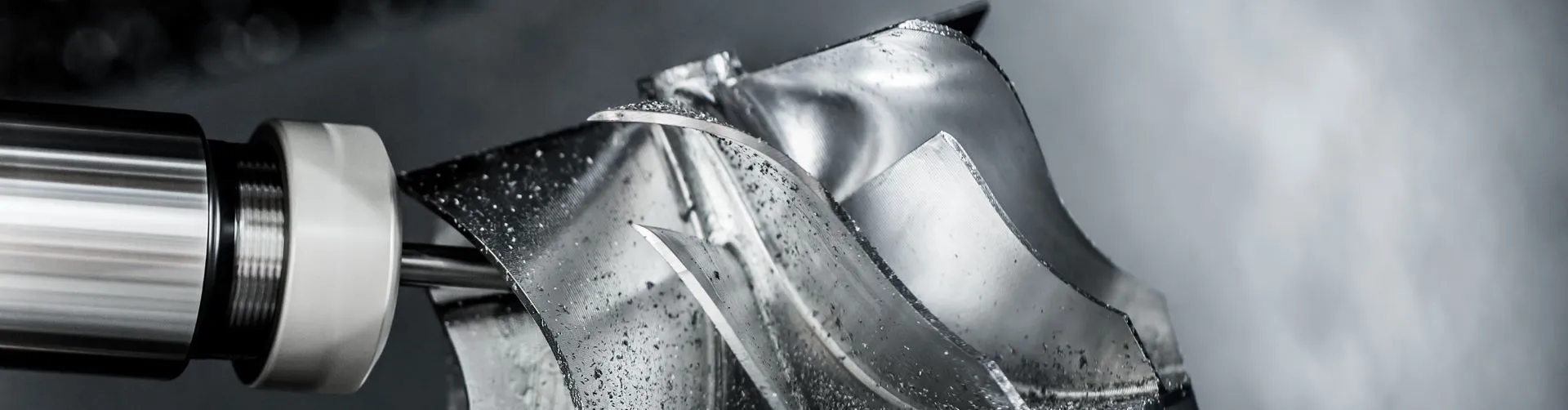
Tube Drawing: The billet is then drawn through dies to reduce its diameter and increase its length, gradually forming a tube. This process may involve several stages of drawing with intermediate annealings.
Annealing: Annealing treatments are applied to adjust the microstructure of the alloy, which is critical for obtaining the desired shape memory and superelastic properties.
Surface Treatment: The tubes undergo surface treatments to improve their biocompatibility and corrosion resistance. This might include processes like electropolishing, passivation, or applying surface coatings.
Precision Cutting and Shaping: The tubes are then cut to specific lengths and may be further shaped or processed depending on the application requirements (e.g., bending, flaring).
Quality Control and Testing: Rigorous quality control and testing are performed throughout the manufacturing process. This includes checking the chemical composition, mechanical properties, and ensuring the biocompatibility of the tubes.
Sterilization (if applicable): Before being shipped for medical use, the tubes may be sterilized or prepared for sterilization based on the requirements of their intended application.
Each of these steps is critical in ensuring that the medical grade NiTi tubes meet the stringent standards required for medical applications, both in terms of their physical properties and their safety for use in the human body.
Our Factory


Our Certificate

Delivery

Hot Tags: medical grade niti tube, China, manufacturers, suppliers, factory, wholesale, customized, made in China
Send Inquiry
You Might Also Like