



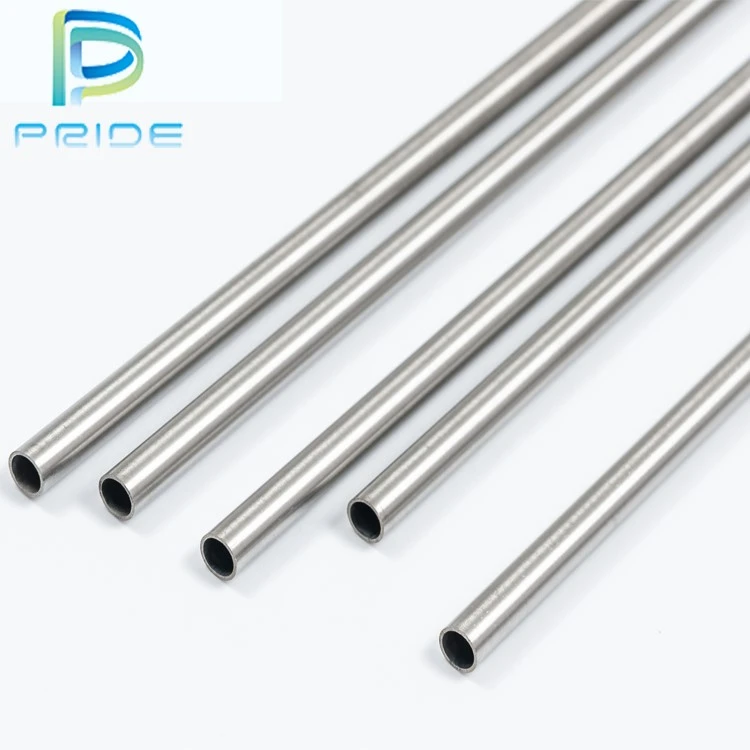
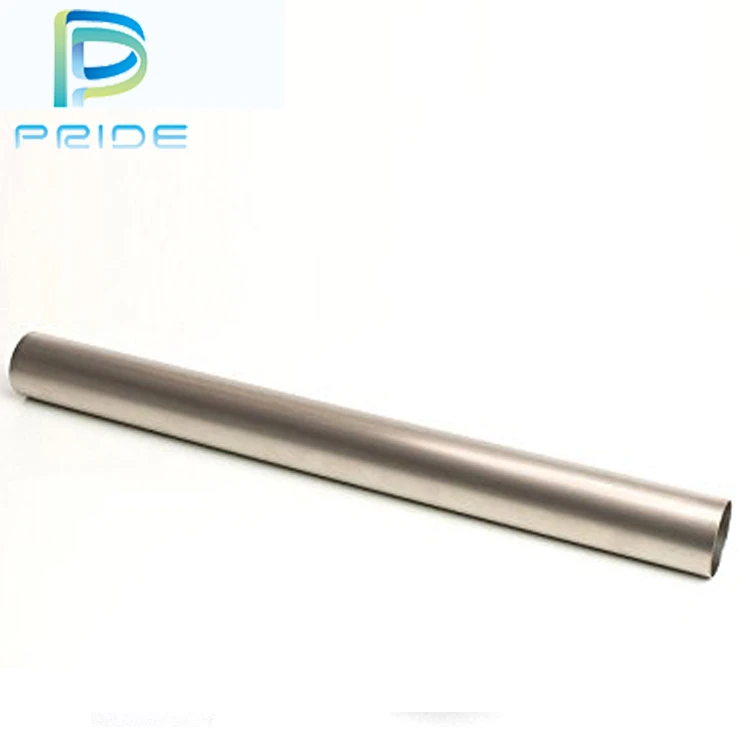
Medical Grade NiTi TubeNiTi Tube
Description
Technical Parameters
What is NiTi tube?
NiTi tube refers to a tube made from a Nickel-Titanium alloy, commonly known as Nitinol. This alloy is notable for two key properties: shape memory and superelasticity.
Shape Memory: NiTi tube has the ability to return to a predetermined shape when heated above a certain temperature. This property is known as the shape memory effect. It's useful in applications where a material needs to change shape in response to temperature changes or recover its original form after deformation.
Superelasticity: Also known as pseudoelasticity, this property allows the NiTi tube to undergo substantial deformation but return to its original shape upon the removal of stress. This feature is particularly useful in medical devices like stents and orthodontic wires.
Biocompatibility: NiTi tubes are biocompatible, making them suitable for medical applications, especially those involving implants or devices that are in direct contact with the human body.
Corrosion Resistance: The alloy offers excellent resistance to corrosion, which is vital for long-term applications and durability, particularly in the human body or harsh environments.
NiTi tubes are a product of advanced material science and engineering, offering a combination of mechanical and physical properties that are not found in most other metal alloys.

product specifications

Applications of NiTi tube:
1.Medical Devices: Used in stents, orthodontic wires, and surgical tools.
2.Aerospace and Aviation: Employed in actuators and vibration damping systems.
3.Automotive Industry: Utilized in temperature-responsive actuators and connectors.
4.Consumer Electronics: Applied in flexible components for portable devices.
5..Robotics: Used as artificial muscles or actuators in robotic applications.
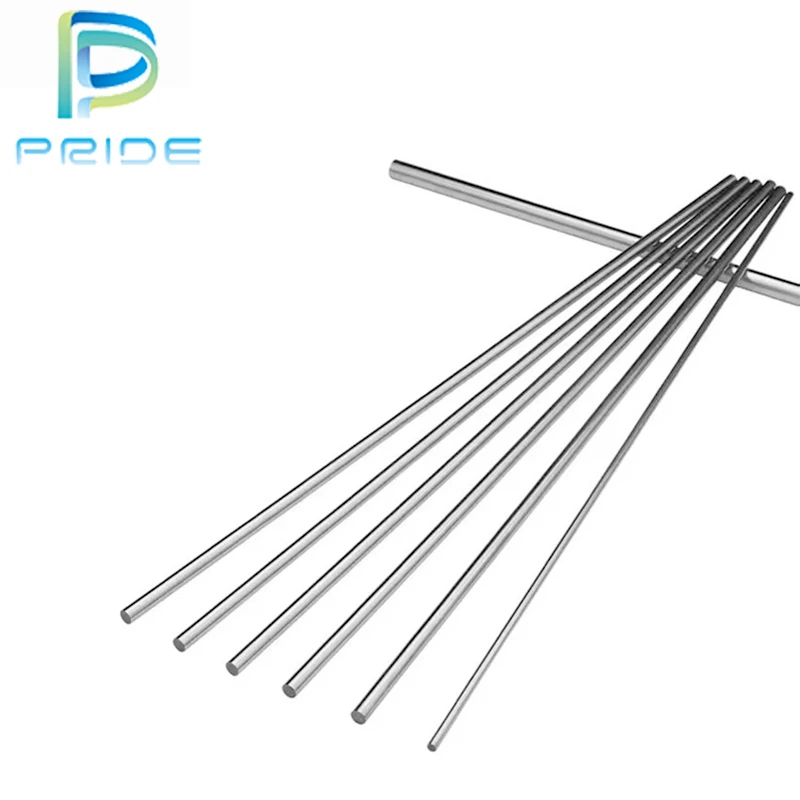
NiTi tube are made through the following process:
Alloying: The process starts with creating the NiTi alloy, which is a critical step. Nickel and Titanium, often in nearly equal atomic percent, are combined. The precise ratio determines the final properties of the alloy. This alloying is typically done using vacuum induction melting to ensure purity and homogeneity, as any impurities can significantly affect the alloy's performance.
Casting: The molten alloy is poured into molds to form ingots. This step is crucial for establishing the basic material structure. The cooling rate during casting can influence the microstructure of the alloy.
Primary Forming: The ingots undergo primary forming processes like hot or cold working. This might include forging or rolling, which transforms the ingots into workable billets. The process chosen and the conditions under which it is performed (like temperature and deformation rate) are key to determining the material's final properties.
Tube Drawing: The billets are then drawn through a series of dies to reduce their diameter and form tubes. This tube drawing process is often done in multiple stages, with each stage reducing the tube's size further. Between stages, the tubes may be annealed (heated and then cooled) to relieve stresses and adjust the material structure for the next drawing step.
Annealing: Annealing is a critical process in setting the shape memory and superelastic properties of NiTi tubes. The tubes are heated to a specific temperature and then cooled. The annealing temperature, time, and cooling rate are carefully controlled to achieve the desired phase structure and mechanical properties.
Surface Finishing: After the tubes reach their final size, they undergo surface finishing. This can include grinding, polishing, or electropolishing. These processes improve the surface quality of the tubes, removing imperfections and ensuring smoothness, which is particularly important for medical applications.
Cutting and Shaping: The tubes are then cut to the required lengths and may undergo further shaping or processing. This might involve bending, flaring, or other forms of mechanical manipulation, depending on the application.
Quality Control: Quality control is integral throughout the manufacturing process. This includes inspections for dimensional accuracy, material composition, mechanical properties, and surface quality. For medical applications, ensuring biocompatibility and meeting stringent industry standards is also crucial.
Each stage in the manufacturing process of NiTi tubes is carefully controlled and monitored. The precision in these processes is what imparts the NiTi tubes with their unique properties, making them suitable for a wide range of applications, especially where high performance under demanding conditions is required.
Our Factory


Our Certificate

Delivery

Hot Tags: medical grade niti tubeniti tube, China, manufacturers, suppliers, factory, wholesale, customized, made in China
Previous
No InformationSend Inquiry
You Might Also Like

