



Expert CNC Bronze Machining Services
At Pride, we specialize in CNC machining for bronze parts, offering both reliability and precision. Our facility, certified with ISO 9001 and ISO 13485, is equipped to handle everything from quick prototypes to large production runs, ensuring excellent quality throughout.
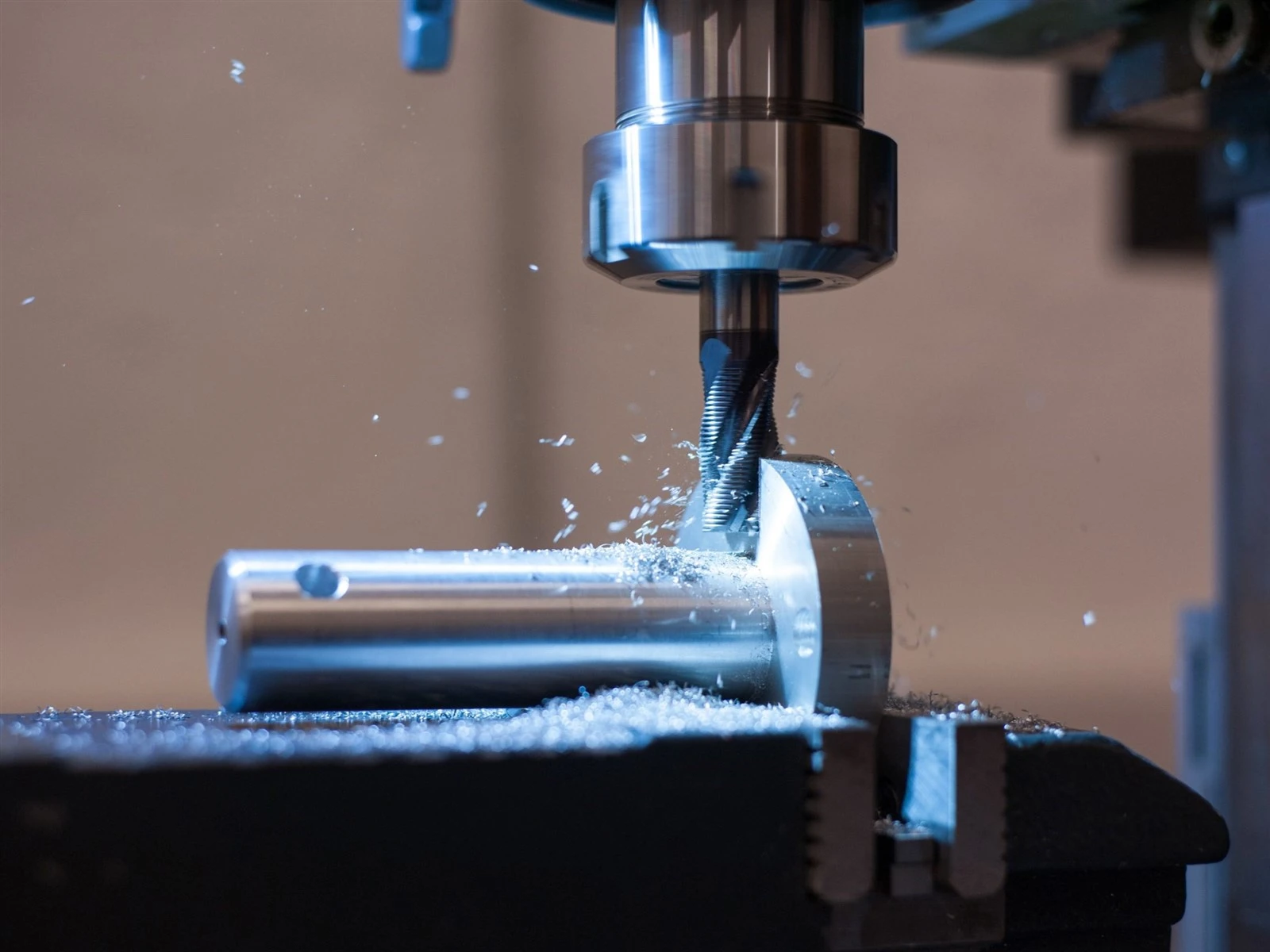
Our experienced team excels in a variety of CNC processes, including milling, turning, and lathe work, all tailored to your project’s needs. Whether it’s a one-off prototype or high-volume parts, we get the job done accurately and efficiently.
With competitive pricing, fast turnarounds, and personalized support, Pride makes sure your project runs smoothly from start to finish. Whatever your CNC bronze machining requirements, we’ve got you covered.
|
Specification |
Tolerances |
Wall Thickness |
Minimum Machining Diameter |
Max Part Size |
Lead Time |
|
Details |
±0.005 inches (±0.127 mm), depending on bronze type. |
Minimum of 0.012 inches (0.3 mm), subject to material and design constraints. |
0.031 inches (0.8 mm), allowing for high-precision machining. |
Up to 2000 x 800 x 1000 mm, adaptable for various machining needs. |
As fast as 5 days for common bronze materials, varying based on complexity and location. |
Custom Bronze CNC Machining Services

Bronze CNC Milling
Our 3-axis, 4-axis, and 5-axis machining achieves ±0.01mm tolerances, delivering high-precision parts from simple shapes to intricate designs.

Bronze CNC Turning
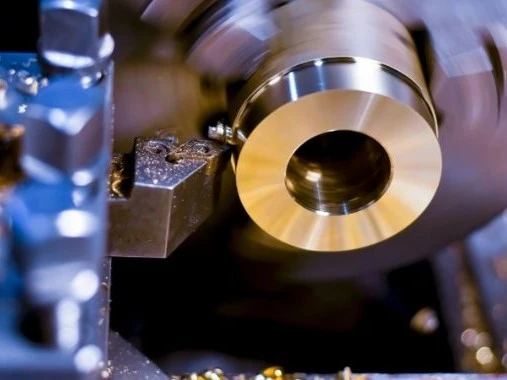
With live tooling capabilities, we seamlessly combine lathe and milling processes to produce precise cylindrical components, even for complex designs.

CNC Drilling and Tapping
Our CNC machines feature advanced drilling and tapping, allowing precise holes, threads, and details in Cast Iron parts for optimal functionality.

Surface Finishing Services
Enhance the durability and aesthetics of your parts with our range of finishes, including anodizing, sandblasting, powder coating, and plating, tailored to your specific needs.
About The Material – Bronze
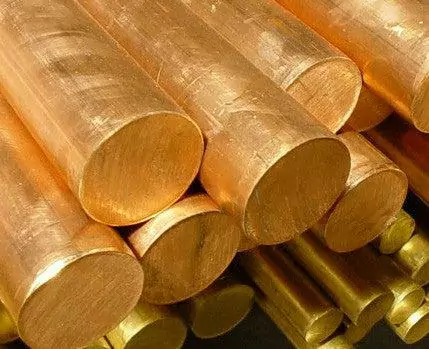
Bronze is renowned for its durability and corrosion resistance, making it a popular choice in CNC machining. It is primarily composed of copper, with additional elements like tin, aluminum, or phosphorus, which enhance its strength, wear resistance, and machinability. These unique properties make bronze ideal for parts that need to withstand high friction or harsh environments, such as marine components, bearings, and gears.
What sets bronze apart is its workability. Despite its strength, it’s easy to machine, allowing for the creation of intricate and complex designs without sacrificing structural integrity. This makes bronze the go-to material in industries like automotive, aerospace, and manufacturing, where high-performance parts are critical.
- Corrosion Resistance
- Wear Resistance
- Excellent Machinability
- High Strength
- High Durability
Common Bronze Alloys for CNC Machining
Bronze alloys are a staple in CNC machining, known for their remarkable strength, resistance to corrosion, and impressive machinability. Primarily composed of copper, these alloys are enhanced by the addition of elements like tin, aluminum, phosphorus, and silicon. Each type of bronze brings a unique set of properties, making it suitable for various demanding applications. From automotive parts to marine components, bronze alloys offer a versatile solution across industries where durability is key.
Whether you need the strength of aluminum bronze or the wear resistance of phosphor bronze, we offer a range of alloys tailored to meet your specific CNC machining needs. Below, we dive into some of the most common and widely used bronze alloys and explore why they’re chosen for various applications.
Phosphor Bronze (C51000, C51900)
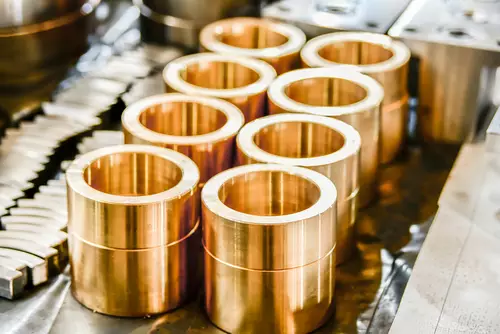
Known for its excellent fatigue strength and wear resistance, phosphor bronze is ideal for high-stress applications. It’s commonly used in electrical connectors, bushings, and springs. The addition of phosphorus not only improves the alloy’s resistance to wear but also enhances its ability to resist corrosion. In environments where both durability and electrical conductivity are required, phosphor bronze delivers superior performance.
Aluminum Bronze (C95400, C63000)
With its superior strength and resistance to corrosion, especially in marine environments, aluminum bronze is highly sought after. The higher aluminum content gives it remarkable tensile strength, making it perfect for high-load applications such as pumps, valves, and marine hardware. In harsh saltwater conditions, aluminum bronze stands out for its ability to resist rust and wear, making it an excellent choice for underwater or chemical processing components.
Tin Bronze (C90500, C90700)
One of the most widely used bronze alloys, tin bronze boasts a balanced combination of strength, corrosion resistance, and machinability. It’s particularly useful for making bearings, bushings, and gears—parts that endure high friction. The presence of tin enhances wear resistance and ensures long-lasting durability in demanding environments. Plus, its ease of machining allows for the production of intricate, precise parts without compromising quality.
Silicon Bronze (C64200, C65000)
Silicon bronze is renowned for its outstanding corrosion resistance, especially in aggressive environments. Whether it’s chemical processing or marine applications, this alloy performs well under stress. Known for being resistant to stress corrosion cracking, silicon bronze is also valued for its excellent weldability. It’s frequently used in architectural elements and sculptures, as well as components exposed to corrosive chemicals.
Manganese Bronze (C86300, C86350)
Manganese bronze is prized for its high strength, durability, and resistance to wear. Often used in the production of gears, pump shafts, and marine propellers, this alloy excels in high mechanical stress applications. It’s also highly resistant to seawater corrosion, which makes it indispensable for marine environments. Manganese bronze combines strength with machinability, ensuring that parts retain their integrity in challenging conditions.
Aluminum-Tin Bronze (C63200)
A unique blend of aluminum and tin, this alloy offers exceptional wear resistance and strength. It’s typically used in industrial applications like bearing cages and bushings, where reduced friction and long-term durability are essential. Aluminum-tin bronze is known for its excellent performance under high loads and in environments where corrosion resistance is crucial.
Comparison of Common Bronze Alloys
Bronze alloys are highly regarded for their strength, durability, and resistance to corrosion. These materials are versatile and find use in a variety of applications, from marine and aerospace to automotive and manufacturing. The following table compares several common bronze alloys, highlighting their mechanical properties, corrosion resistance, and machinability to help you choose the right material for your project.
C260 (Commercial Bronze) is widely used for its excellent machinability. This alloy is often chosen for parts like bushings, valves, and fasteners, where moderate strength and easy processing are required. On the other hand, C51000 (Phosphor Bronze) is renowned for its superior wear resistance. It’s ideal for components such as springs and electrical connectors, where both strength and longevity are essential.
When strength is paramount, C95400 (Aluminum Bronze) stands out. This alloy offers exceptional strength and corrosion resistance, especially in harsh environments like seawater. It’s commonly used for marine components and high-stress parts. In contrast, C17200 (Beryllium Bronze), while challenging to machine, provides unmatched strength and conductivity, making it a go-to choice for high-performance applications in aerospace and defense.
For C65500 (Silicon Bronze), corrosion resistance is the key attribute. This alloy performs excellently in marine and industrial environments and is often used in pumps, shafts, and other critical parts. C93200 (Leaded Bronze), with its added lead content, offers great machinability. It’s often chosen for parts that need to withstand friction, such as bearings and bushings, but still require easy processing.
When selecting the right bronze alloy, consider factors like machinability, environmental exposure, and the required strength. Whether you need the ease of machining found in C260 or the toughness of C95400, the right alloy can significantly enhance the performance and longevity of your components.
|
Property |
C260 (Commercial Bronze) |
C51000 (Phosphor Bronze) |
C95400 (Aluminum Bronze) |
C17200 (Beryllium Bronze) |
C65500 (Silicon Bronze) |
C93200 (Leaded Bronze) |
|
Hardness (Vickers) |
80 |
170 |
180 |
360 |
130 |
100 |
|
Tensile Strength (Ultimate) |
350 MPa |
900 MPa |
1,000 MPa |
1,300 MPa |
750 MPa |
400 MPa |
|
Tensile Strength (Yield) |
220 MPa |
690 MPa |
800 MPa |
1,150 MPa |
600 MPa |
250 MPa |
|
Elongation at Break |
40% |
35% |
20% |
10% |
40% |
50% |
|
Modulus of Elasticity |
110 GPa |
125 GPa |
120 GPa |
150 GPa |
130 GPa |
100 GPa |
|
Corrosion Resistance |
Good |
Excellent |
Excellent |
Excellent |
Very Good |
Good |
|
Machinability |
Excellent |
Good |
Moderate |
Poor |
Excellent |
Excellent |
Explanation of Added Data:
- Hardness (Vickers): This measures the material’s resistance to surface wear and deformation. Alloys with higher hardness, such as C17200 (Beryllium Bronze), offer greater durability and are suited for high-wear environments. These alloys are often used in demanding applications where resistance to scratches and surface damage is critical.
- Tensile Strength (Ultimate): Tensile strength reflects how much stress a material can endure before breaking. Higher values, like those of C95400 (Aluminum Bronze), indicate stronger alloys that are suitable for applications where high loads or stresses are expected. These materials are perfect for structural and high-performance components.
- Tensile Strength (Yield): The yield strength indicates the stress at which permanent deformation occurs. Alloys like C51000 (Phosphor Bronze) and C17200 (Beryllium Bronze) have higher yield strengths, making them ideal for parts that must maintain their shape under significant stress.
- Elongation at Break: This property tells us how much a material can stretch before breaking. C93200 (Leaded Bronze), with its higher elongation at break, offers better ductility, making it easier to form and shape without cracking. This is particularly useful in applications where flexibility is needed.
- Modulus of Elasticity: This value shows how stiff the material is. A higher modulus means the material is less likely to bend under load. Beryllium Bronze, with its high modulus, is perfect for components that need to remain rigid and resist deformation, such as in aerospace or military applications.
- Corrosion Resistance: Bronze alloys are generally known for their resistance to corrosion, but some excel more than others. C95400 (Aluminum Bronze) and C17200 (Beryllium Bronze) are especially well-suited for harsh environments, such as marine settings, where resistance to saltwater corrosion is crucial. C51000 (Phosphor Bronze), with its enhanced corrosion resistance, is ideal for applications where long-term durability is needed.
- Machinability: Machinability refers to how easily an alloy can be shaped or cut. C260 (Commercial Bronze) and C93200 (Leaded Bronze) are both known for their excellent machinability, making them ideal for high-precision parts. However, alloys like C17200 (Beryllium Bronze), though superior in strength, are more challenging to machine due to their hardness.
Pride CNC Machining
Custom Bronze CNC Machining with Finishes to Match Your Needs.
Your Design, Our Expertise.

One-stop Bronze CNC Factory in China
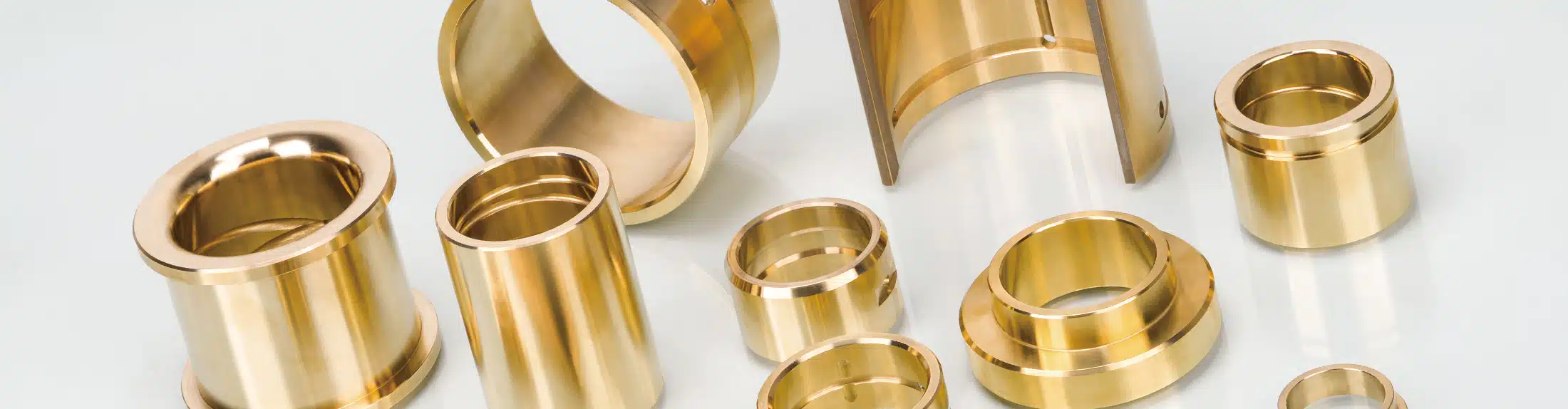
Pride Industrial has 20+ years of CNC machining experience with 0.001mm precision. We offer OEM/ODM solutions, using advanced German and Japanese machines to ensure top qualit.
CNC Machined Common Bronze Applications
Bronze alloys have long been revered for their strength, durability, and resistance to corrosion, making them indispensable in various industries. With their excellent wear resistance and machinability, CNC-machined bronze parts are ideal for applications where performance, longevity, and precision are essential. Whether it’s marine equipment, automotive parts, or industrial machinery, bronze delivers reliability even in the harshest environments.
Marine & Offshore Applications
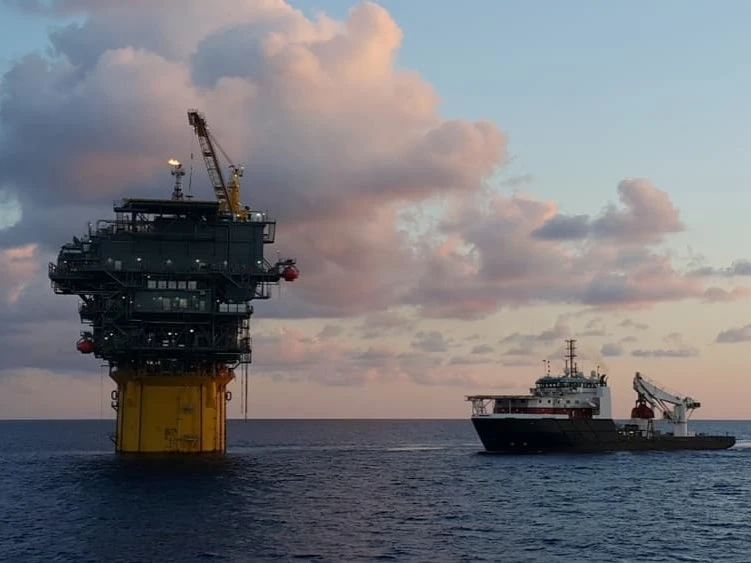
The marine industry relies heavily on bronze for its outstanding resistance to saltwater corrosion. Aluminum bronze and phosphor bronze are commonly used for marine components such as propellers, bushings, and valves. These alloys are known for their strength and durability, particularly in underwater environments. Aluminum bronze, for instance, is highly resistant to seawater corrosion and offers remarkable tensile strength, making it the material of choice for propellers and underwater equipment exposed to the toughest conditions.
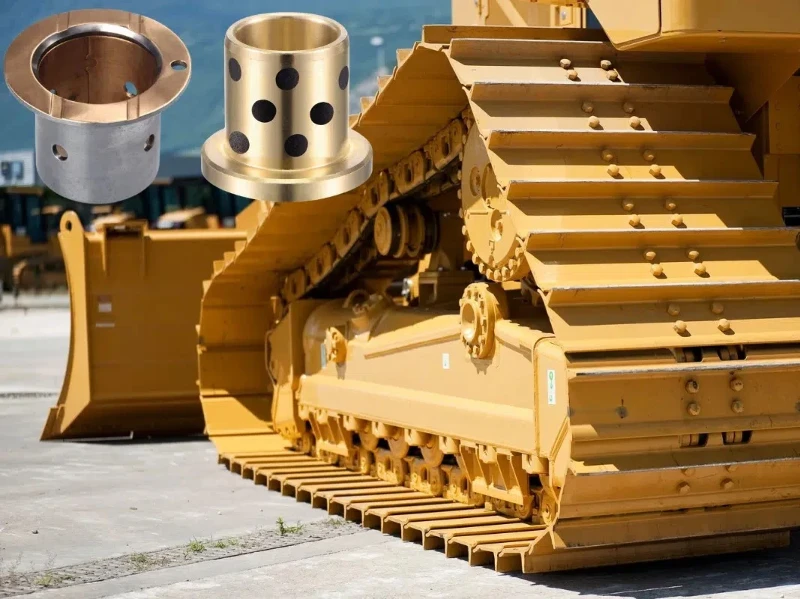
Automotive & Heavy Machinery
In the world of automotive engineering and heavy machinery, bronze alloys are integral to the performance and longevity of critical components. Bronze bearings, bushings, and gears are essential in ensuring smooth operation in high-stress environments. Phosphor bronze, with its exceptional wear resistance, is commonly used for bushings in engine systems, while tin bronze is favored for gears that require durability and the ability to handle heavy loads. These alloys not only enhance performance but also reduce maintenance, ensuring that parts last longer and operate more efficiently.
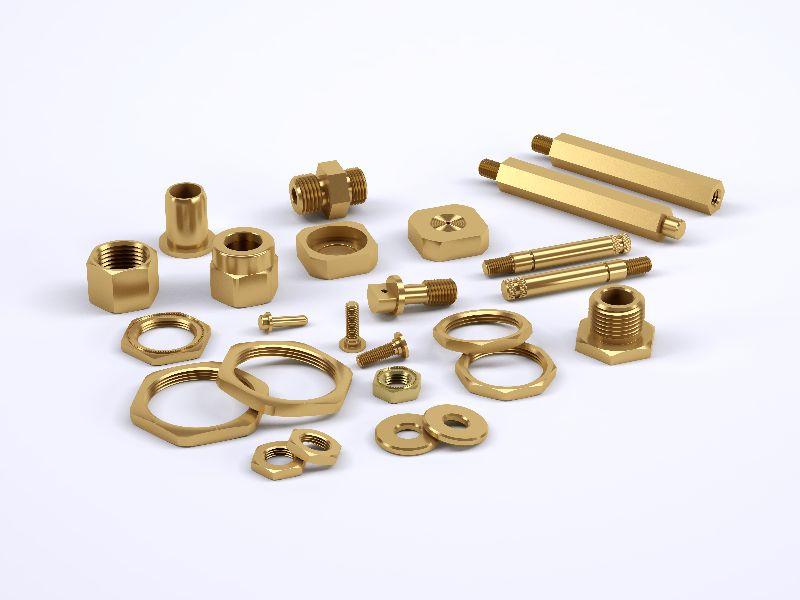
Electronics & Electrical Systems
In the electronics industry, bronze alloys, particularly phosphor bronze and silicon bronze, are widely used for their conductivity and resistance to wear. Phosphor bronze is often found in electrical connectors and switches due to its excellent spring properties and electrical performance. Silicon bronze, on the other hand, is highly resistant to oxidation and corrosion, making it a go-to material for electronics exposed to harsh environments. The ability to maintain reliability over time in electrical components is crucial, and bronze alloys ensure just that.
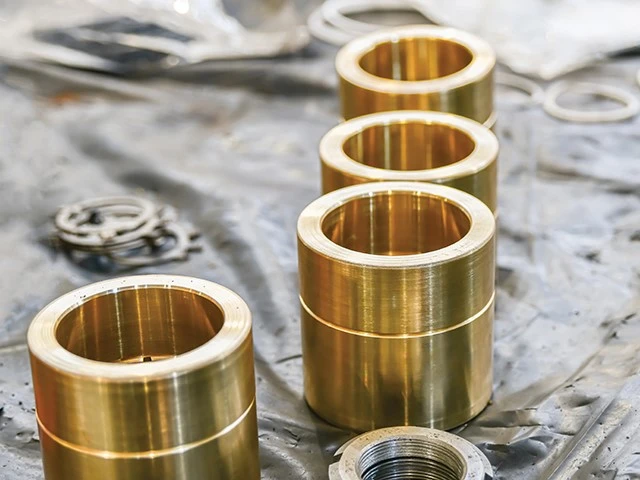
Industrial Equipment & Manufacturing
In industrial sectors, where machinery is subject to constant stress and wear, bronze alloys are indispensable. From tin bronze gears to aluminum bronze valves, these alloys are commonly used in the production of high-strength, durable parts for machinery. Tin bronze, with its balanced strength and resistance to corrosion, is particularly well-suited for bearings and bushings in heavy machinery, while aluminum bronze is favored for components exposed to extreme wear, such as pumps and valves in chemical and oil industries. The precision that CNC machining provides makes it possible to craft these intricate components with tight tolerances, ensuring optimal performance.
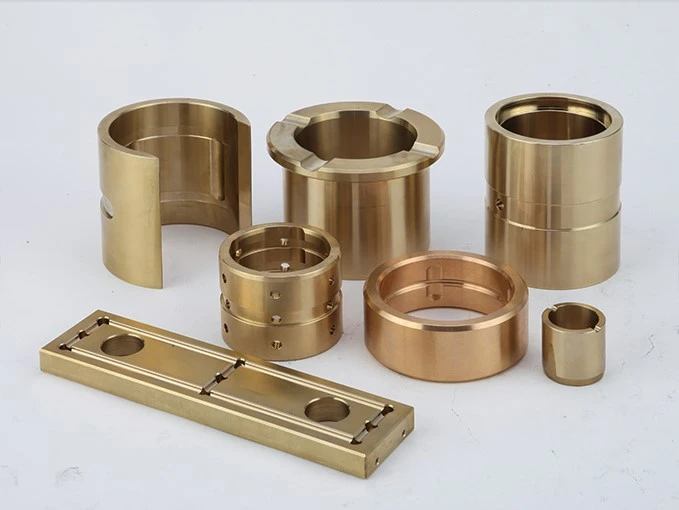
Art & Architecture
Beyond industrial applications, bronze plays a significant role in art and architecture. Sculptors and architects often turn to silicon bronze for outdoor sculptures and decorative elements, as it offers both aesthetic appeal and resistance to corrosion. Phosphor bronze is similarly used in intricate architectural hardware, where strength and beauty must coexist. Bronze’s ability to retain its appearance and withstand the elements makes it the material of choice for creating timeless works of art and functional architectural pieces that last for decades.

Energy & Power Generation
In the energy sector, where high performance is critical, bronze alloys are trusted for their reliability in tough environments. Components like aluminum bronze valves and silicon bronze seals are widely used in turbines, pumps, and power plants. These alloys’ ability to resist wear, corrosion, and high temperatures ensures that energy systems operate efficiently and last longer, even under heavy loads and constant exposure to extreme conditions.
Surface Finishes For CNC Machined Bronze Parts
Choosing the right surface finish for CNC-machined bronze parts is more than just an aesthetic decision—it directly impacts performance, durability, and the part’s overall function. With bronze’s natural qualities—like strength and corrosion resistance—it’s essential to pick the surface treatment that best suits your needs, whether it's for decorative appeal or industrial resilience. From the natural elegance of a patina to the sleek protection of coatings, bronze offers a range of finishing options, each with its own unique benefits.
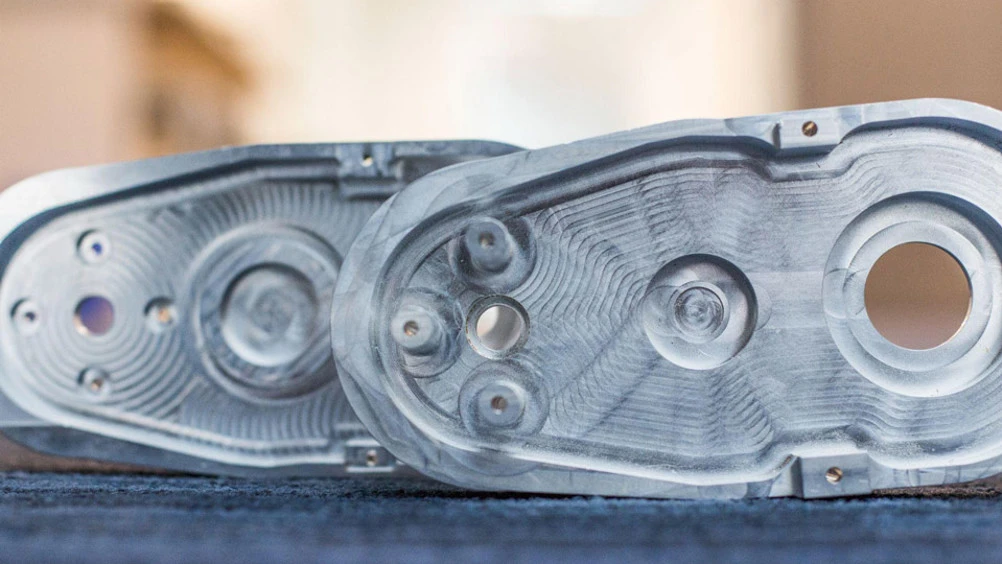
As Machined
This is the most straightforward finish, where the part is left just as it comes out of the machining process. You’ll see visible tool marks and some surface imperfections, but the part maintains its precise dimensions.
Best For: When functionality and precision are more important than appearance, such as internal components or parts that will undergo further treatment.
Bead Blasting
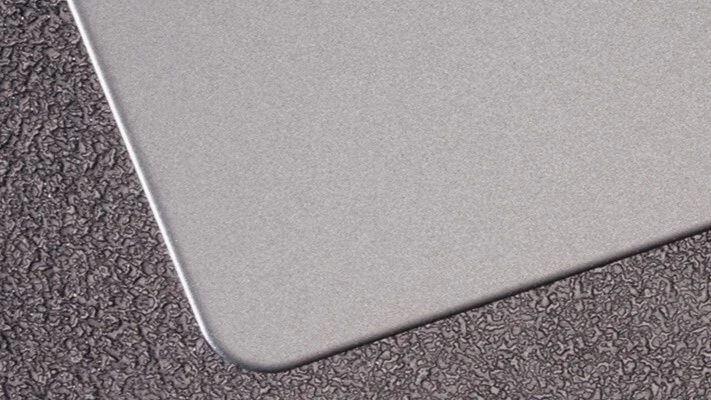
Bead blasting creates a matte finish by using fine abrasive beads to gently smooth out the surface, removing tool marks and minor surface defects. The result is a uniform texture that’s non-reflective, offering a more industrial look.
Best For: Parts where a clean, consistent, and non-glossy finish is needed, like marine components, industrial hardware, or parts in structural applications.
Polishing
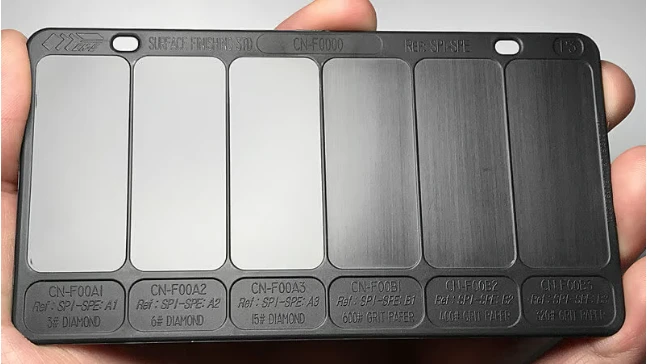
A polished surface gives bronze a glossy, mirror-like finish, erasing roughness and adding a high-end sheen. This is often done manually or chemically to bring out the material’s natural beauty.
Best For: Decorative items, luxury fittings, and precision components that require an elegant look, such as jewelry, fine hardware, or custom designs.
Electroplating (Nickel, Tin, or Zinc)
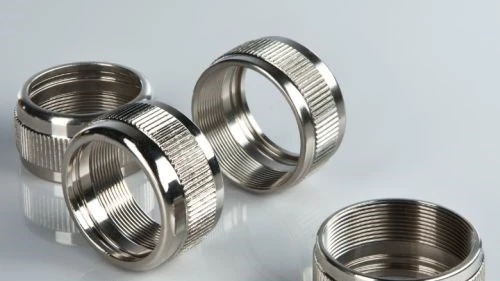
By electroplating bronze with a thin layer of nickel, tin, or zinc, you enhance its corrosion resistance while also improving its surface hardness. The coating provides an additional layer of protection, which can be crucial in harsh environments.
Best For: Parts exposed to extreme conditions like marine or automotive applications, where both protection and durability are necessary.
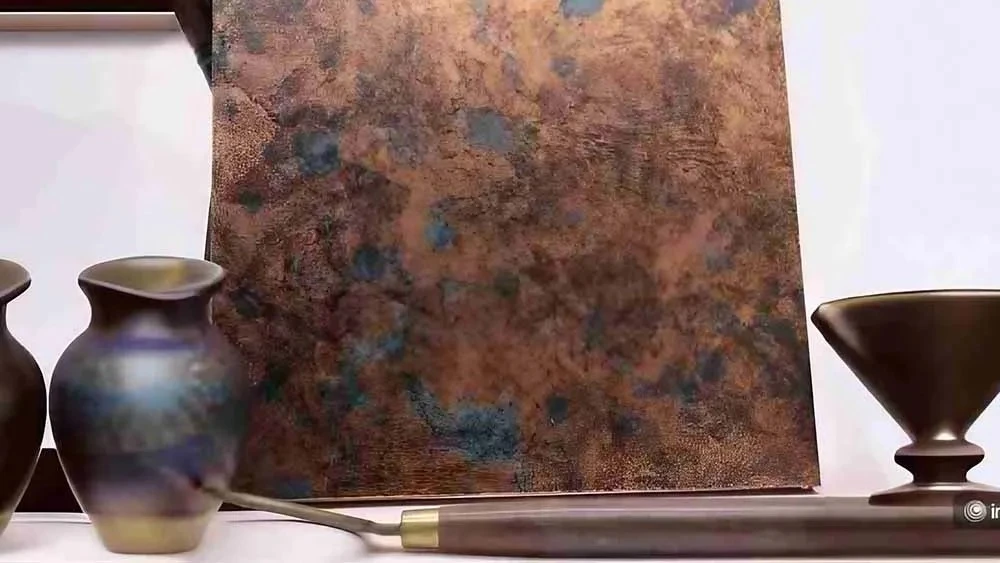
Patina Finishing
Patina finishing is a process that uses chemicals to naturally age the surface of bronze, developing a distinctive, rich coloration. Over time, the patina continues to evolve, providing the part with a unique, antique appearance that also helps protect the material from further oxidation.
Best For: Artistic creations, sculptures, or custom pieces that need to embrace their natural aging process. Also ideal for architectural hardware and custom-designed items.
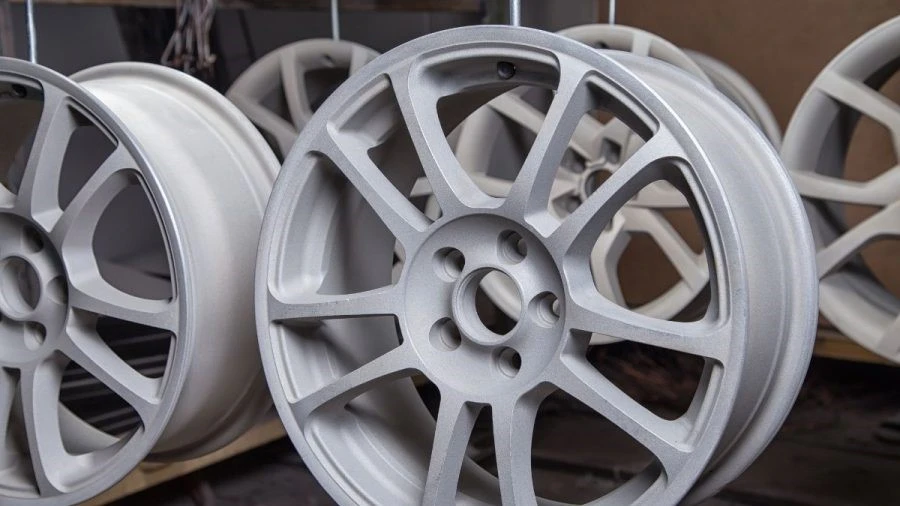
Powder Coating
Powder coating applies a fine powder electrostatically to the surface of the bronze, which is then cured under heat to form a tough, durable finish. Available in a wide range of colors and textures, this finish enhances the material's resistance to wear and corrosion.
Best For: Outdoor applications or machinery that require long-lasting protection, as well as consumer products that demand both strength and a customizable finish.
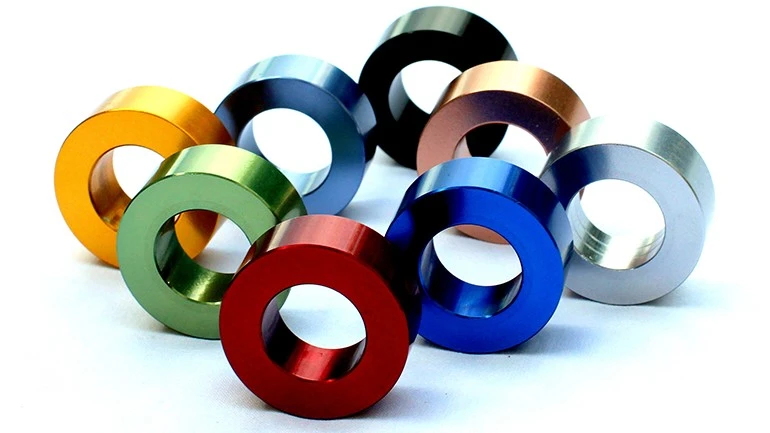
Anodizing (for Aluminum Bronze)
Anodizing applies an electrochemical treatment to aluminum bronze alloys, building a protective oxide layer that enhances both corrosion resistance and appearance. The process can also incorporate colors, offering a combination of protection and aesthetic flexibility.
Best For: Aerospace, automotive, or high-performance applications that need added strength and corrosion resistance without sacrificing the appearance of the material.
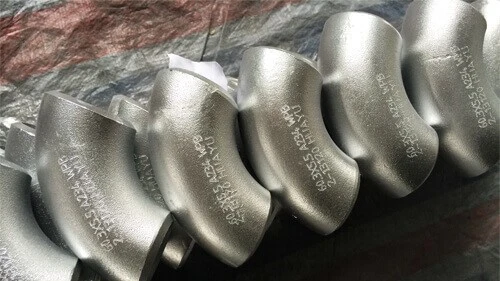
Hot-Dip Galvanizing (for Zinc Bronze)
Hot-dip galvanizing involves immersing the bronze part in molten zinc, forming a thick coating that provides superior protection against corrosion. This finish is ideal for parts exposed to tough outdoor conditions.
Best For: Heavy-duty applications like structural components, outdoor hardware, and industrial machinery, particularly in marine or harsh weather environments.
Chemical Film (Conversion Coating)
Chemical film is a thin, protective coating that enhances the bronze’s resistance to corrosion while maintaining its natural appearance. This conversion coating also improves the material's durability without altering its color significantly.
Best For: High-tech, aerospace, or military applications, where a minimal but highly effective protective layer is needed.
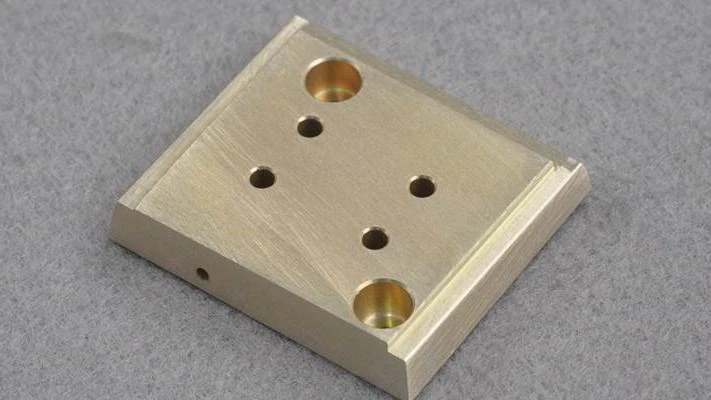
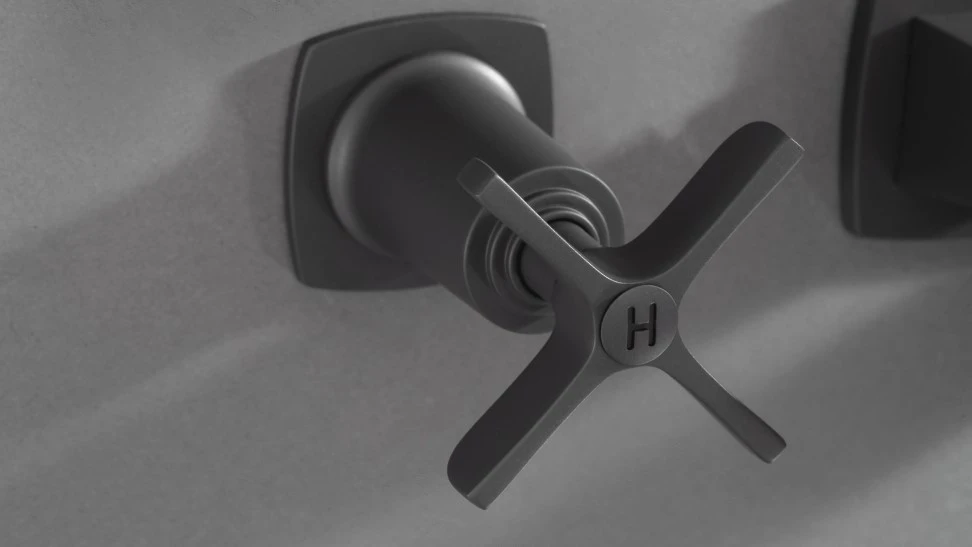
Oil Rubbed Bronze
Oil rubbing gives bronze a deep, warm color, creating a rich finish that matures over time. The surface can develop an even more beautiful, aged look, adding character as it interacts with the environment.
Best For: Vintage-style fixtures, plumbing, door handles, and custom decorative elements that benefit from a timeless, natural finish.
Choosing the Right Surface Finish
The finish you choose for your CNC-machined bronze parts depends on what you need the part to achieve. If corrosion protection is your priority, coatings like electroplating, galvanizing, or powder coating are excellent options. For parts where visual appeal matters as much as performance, polishing, patina, or oil rubbing might be the way to go. And if you're creating something that needs a balance of protection and aesthetic quality, finishes like anodizing or chemical film offer the best of both worlds.
In the end, a well-chosen finish can transform a simple piece into a highly durable, visually striking part. Whether you’re designing components for industrial machinery, high-end décor, or custom creations, selecting the appropriate finish ensures your bronze parts not only meet but exceed expectations.
Gallery of CNC Machined Bronze Parts
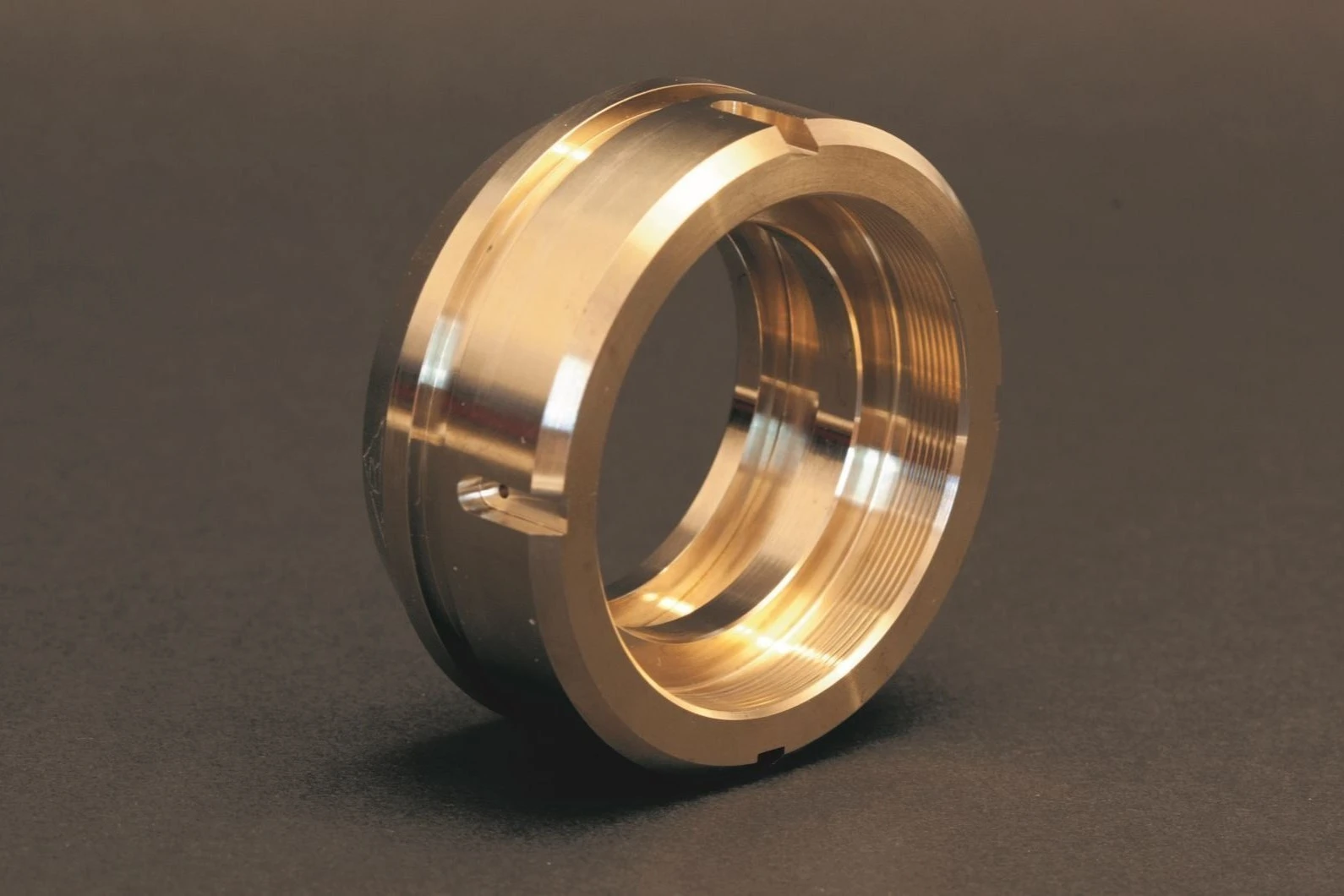
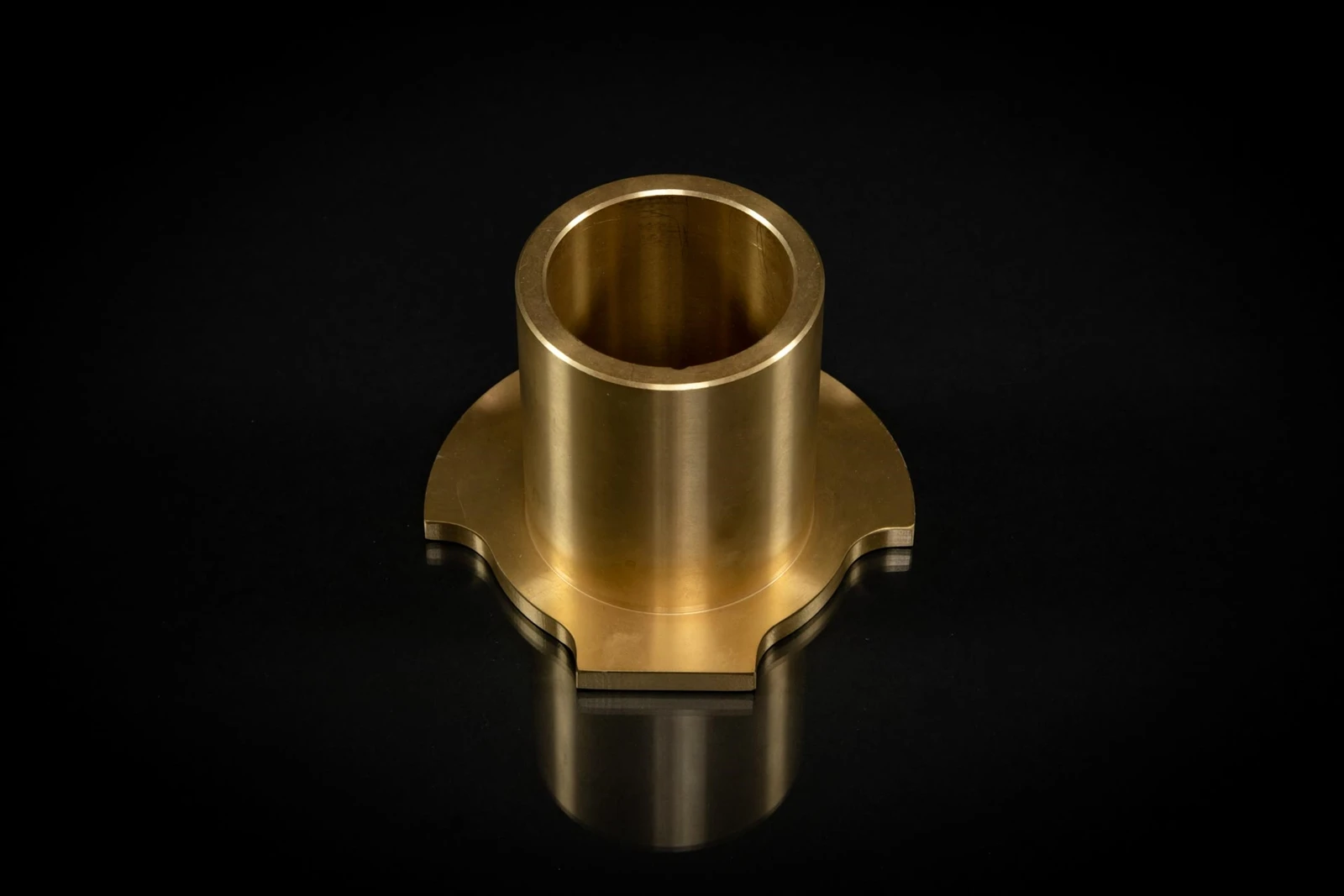
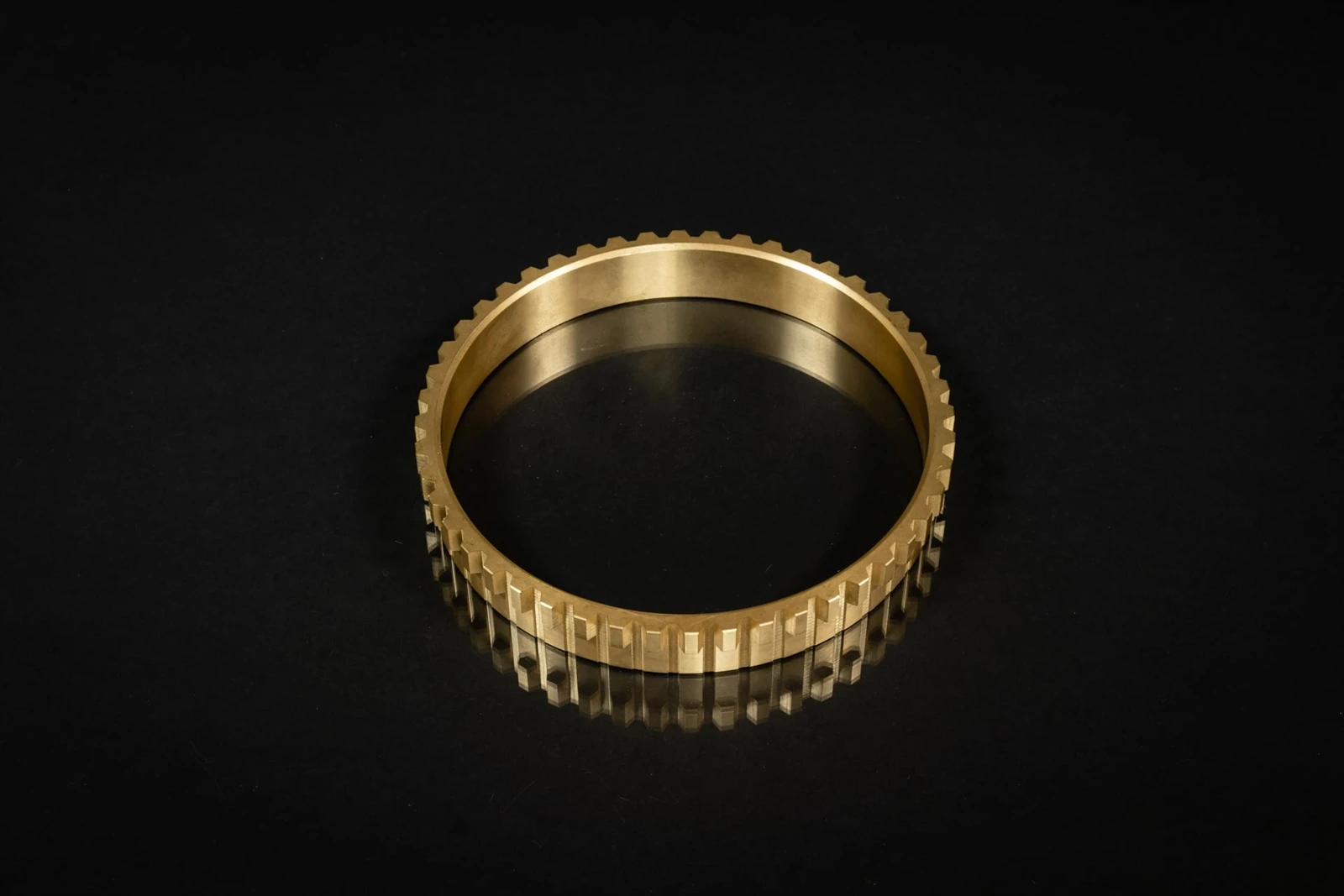
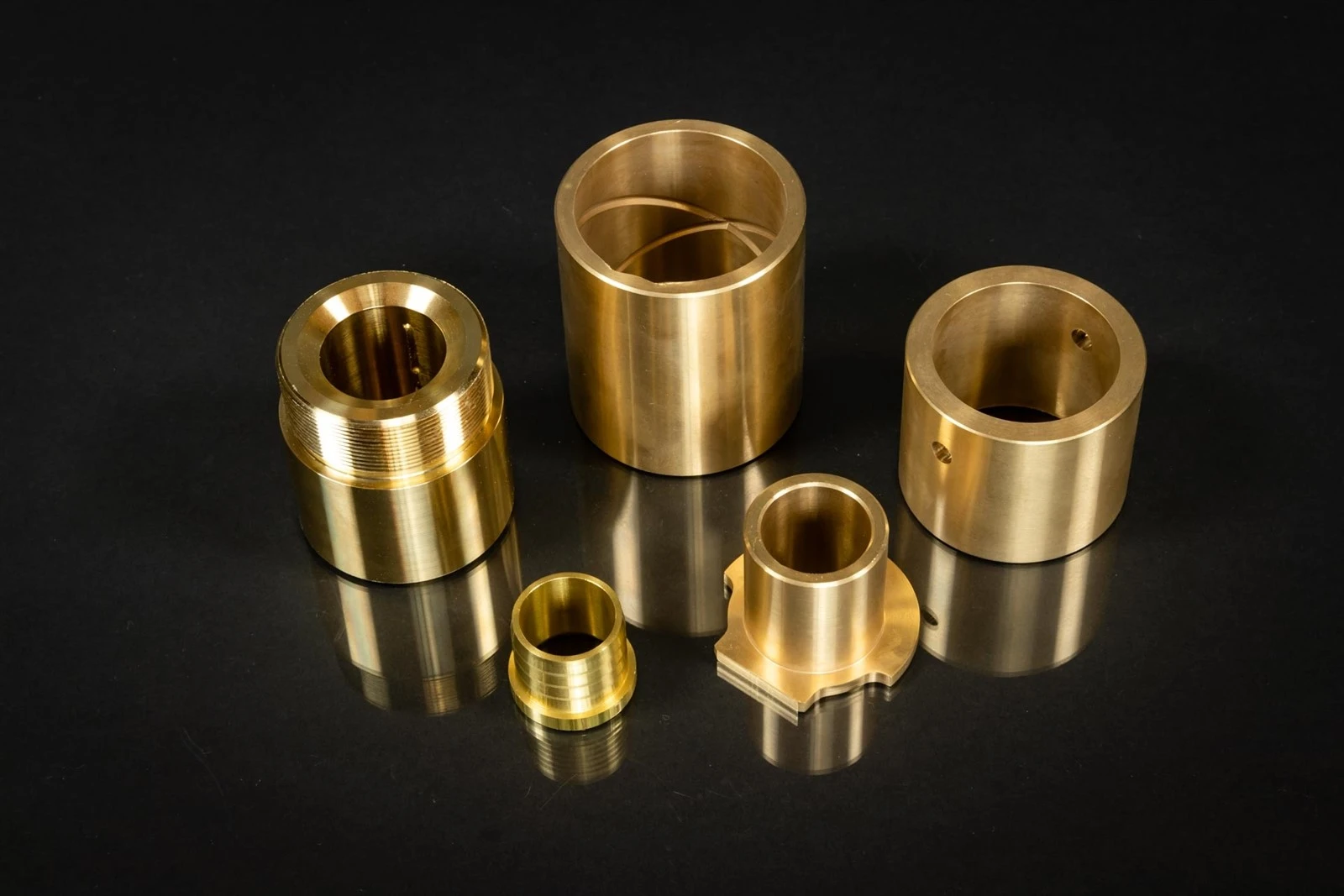
At Pride, we specialize in precision CNC machining of bronze parts for industries that demand performance and reliability. Bronze’s corrosion resistance and machinability make it ideal for a variety of applications, from aerospace and marine to automotive and decorative pieces.
We use advanced CNC technology to create everything from gears and bearings to custom fixtures, ensuring high-quality, durable parts for every project. Whether it's a prototype or large-scale production, we guarantee precision and performance.
-
Shenzhen Mandarin Oriental Hotel
Why Choose Pride Machining ?
At Pride, we focus on precision, efficiency, and cost savings. With years of industry experience and state-of-the-art CNC technology, we help businesses bring their ideas to life—quickly and cost-effectively. At Pride Machining, we don’t just make parts—we build reliable solutions that power industries.
Cost-Effective Manufacturing
We streamline production and control costs at every step. On average, our clients save 30-50% on machining expenses without sacrificing quality.

Expert Engineering Support
From material selection to design optimization, we offer hands-on support to improve manufacturability. Our engineers provide practical insights that help reduce costs and enhance product performance.
Stringent Quality Control
Quality is non-negotiable. As an ISO 9001:2015 certified manufacturer, we deliver parts with SGS, RoHS, and material certifications—along with full inspection reports for complete transparency.

Diverse Material Options
Over the past 20 years, we’ve worked with an extensive range of materials. Whether it’s stainless steel, aluminum, bronze, or titanium, we ensure each part meets exact specifications for durability and performance.
CNC Machining Stainless Steel FAQs
What are the benefits of CNC machining bronze?
CNC machining bronze provides excellent precision and surface quality, making it perfect for complex and intricate designs. Bronze is known for its strength, wear resistance, and excellent machinability, making it ideal for demanding applications. Whether it’s used in marine, automotive, or aerospace industries, CNC-machined bronze parts are built to last and perform under pressure.
What types of bronze are best for CNC machining?
There are several bronze alloys that are commonly used in CNC machining, each offering unique properties for different applications. C93200 (bearing bronze) is favored for its exceptional wear resistance, ideal for bearings and bushings. C36000 (free-cutting brass) is easier to machine and is perfect for fasteners and electrical components. C65500 (aluminum bronze) offers superior strength, corrosion resistance, and is often used in harsh environments like marine or heavy-duty applications.
How much does CNC machining of bronze cost?
The cost of machining bronze can vary depending on several factors, such as the alloy selected, part complexity, surface finish, and machining time. While bronze is generally more expensive to machine than materials like aluminum, its durability and superior performance often justify the higher cost, especially for components that need to withstand extreme conditions.
What is the difference between C93200 and C36000 bronze?
C93200, also known as bearing bronze, is known for its outstanding wear resistance and is commonly used in components like bushings and bearings. C36000, or free-cutting brass, is easier to machine and is often used for parts like screws, fasteners, and electrical connectors. While both are excellent choices, C93200 is preferred for high-stress applications, whereas C36000 is favored for its machinability and versatility.
What industries use CNC-machined bronze parts?
Bronze is widely used across various industries, including aerospace, marine, automotive, electrical, and industrial machinery. Its excellent resistance to corrosion, especially in seawater and high-temperature environments, makes it a go-to material for components that need to endure harsh conditions. Bronze parts are also commonly used in electrical connectors, gears, bushings, and valves.
What are the most common applications for CNC-machined bronze parts?
CNC-machined bronze parts are essential in many industries. They are often used for bearings, bushings, gears, valve components, and marine hardware. Additionally, bronze’s durability makes it ideal for applications requiring high friction resistance, such as heavy-duty industrial machinery and automotive engine components.
What surface finishes are available for CNC-machined bronze parts?
There are several surface finish options for CNC-machined bronze parts, each offering distinct benefits:
- As-machined: This is the simplest finish, where the part retains machining marks, ideal for functional applications.
- Polishing: A smooth, reflective surface is achieved, which is perfect for decorative parts or high-visibility components.
- Bead Blasting: A matte finish that provides a uniform texture, commonly used for functional parts where aesthetics are not a priority.
- Anodizing: Typically used for aluminum alloys but can be applied to specific bronze alloys for additional corrosion resistance and color.
- Electroplating (Nickel, Gold, Silver): Adds extra durability, corrosion resistance, or electrical conductivity, depending on the plating material.
How does bronze compare to other metals for machining?
Bronze has unique advantages over other materials like aluminum and steel. It is harder and more durable, which makes it ideal for parts exposed to wear and friction. Compared to aluminum, bronze also offers better corrosion resistance, especially in marine environments. However, it requires specialized tools and slower machining speeds to prevent excessive wear on equipment.
Does your company offer CNC machining for bronze parts?
Absolutely! We specialize in machining a wide range of bronze alloys, ensuring the highest level of precision and quality. Whether you're looking for small, intricate components or large, high-volume production runs, we have the expertise and equipment to deliver parts that meet your exact specifications.
What is the difference between phosphor bronze and aluminum bronze?
Phosphor bronze (C51000) is known for its excellent resistance to corrosion and fatigue. It’s commonly used in electrical connectors, musical instruments, and parts that need to withstand constant motion. On the other hand, aluminum bronze (C95400) offers superior strength and resistance to harsh environments, making it ideal for marine components and heavy-duty machinery exposed to extreme conditions.
We're well-known as one of the leading bronze manufacturers and suppliers in China for our quality products and customized service. Please feel free to wholesale bronze made in China here from our factory.