

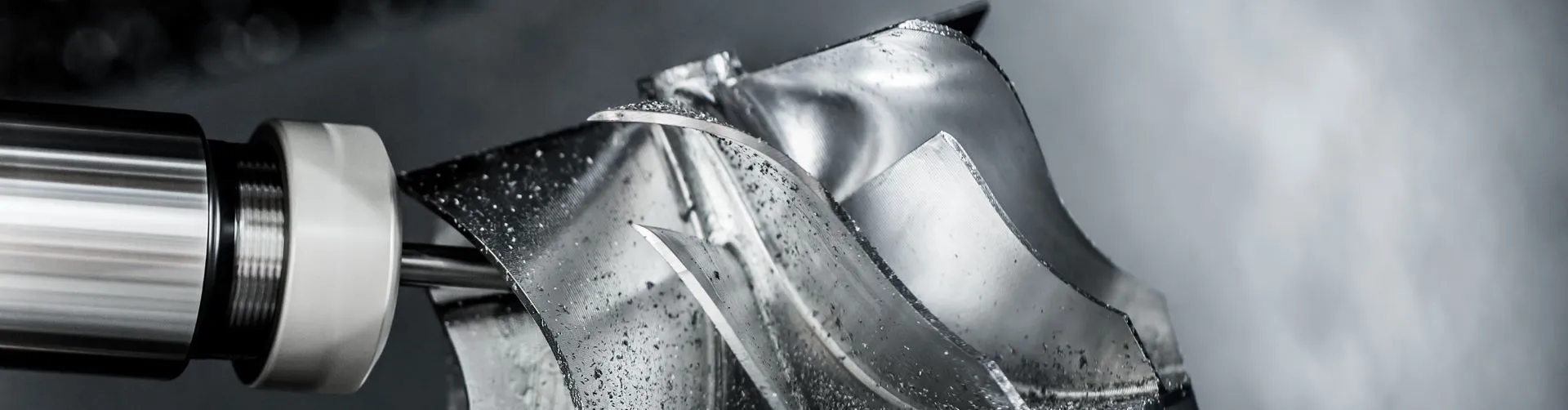


Pipes Perforated Sheet Mixing Vessel Stainless Steel Camping Cookware With Lids

Pipes Perforated Sheet Mixing Vessel Stainless Steel Camping Cookware With Lids

Pipes Perforated Sheet Mixing Vessel Stainless Steel Camping Cookware With Lids

Pipes Perforated Sheet Mixing Vessel Stainless Steel Camping Cookware With Lids

Pipes Perforated Sheet Mixing Vessel Stainless Steel Camping Cookware With Lids
Pipes Perforated Sheet Mixing Vessel Stainless Steel Camping Cookware With Lids
Description
Technical Parameters
Quick Details
Standard: | ASTM, AiSi, GB, JIS, DIN, EN |
Place of Origin: | China |
| Type: | Welded |
| Steel Grade: | 300 Series |
| Application: | Decoration |
Certification: | ISO |
| Welding Line Type: | Spiral Welded |
| Material: | SS304/SS316 |
| Finish: | satin/polish |
| Size: | Custom Size |
| Packaging Details: | According to customers request |
Shows of Product


Contact :Zhang


1606, Tower 4, Nantai Inno Part, FengHuang St.,Guangming District, ShenZhen,GuangDong Province, 518106, China.
TEL:+86-755-23699351
 +86 186 6666 3894
Our Company
 | 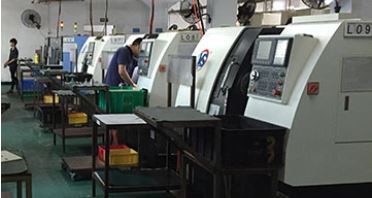 |
CNC Milling WorkshopCNC machining centers, high speed drill and tap center | CNC Turning WorkshopSlant bed CNC turning machine, diameter range from 200 to 630mm |
 |  |
Laser Cutting And Welding WorkshopRobot arm laser welding | Stamping WorkshopHydraulic punching machines from 30 tons to 300 tons |


Packing & Delivery
 |  |  |
| 1. Professional Placement | 2. Plastic Bags | 3. Carton Boxes For Shipping |
 |  | 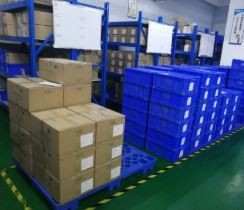 |
| 4. Professional Placement | 5. Professional Shock | 6. Complete Package |
Latest News
 | What is Hard-Anodized Cookware?What is Freshwater Fishing? |
LYNNE WILLIAM
Last Modified Date: July 09, 2020
Hard-anodized cookware is a catchall phrase for pots and pans that are made from electrochemically-hardened aluminum, and covers many different brands and styles. Cookware made from hard-anodized aluminum has a significantly longer lifespan than traditional cookware and is virtually non-porous. It is this nearly complete lack of pores that enables it to resist sticking, even if food is overcooked or burned.
The electrochemical process of hard-anodization is relatively simple. The aluminum base that will make up the skillet, saucepan, or other implement is first submerged in a sulfuric acid bath, then exposed to low electrical charges. During this process, the aluminum ions in the pan are directly exposed to oxygen, resulting in a natural oxidation reaction that creates aluminum oxide. The acid is then cooled to 32°F (0°C) and the electric current radically increased, which causes the outer shell of the pan to immediately anodize. The surface oxidation of the base before it is anodized results in the reduction of surface pores. The surface becomes extremely hard — twice as strong as stainless steel, according to some accounts — within a matter of seconds.
Primary Benefits
There are several reasons why people want hard-anodized cookware, but its durability and long lifespan are usually at the top of the list. Pots and pans that have been made this way are usually heavy and will resist scratching, warping, and corrosion. They are also known for their even heat distribution, which means that cooks can count on them to produce uniform results no matter what is being prepared. Most of the time, manufacturers put a premium on these benefits, though; hard-anodized cookware is often quite expensive as a result. Many people are willing to pay this higher price because they know that the cookware will last for a long time: when properly cared for, it may never need to be replaced.
Non-Stick Qualities
Most hard-anodized cookware is considered “stick resistant,” which means that it naturally repels even the stickiest foods. Most culinary experts do not consider it to be truly “nonstick,” however, reserving this distinction for pans that have been treated with a chemically-engineered surface shield. Some anodized pans are also given this sort of non-stick treatment, though most are left as-is. Cooks often find the stick-resistant surface to be perfectly acceptable, and it also tends to lend a longer life for the pans.
Suitability for Different Heat Sources
Hard-anodized surfaces are non-toxic and are resistant to heat up to the melting point of aluminum, which is 1,221°F (660.56°C). As such, they can be used on most any indoor heat source, including electric and gas ranges, as well as the hotter griddles and commercial burners used in most restaurants. According to many accounts, this sort of cookware was actually originally designed for restaurant cooking, when chefs needed a dependable way to cook almost non-stop. The only heat source that is not usually recommended is an open flame. Cookware specially designed for camping or grilling is generally best in these situations.
Care and Cleaning
Caring for non-anodized cookware is generally pretty straightforward. Most manufacturers recommend soaking the pans in warm soapy water, and using a soft sponge or dishcloth to remove food residue. Abrasive pads or metal sponges can be used for burnt-on messes or tough stains — the surface is durable enough to withstand even harsh scrubbing — though these measures should only be taken when absolutely necessary. Though anodized pans cannot be easily damaged, they will begin to lose their sheen and finish with repeated harsh treatment.
In most cases, the cookware can also be cleaned in the dishwasher, though this is rarely ever recommended. While the aluminum can usually withstand the heat and high suds, the rest of the pan — coated handles, for instance, or plastic grips — may not have the same capabilities. It is usually best to wash the pans by hand to avoid preventable damage.
Quality Questions
Cooks generally consider hard-anodized cookware to be near the top of the line when it comes to quality standards, though there often is some variation between brands. The anodization process is basically constant across the board, but there is much to be said about the quality of aluminum that is used from the beginning, as well as the workmanship of any added coatings, handles, or lids. Shoppers usually benefit from doing a bit of research before making the investment.
Possible Health Concerns
A number of scientific studies have linked human consumption of aluminum and aluminum particles to Alzheimer’s disease as well as certain types of cancer, findings that have led some people to question whether cooking with aluminum pans — anodized or not — is safe. In most cases, the answer is yes. Metallic elements only rarely leach from cookware, and even when they do, it is usually only in tiny, trace amounts that should not cause concern. As a precaution, however, most experts recommend staying away from pans with scratched or gouged surfaces that may be more likely to leach toxins into food.
Hot Tags: pipes perforated sheet mixing vessel stainless steel camping cookware with lids, China, manufacturers, suppliers, factory, wholesale, customized, made in China
Send Inquiry
You Might Also Like


