



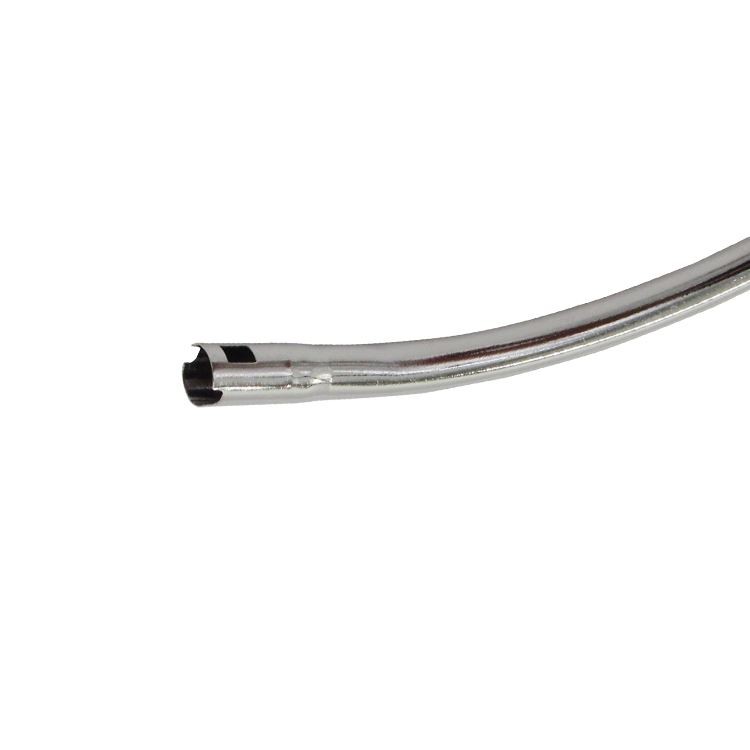
ENT Stainless Steel Endoscopic Bent Catheter Tube
Description
Technical Parameters
| Quick Details |
|
Place of Origin: |
Guangdong, China |
|
Model Number: |
OEM |
| Instrument Classification: | Class II |
| Material: | Stainless steel 304 |
| Certification: | ISO 9001 |
| Surface Treatment: | Polishing |
| Application: | ENT |
| Grade: | Medical Level |
| Properties: | Endoscope Tube |
| Shows of Production |
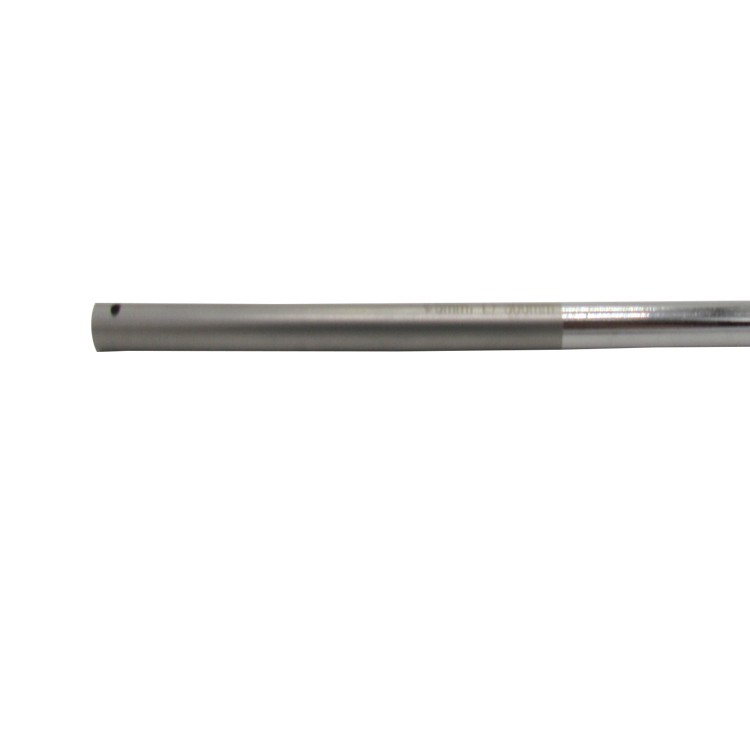
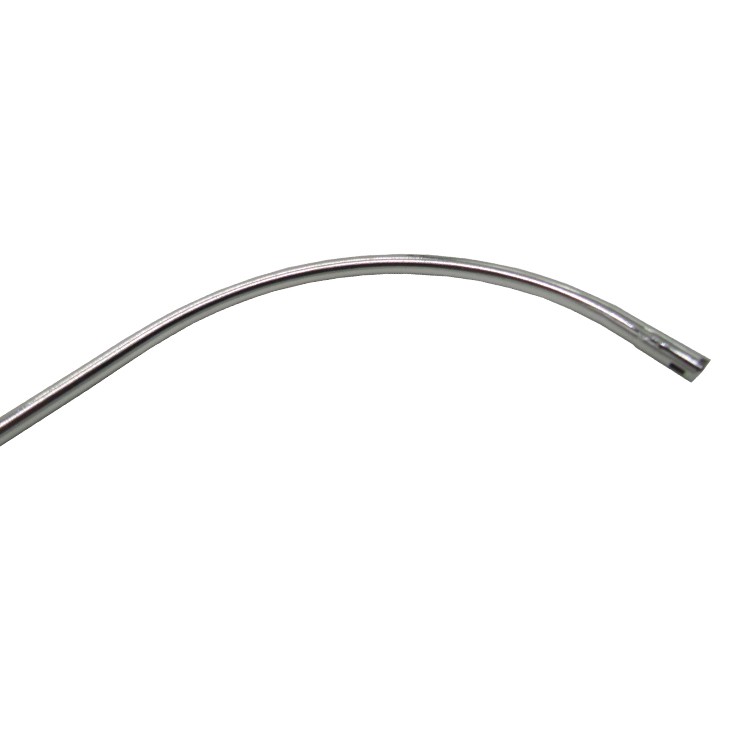
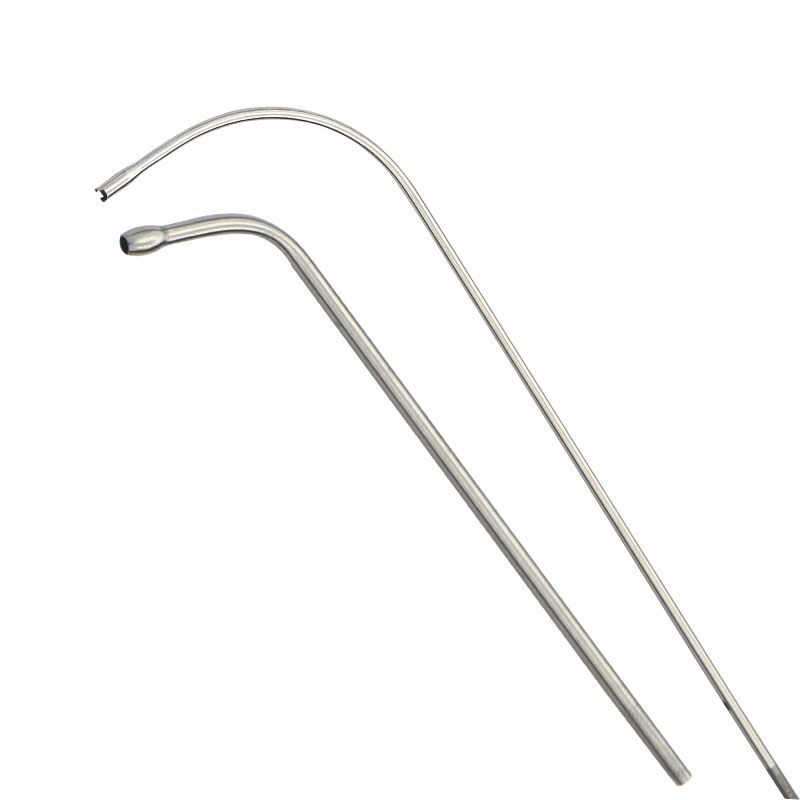
| Our Company |

|
|
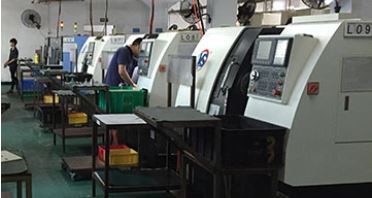
CNC Milling WorkshopCNC machining centers, high speed drill and tap center |
CNC Turning WorkshopSlant bed CNC turning machine, diameter range from 200 to 630mm |

|

|
Laser Cutting And Welding WorkshopRobot arm laser welding |
Stamping WorkshopHydraulic punching machines from 30 tons to 300 tons |

| Our Machines |


| Packing & Delivery |

|

|

|
| 1. Professional Placement | 2. Plastic Bags | 3. Carton Boxes For Shipping |

|

|

|
| 4. Professional Placement | 5. Professional Shock | 6. Complete Package |
| Latest News |

|
Developing the Future of Biomaterials |
by Gabriel ConstantinescuonNovember 18, 2019
Selected metals and metal alloys are among the best biomaterials used today, mainly due to their optimal biocompatibility and mechanical properties:
Stainless steel
Cobalt–chromium alloys
Commercially pure titanium
Titanium alloys
These materials are the most widely used for biomedical applications such as orthopaedic and dental implants.
Because the surface of biomaterials comes in contact and interacts directly with the biological environment, the foremost challenge in improving the implant’s “longevity” and function is the right surface modifications. If the implant material-body tissue interface is correctly designed/engineered, then the implant will be successfully integrated into the body and will perform splendidly.
Understanding better the mechanisms of protein adsorption and cell adhesion at the material-tissue interface will provide researchers with more robust means to select the proper biomaterial and surface modification technique.
Particular surface treatments will have to be adopted based on the materials substrate, the specific biological environment and the given application in order to enhance the in vivo performance.
Soon, it is anticipated that technical breakthroughs in synthetic chemistry, biofunctionalization, micro- and nano-engineering, and surface characterization will lead to the fabrication of even more advanced and bioactive implant surfaces. In particular, surfaces that are highly topographically-complex at the submicron level are thought to interact with certain proteins more effectively and are therefore expected to provide unprecedented control over cellular activities and remarkable healing responses.
Hot Tags: ent stainless steel endoscopic bent catheter tube, China, manufacturers, suppliers, factory, wholesale, customized, made in China
Previous
OEM Ultrasonic Knife HolderSend Inquiry


