What is 5-Axis CNC Machining and How Does It Work?
May 16, 2024
Leave a message
1. What is 5-Axis Machining?
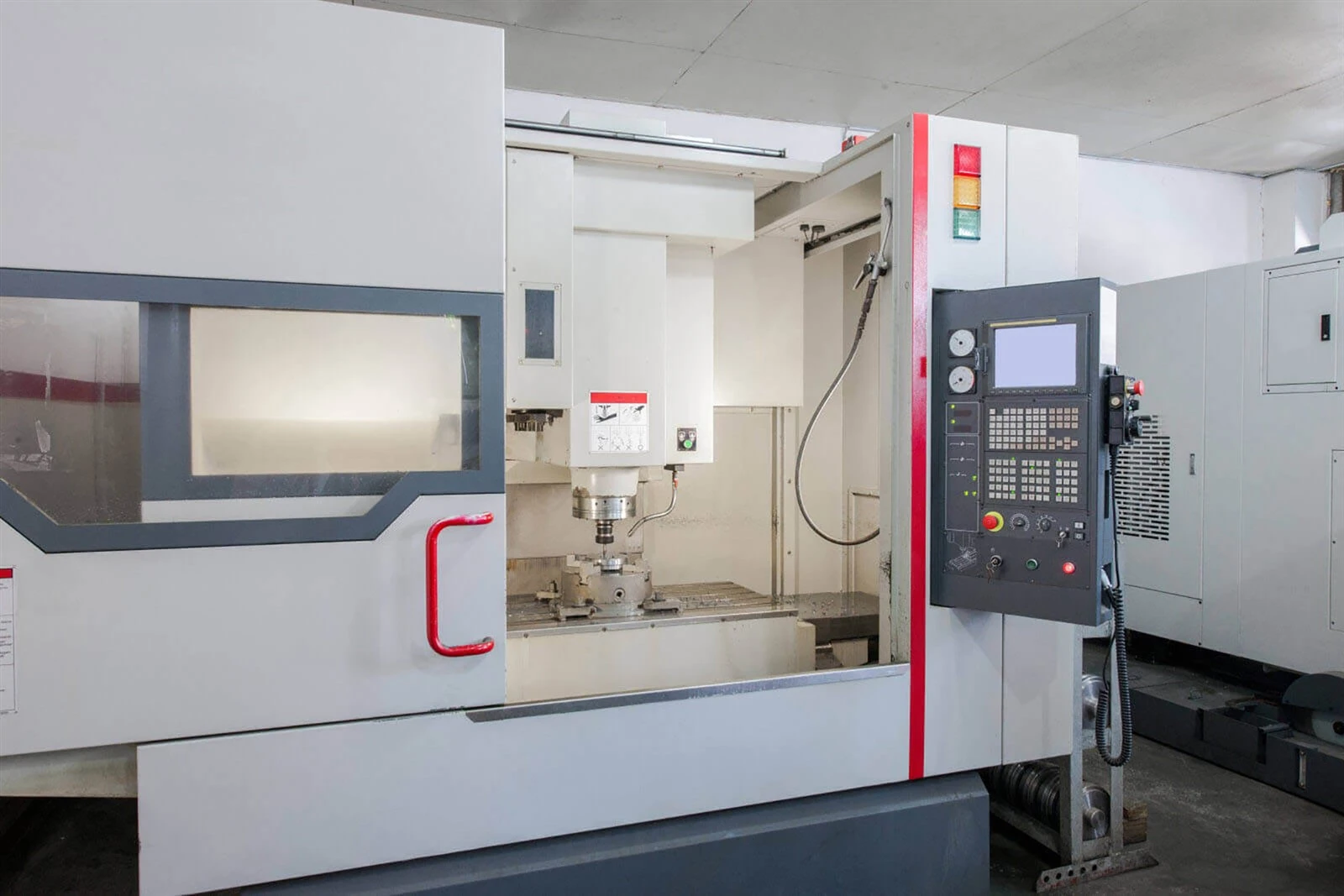
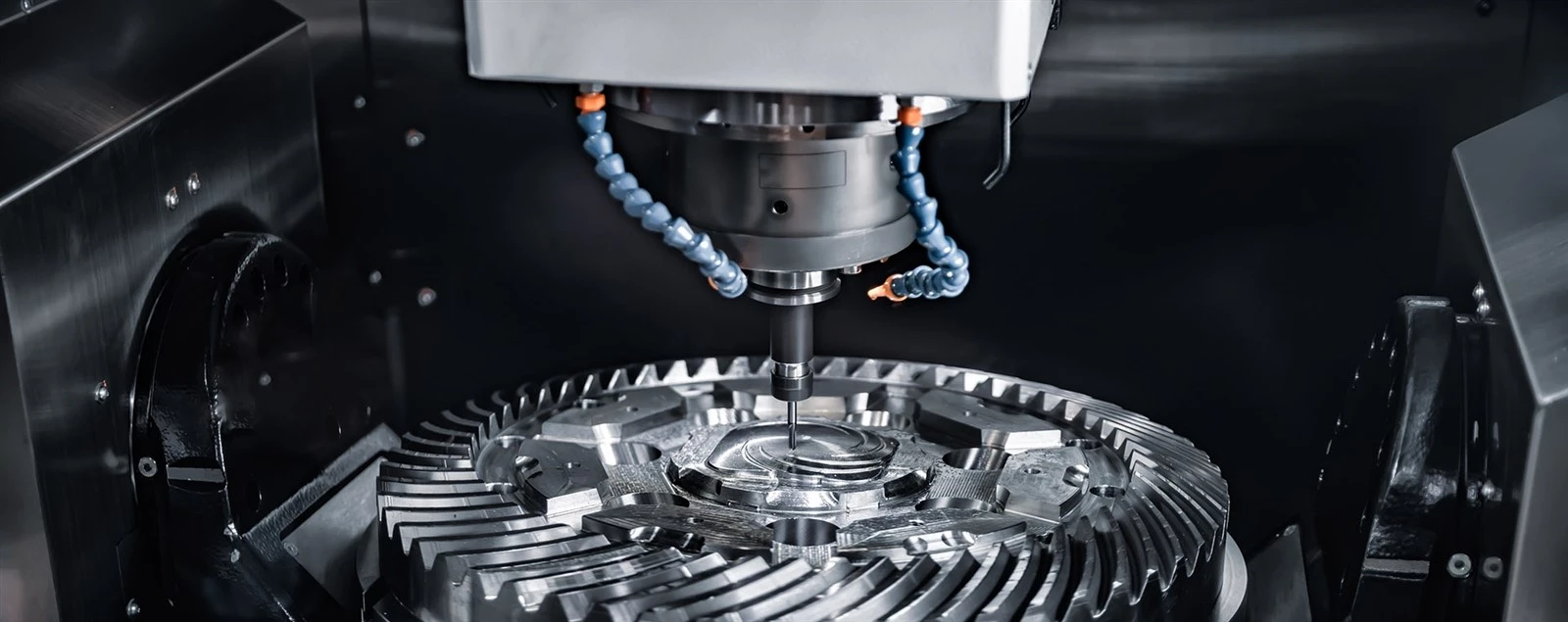
5-axis machining is an advanced form of CNC (Computer Numerical Control) machining that enables the machine tool to move simultaneously in five different axes. Unlike traditional CNC machines, which operate along three primary axes (X, Y, and Z), 5-axis machines add two additional rotational axes, A (rotation around the X-axis) and B (rotation around the Y-axis). This capability allows for more complex and precise machining operations, making it possible to produce intricate parts with fewer setups and improved accuracy.
The significance of 5-axis machining lies in its ability to handle complex geometries and deliver high-quality surface finishes. It is widely used in industries such as aerospace, automotive, and medical device manufacturing, where precision and efficiency are critical.
Historical Context
The evolution of CNC machining began in the mid-20th century with the development of 3-axis machines. These early machines revolutionized manufacturing by automating the control of machine tools through computer programming. As technology advanced, the limitations of 3-axis machining in handling complex shapes and multi-faceted parts became apparent. This led to the development of 4-axis and eventually 5-axis machines.
axis CNC machining emerged as a solution to these limitations, providing greater flexibility and capability. The addition of two rotational axes enabled manufacturers to machine parts from multiple angles without the need for multiple setups. This advancement has greatly enhanced the efficiency and accuracy of modern manufacturing processes, making 5-axis machining an essential technology in high-precision industries.
2. What are the Different Axes in 5-Axis Machining?
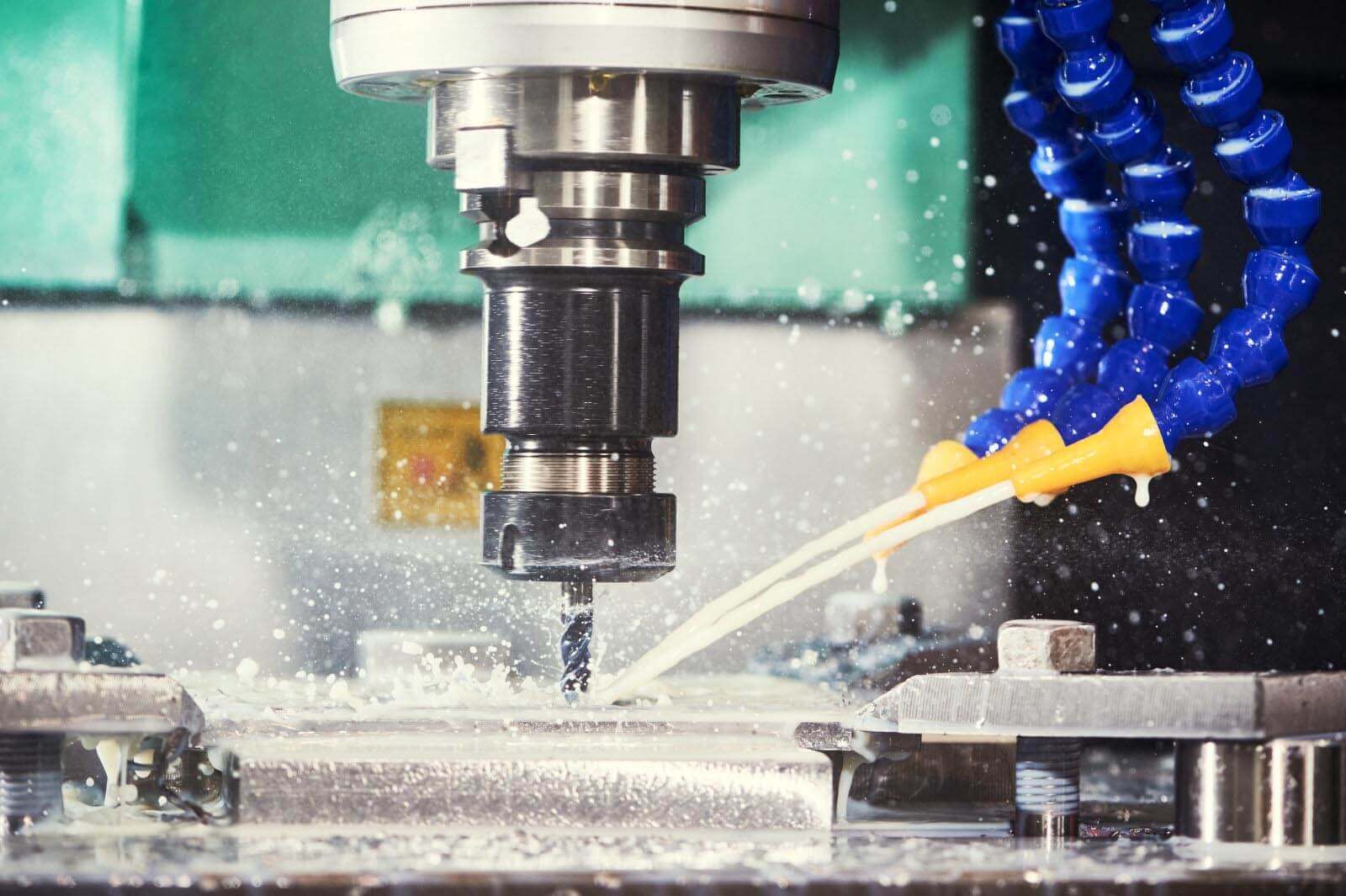
5-axis machining is distinguished by its ability to move the cutting tool or workpiece along five different axes simultaneously. Understanding these axes is crucial to appreciating the capabilities and advantages of this advanced machining technology.
Explanation of the Axes
X-Axis: The X-axis represents the horizontal movement of the cutting tool or the workpiece from left to right. This is one of the primary linear axes used in traditional CNC machining.
Y-Axis: The Y-axis denotes the vertical movement perpendicular to the X-axis, moving the tool or workpiece forward and backward.
Z-Axis: The Z-axis is the third primary axis, which controls the up and down movement of the tool or workpiece. Together with the X and Y axes, the Z-axis allows for three-dimensional machining.
A-Axis: The A-axis is one of the rotational axes in 5-axis machining. It rotates around the X-axis, enabling the tool to tilt and approach the workpiece from various angles. This rotation is essential for machining complex surfaces and contours.
B-Axis: The B-axis rotates around the Y-axis, adding another layer of flexibility to the machine's movements. Like the A-axis, the B-axis allows the tool to reach intricate angles and features on the workpiece that would be challenging or impossible to achieve with just three linear axes.
How They Work Together
In 5-axis CNC machining, the combination of these linear and rotational axes allows for unparalleled flexibility and precision. The simultaneous movement in five axes enables the machining of complex shapes and features in a single setup, reducing the need for multiple repositioning and setups. This not only saves time but also minimizes the risk of errors and improves the overall quality of the final product.
3. Types of 5-Axis CNC Machining
5-axis CNC machining comes in several variations, each tailored to specific requirements of part geometry and desired performance characteristics. The choice of a particular type depends on the complexity of the part and the precision needed.
Simultaneous 5-Axis CNC Machining
Simultaneous 5-axis CNC machining, also known as continuous 5-axis CNC machining, allows the cutting tools to move along all five axes simultaneously. This method is often referred to when the term "5-axis CNC machining" is used generically. It offers unparalleled flexibility and precision, enabling the machining of complex geometries with high accuracy and excellent surface finish.
Advantages:
Complex Geometry Handling: Ideal for parts with intricate shapes and contours.
Improved Surface Finish: Continuous movement allows for smoother surfaces.
Efficiency: Reduces the need for multiple setups, saving time and minimizing errors.
3+2 Machining
3+2 machining, also known as positional 5-axis machining or indexed 5-axis machining, involves locking the cutting tool in a tilted position along the A and B axes. Once positioned, the machining is carried out using the traditional three linear axes (X, Y, and Z).
Advantages:
Use of Shorter Cutting Tools: Allows for faster cutting and reduced deflection.
Machining Deep Cavities: Enables the machining of deep and intricate features not possible with conventional 3-axis machining.
Comparison with Simultaneous 5-Axis Machining:
Capabilities: 5-axis CNC machining can perform all tasks that 3+2 machining can, but the reverse is not true. Simultaneous 5-axis machining is essential for creating complex contour surfaces that 3+2 machining cannot handle. However, 3+2 machining is often faster for plane processing.
4+1 Machining
4+1 machining is another variation where one rotary axis is locked, allowing movement in the three linear axes (X, Y, and Z) and one rotary axis. This method offers a middle ground between 3+2 machining and simultaneous 5-axis machining.
Advantages:
Intermediate Complexity Handling: Useful for parts that are less complex than those requiring full 5-axis but more complex than what 3+2 can handle.
Limitations:
Popularity: It is less commonly used compared to 3+2 and simultaneous 5-axis machining due to its limited application in handling complex geometries.
Mill-Turn 5-Axis CNC Machining
Mill-turn CNC machining enhances the capabilities of simultaneous 5-axis machines by incorporating the ability to rotate the workpiece, similar to a lathe. This combination increases efficiency and expands the range of machinable geometries.
Advantages:
Increased Efficiency: Combines milling and turning operations in one setup, reducing cycle times.
Enhanced Capabilities: Allows for more complex part geometries and more efficient machining processes.
4. Different Configurations of 5-Axis CNC Machines
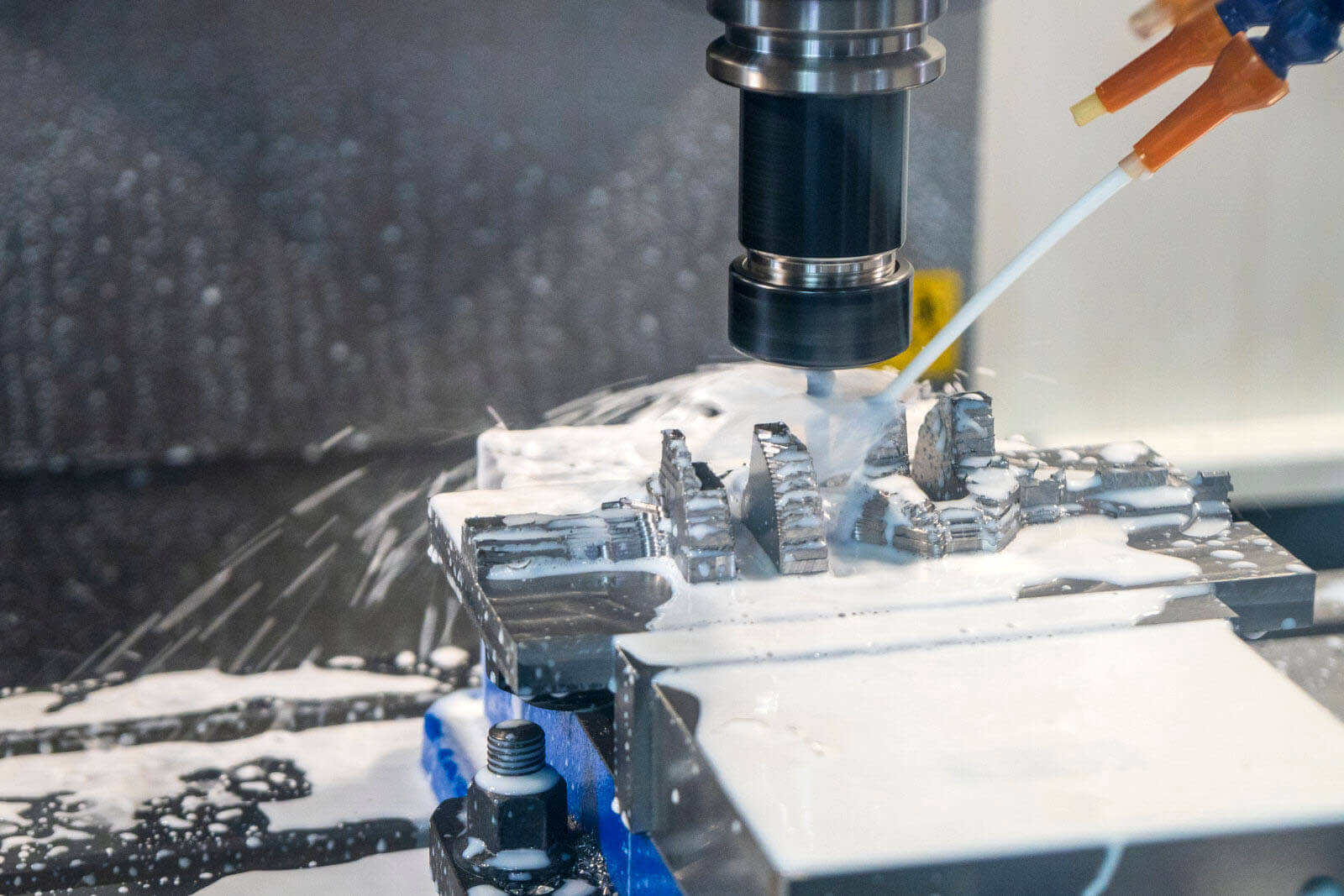
The realm of 5-axis CNC machines encompasses diverse configurations, each tailored to specific machining exigencies. Below are various incarnations commonly found in manufacturing:
Rotary Table with Pivoting Spindle Head Setup
In this iteration, a rotary table lies beneath the workpiece, capable of seamless 360-degree movement along the B axis. A pivotal spindle head complements this, facilitating nuanced movements within a designated range along the A axis.
Dual Rotary Table Configuration
Encountered predominantly in horizontal machining center setups, this configuration leverages two rotary axes. The primary rotary axis, B, is embedded within the rotary table, while the secondary rotary axis, A, adorns the main table. The A axis's positioning on the table varies per the programmer's directives.
Trunnion Style Arrangement
Dubbed the table/table configuration, this setup ingeniously integrates rotary axes within the trunnion table itself. Its streamlined setup simplifies both programming and operational endeavors.
Dual Pivot Spindle Head Arrangement
Also known as the swivel head configuration, this variant harbors both rotary axes within the spindle head. The workpiece remains steadfast, furnishing a stable canvas for machining hefty components. While adept at tackling sizable projects, the rotational freedom of the axes is somewhat curtailed, posing constraints on intricate part geometries.
By discerning these diverse configurations of 5-axis CNC machines, manufacturers can judiciously select the optimal setup commensurate with their unique machining requisites, thereby striking a harmonious balance between precision, intricacy, and efficiency.
5. Advantages of 5-Axis Machining
5-axis machining offers a multitude of advantages over traditional 3-axis or 4-axis machining processes. These advantages stem from the machine's ability to maneuver along five axes simultaneously, providing increased versatility, precision, and efficiency. Below are some key benefits of 5-axis machining:
1. Enhanced Machining Capability
The simultaneous movement along five axes allows for the machining of complex geometries and intricate features that would be challenging or impossible to produce with fewer axes. This capability opens up new possibilities for part design and manufacturing, enabling the creation of components with superior functionality and performance.
2. Reduced Setups and Fixturing
With 5-axis machining, multiple operations that would typically require repositioning and additional setups can be completed in a single operation. This streamlines the manufacturing process, reduces lead times, and minimizes the risk of errors associated with manual repositioning.
3. Improved Surface Finish
The continuous movement of the cutting tool along multiple axes results in smoother surface finishes and finer details. This is especially beneficial for parts with complex contours or intricate features that require high precision and aesthetic appeal.
4. Increased Accuracy and Tolerance Control
5-axis machining offers greater accuracy and tolerance control compared to traditional machining processes. The ability to approach the workpiece from multiple angles allows for more precise tool paths and tighter tolerances, ensuring that parts meet stringent quality standards.
5. Enhanced Tool Life and Reduced Tool Wear
The ability to maintain optimal cutting conditions and angles throughout the machining process minimizes tool deflection and wear. This leads to longer tool life and reduced tooling costs, making 5-axis machining a cost-effective solution in the long run.
6. Greater Production Efficiency
By eliminating the need for multiple setups and reducing machining time, 5-axis machining improves overall production efficiency. This allows manufacturers to increase throughput, meet tight deadlines, and remain competitive in today's fast-paced manufacturing environment.
6.Disadvantages of 5-Axis Machining
Despite its widespread success in CNC manufacturing, 5-axis machining does entail certain drawbacks that professionals should be mindful of:
High Costs
Investing in a 5-axis CNC machine represents a substantial financial commitment. The initial capital outlay for these machines can be considerable, compounded by the need for skilled operators to operate them effectively. However, one cost-effective approach to circumvent these high initial expenses is to engage the services of a 5-axis machining service provider, such as Pride.
Programming Complexity
Creating programs for 5-axis CNC machining poses greater challenges compared to lower-axis machines. The intricate geometries and multi-axis movements involved necessitate advanced programming skills and sophisticated CAD/CAM software. This complexity can lead to longer setup times and require specialized training for operators.
Operational Expertise
Operating a 5-axis CNC machine demands a high level of expertise and experience. The intricacies of machine setup, tooling, and material handling require skilled operators capable of optimizing machining parameters and troubleshooting potential issues. This expertise may require additional training and ongoing professional development.
Maintenance and Downtime
5-axis machining centers are complex machines with intricate mechanical and electronic components. Maintenance requirements are often more demanding compared to simpler machining systems, requiring regular servicing and calibration to ensure optimal performance. Downtime for maintenance or repairs can disrupt production schedules and impact overall throughput.
Tooling and Material Costs
The precision and complexity of 5-axis machining often necessitate specialized tooling and materials, which can be more expensive than those used in traditional machining processes. Additionally, the wear and tear on tools may be accelerated due to the higher forces and complex cutting paths involved, leading to increased tooling costs over time.
Limited Accessibility
The intricate tool paths and multi-axis movements of 5-axis machining may pose challenges in accessing certain areas of the workpiece, particularly for deep pockets or complex geometries. Achieving optimal tool access while avoiding collisions and interference requires careful planning and may necessitate additional tooling modifications or setups.
While 5-axis machining offers unparalleled capabilities in terms of versatility and precision, it is essential for professionals to carefully weigh these advantages against the potential drawbacks and challenges. By addressing these disadvantages proactively and leveraging the strengths of 5-axis machining, manufacturers can maximize the benefits of this advanced manufacturing technology.
7.Applications of 5-Axis CNC Machining
The versatility and precision of 5-axis CNC machining have made it indispensable across a wide range of industries. Some of the key applications include:
Aerospace Industry
The aerospace industry relies heavily on 5-axis CNC machining for the production of niche and complex parts, from prototyping to production. These machines are capable of machining intricate geometries required for aircraft components, turbine blades, engine casings, and structural parts.
Medical Industry
In the healthcare sector, 5-axis CNC machining plays a critical role in the production of medical devices, implants, prosthetics, and other healthcare products. The high precision and flexibility of 5-axis machines enable the fabrication of complex and customized medical components.
Automotive Industry
5-axis CNC technology enables the creation of complex geometries in the automotive industry, including gearbox components, drive axles, engine parts, and custom automotive components. This technology helps automotive manufacturers enhance performance, reduce weight, and improve efficiency in vehicles.
Military and Defense
Multi-axis CNC machines are essential for innovation in the military and defense industries. 5-axis machining technology is used to manufacture a wide range of components, from small weapon parts to large submarines and aircraft components, meeting stringent quality and performance standards.
Other Industries
Beyond these sectors, 5-axis CNC machining finds applications in various industries, including marine, architectural, consumer electronics, and more. Its ability to process a wide range of materials, from metals like titanium and steel to non-metallic materials like wood and foam, makes it suitable for diverse manufacturing needs.
8.Tips For Improving the 5-Axis Machining Performance
A 5-axis CNC machine represents an impressive technological advancement, but there are steps you can take to further enhance the quality of parts and optimize machine performance:
1. Utilize Simulations
Take advantage of CAD software simulations to virtually execute part programs before machining. Simulations help identify potential errors in the machining process or program, allowing for adjustments to be made before production begins. This proactive approach can prevent costly mistakes and ensure smoother machining operations.
2. Optimize Tooling Selection
Select tools specifically designed for 5-axis CNC machining and compatible with your machine. Ensure that tool loading and unloading are seamless, and aim for finished parts to be effortlessly removed from the machine. Quality tooling is essential for achieving precision and efficiency in machining operations.
3. Understand Machine Capabilities
Before investing in a 5-axis CNC machine, thoroughly understand your manufacturing requirements and the capabilities of 5-axis machining technology. This understanding enables you to assess whether 5-axis CNC machining is the right fit for your needs, helping you make informed decisions and avoid unnecessary expenses.
4. Enhance Programming Efficiency
Maximize the capabilities of 5-axis machining by optimizing part programs for efficient machining. Utilize skilled programmers to create optimized programs that leverage the machine's ability to produce final parts in fewer passes. This not only improves machining efficiency but also enhances part quality and accuracy.
By implementing these tips, you can unlock the full potential of your 5-axis CNC machine, improving part quality, machining efficiency, and overall productivity.
Conclusion
5-axis machining represents a powerful and versatile manufacturing technology that offers unparalleled capabilities in producing complex parts with precision and efficiency. Throughout this article, we have explored the fundamentals of 5-axis machining, its different forms and applications, as well as tips for optimizing performance and determining its suitability for your business.
From aerospace and automotive industries to medical device manufacturing and beyond, 5-axis machining plays a crucial role in a wide range of sectors, enabling the production of intricate components and pushing the boundaries of innovation.
However, it is essential to carefully evaluate factors such as part complexity, production volume, material requirements, budget, and long-term business goals before investing in 5-axis machining technology. By doing so, businesses can make informed decisions that align with their specific needs and objectives, ensuring maximum benefit and success in adopting this advanced manufacturing process.
In summary, while 5-axis machining offers numerous advantages, it is essential to approach its implementation strategically and thoughtfully, considering both its capabilities and limitations within the context of your business operations and industry demands.