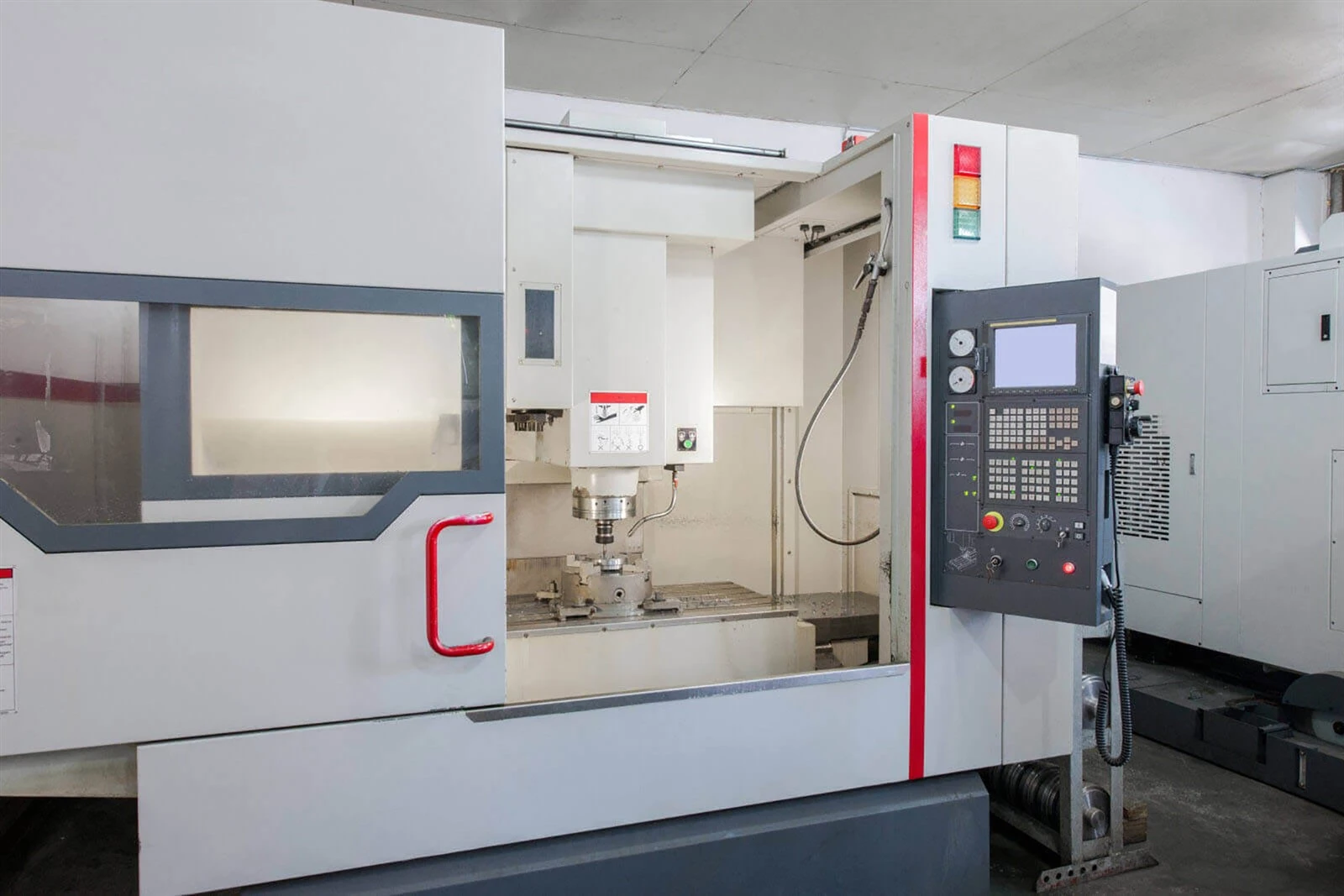
Adapting for Success: CNC Machining's Role in Flexible Custom Manufacturing
May 11, 2024
Leave a message
A. Background and Definition of CNC Machining Technology:
CNC (Computer Numerical Control) machining is a manufacturing process that utilizes computerized controls to operate machine tools and produce precise components. It has revolutionized traditional manufacturing methods by offering high precision and automation.
B. Introduction to the Topic:
In today's dynamic market landscape, the ability to adapt and respond quickly to changing customer demands is crucial for businesses. This article explores how CNC machining technology provides flexible manufacturing solutions, unlocking its potential to meet the diverse needs of customization.
Overview of CNC Machining Flexibility
A. Core Advantages of CNC Machining: Flexibility and Programmability:
CNC machining offers unparalleled flexibility and programmability, allowing manufacturers to produce a wide range of components with precision and consistency. Its ability to adapt to various production requirements makes it a versatile solution for customized manufacturing.
B. Adaptation to Changing Market Demands and Production Requirements:
CNC machining technology is designed to accommodate fluctuations in market demands and production requirements. With the ability to quickly reconfigure machining operations and adapt to new design specifications, CNC machines ensure agility in manufacturing processes.
Applications of CNC Machining in Customized Manufacturing
A. Case Studies in Automotive Industry:
In the automotive industry, CNC machining is widely utilized for producing custom components such as engine parts, transmission components, and chassis components. These components are tailored to meet specific design and performance requirements, ensuring optimal vehicle performance and customer satisfaction.
B. Success Stories in Furniture Industry:
CNC machining enables the production of custom-designed furniture pieces with intricate details and unique aesthetics in the furniture industry. From bespoke woodwork to personalized upholstery, CNC machining offers furniture manufacturers the flexibility to create products that reflect individual customer preferences.
C. Exploration of Medical Device Customization:
The medical device industry relies on CNC machining for the production of custom implants, prosthetics, and surgical instruments. These medical devices are tailored to fit the unique anatomical characteristics of individual patients, ensuring precise fit and optimal functionality.
Impact of CNC Machining on Production Flexibility and Efficiency
A. Enhancement of Production Flexibility and Responsiveness:
CNC machining enhances production flexibility and responsiveness by enabling rapid reconfiguration of machining operations. Manufacturers can easily switch between different production tasks and adjust production schedules to meet changing customer demands and market fluctuations.
B. Optimization of Production Efficiency and Resource Utilization:
CNC machining optimizes production efficiency and resource utilization by minimizing material waste and reducing production lead times. Its precise control over machining operations ensures consistent quality and reduces the need for manual intervention, resulting in higher productivity and cost savings.
Future Trends and Prospects of CNC Machining
A. Integration of CNC Technology with Smart Manufacturing:
The integration of CNC technology with smart manufacturing concepts such as IoT (Internet of Things) and AI (Artificial Intelligence) is a growing trend. This integration enhances manufacturing efficiency, predictive maintenance, and product quality, paving the way for the next generation of customized manufacturing solutions.
B. Outlook on CNC Machining's Future in Customized Manufacturing:
The future of CNC machining in customized manufacturing looks promising, with advancements in technology driving innovation and expanding application areas. As businesses continue to prioritize customization and agility, CNC machining will remain a key enabler of flexible manufacturing solutions.
Conclusion
A. Summary of CNC Machining's Role in Flexible Manufacturing:
CNC machining technology offers flexible manufacturing solutions that empower businesses to meet the diverse needs of customization. Its ability to adapt to changing market demands, enhance production efficiency, and drive innovation underscores its significance in modern manufacturing.
B. Emphasis on the Continued Evolution of CNC Machining Technology:
As CNC machining technology continues to evolve, it will play an increasingly vital role in shaping the future of customized manufacturing. By embracing the potential of CNC machining, businesses can stay ahead of the curve and remain competitive in the dynamic marketplace.