

The deformation of CNC aluminum alloy parts
May 29, 2020
Leave a message
In China's mechanical processing industry, due to the deformation of the workpiece during processing, it will affect the size and shape tolerance of the parts. Through high-speed, low feed and low cutting depth processing methods, all relevant dimensions of the part can be processed in one clamping, thereby reducing deformation caused by excessive cutting force during part processing and avoiding errors caused by deformation , Improve the dimensional accuracy and shape accuracy of parts. So how to prevent the deformation of aluminum alloy workpieces in the processing of our CNC aluminum alloy parts?
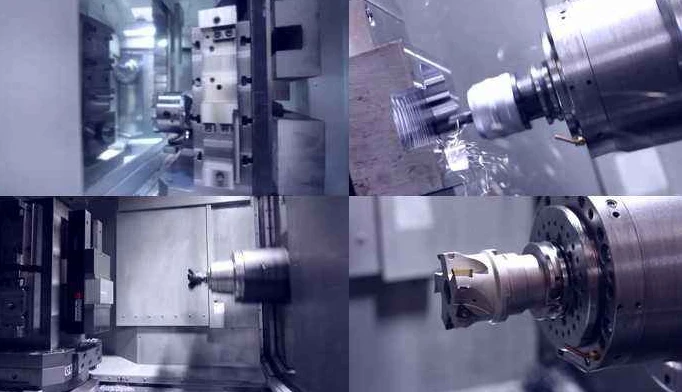
As for how to solve the problems of aluminum alloy parts processing, I believe that all the friends who are engaged in the machining industry want to know about the difficult solutions of CNC aluminum alloy parts processing. The solution can be eradicated from the cause. This is the general idea of solving the problem, so that we can also use it here.
First, the deformation of aluminum alloy parts:
During the processing of parts, due to the effect of internal stress, especially non-ferrous light metals such as aluminum and magnesium alloys often deform during the processing. Phenomenon caused by internal stress, such as warpage, side bending and torsion, occurs from time to time, which seriously affects the processing quality and efficiency of parts, especially thin-walled and thin-plate parts. How to reduce or eliminate the deformation of parts to ensure product quality and production efficiency.
Second, the reason analysis:
In order to improve the processing and serviceability of aluminum alloys, it is necessary to use heat treatment (quenching + aging treatment) to increase the strength of aluminum alloys before processing. The material has large internal stress during the quenching process, and the internal stress generated during the aging process cannot be completely released.
In the subsequent machining process, new cutting stress will be generated. With the continuous removal of materials, the equilibrium state of internal stress is broken, and the internal stress is redistributed until a new equilibrium process is reached, causing the part to deform, thereby causing the part to lose proper machining accuracy. In addition, when the stress on the surface of the part exceeds the strength limit of the material, cracks will occur.
Third, solve the CNC aluminum alloy parts processing problems:
Aiming at the above reasons, the "jacketing" method is used to process aluminum alloy thin-wall and thin-plate parts. The "nesting" method is a method of machining parts with blanks processed in one size after one clamping.
The nesting process includes: upper milling → rough cavity inside milling → rough outline milling → fine milling outside contour → fine milling inside cavity → fine milling on the bottom → point (drill) hole → cutting and other processes.
Because the whole process is completed by one-time clamping, before cutting, due to the connection between the part and the bottom surface of the blank, the generation of internal stress will not cause large deformation of the part, and the size of the part is stable throughout the process.
When cutting, the blank and the part material must have a 0.1mm bond on the bottom surface to ensure that the part has sufficient strength to resist the cutting stress generated during the entire "nesting" process.
After the part is cut from the blank, due to stress relief, the part is deformed, and the relative size of the part remains unchanged, only the calibration process needs to be increased to make the bottom surface flat, and all sizes and shapes can be restored to the correct.