Revolutionizing Manufacturing: How Software Drives CNC Machining Efficiency and Precision
Nov 29, 2023
Leave a message
In the contemporary realm of manufacturing, Computer Numerical Control (CNC) machining stands as a cornerstone, revolutionizing how items are fabricated. Central to this revolution is the role of software - a driver of innovation and precision in CNC processes. This article delves into the multifaceted role of software in CNC machining, from intricate design to the finesse of production.
Overview of CNC Machining
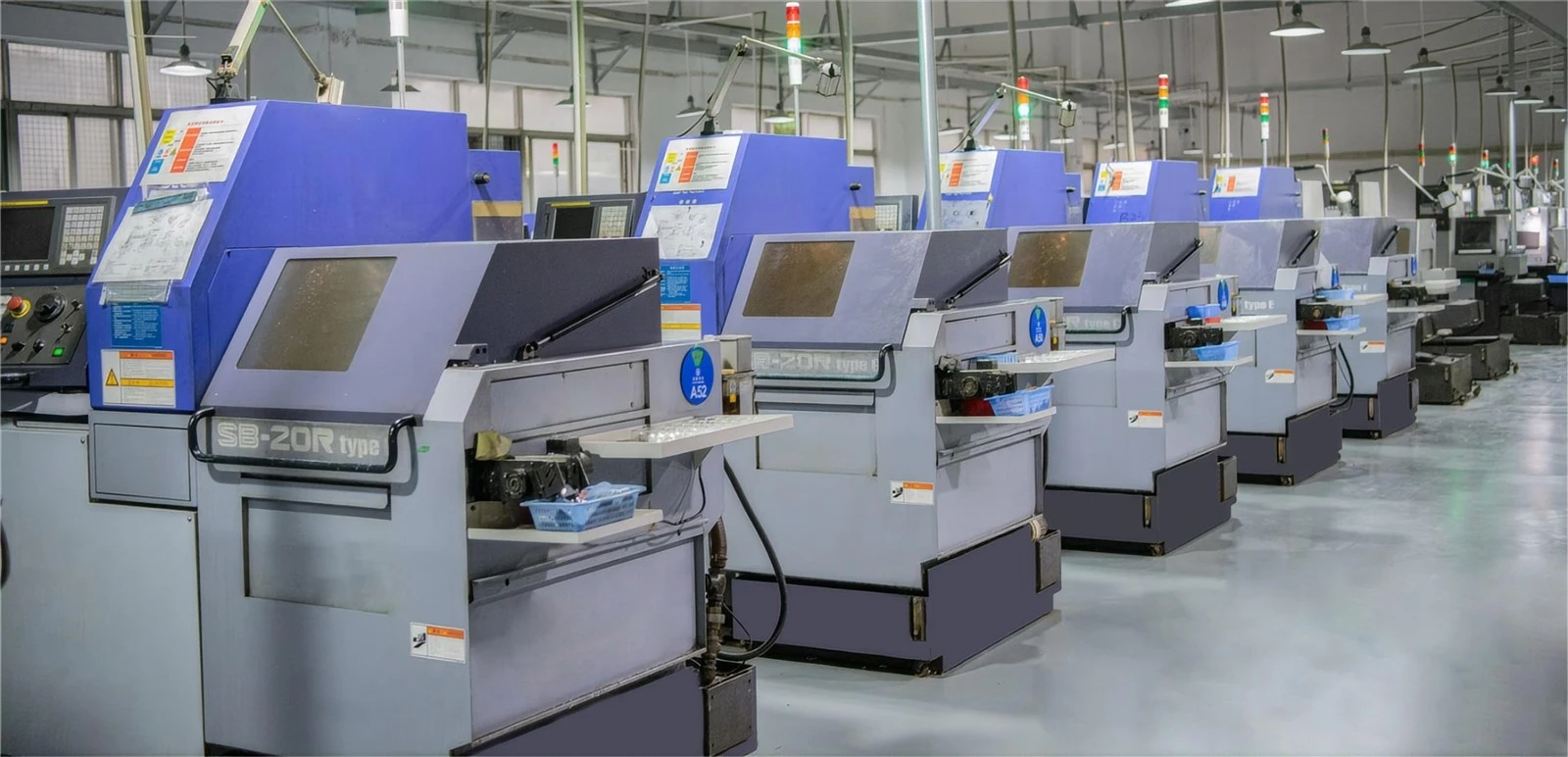
CNC machining, a process where pre-programmed software dictates the movement of factory tools and machinery, has reshaped manufacturing. This method provides unparalleled accuracy and repeatability in producing complex parts, making it indispensable in industries ranging from aerospace to automotive.
The Role of Software in CNC Machining
Design Software (CAD)
Computer-Aided Design (CAD) software lays the foundation in the CNC process. It enables engineers to create detailed 3D models of parts, ensuring precision from the outset. CAD systems not only facilitate the visualization of complex geometries but also enable modifications before any physical manufacturing takes place.
Programming Software (CAM)
Transitioning from design to production, Computer-Aided Manufacturing (CAM) software plays a critical role. It converts 3D CAD models into a set of machine instructions (G-code), which guide the CNC machine. CAM software optimizes the toolpaths for efficient cutting, reducing production time and material wastage.
Machine Control Software
At the heart of CNC machines is the control software, the interface where operators input the CAM-generated instructions. This software controls all aspects of the machining process, including spindle speed, feed rate, and toolpath. Fine-tuning these parameters via software ensures the highest level of precision in the final product.
Simulation and Testing Software
Before actual machining, simulation software plays a vital role in preempting errors. It provides a virtual run of the CNC program, highlighting potential collisions or errors in the toolpath. This proactive approach minimizes costly mistakes and material waste, proving to be a cost-effective step in the CNC process.
The Future of Software in CNC Machining
The future of CNC machining software is intertwined with emerging technologies like Artificial Intelligence (AI) and Machine Learning (ML). These advancements promise to enhance the capabilities of CNC machines, bringing about greater automation and flexibility. The integration of AI can lead to adaptive machining processes, where the software can make real-time adjustments based on sensor feedback, further optimizing the manufacturing process.
Conclusion
Software in CNC machining is not just a tool; it's a game-changer. It bridges the gap between digital design and physical production, ensuring accuracy, efficiency, and innovation. As software technology continues to evolve, so too will the capabilities and applications of CNC machining, cementing its place as a pillar of modern manufacturing.