Precision Within: How Hypotubes Elevate Implantable Medical Devices
Dec 06, 2023
Leave a message
The field of implantable medical devices is a realm where precision can be a matter of life and death. These devices, ranging from cardiac pacemakers to neural interfaces, have the potential to enhance and even save lives. However, to achieve their goals successfully, they must operate with pinpoint accuracy within the complex and dynamic environment of the human body. In this exploration, we delve into the indispensable role played by hypotubes in elevating implantable medical devices to new heights of precision, reliability, and patient safety.
Implantable Medical Devices: An Overview
Implantable medical devices, often unseen but life-changing, have revolutionized healthcare. From cardiac implants that regulate heart rhythms to neural interfaces that restore mobility, these devices cater to a wide array of medical needs. Their importance lies not only in their functionality but also in their ability to seamlessly integrate with the human body, reducing trauma, and enhancing patient outcomes.
The Need for Precision
Precision is the bedrock upon which implantable medical devices are built. The human body is a complex and dynamic environment, and any deviation from precision can have dire consequences. Precision ensures that these devices perform their intended functions reliably, enhancing patient safety and well-being. It allows for longer device lifespans, reducing the need for replacements or revisions.
Hypotubes Unveiled
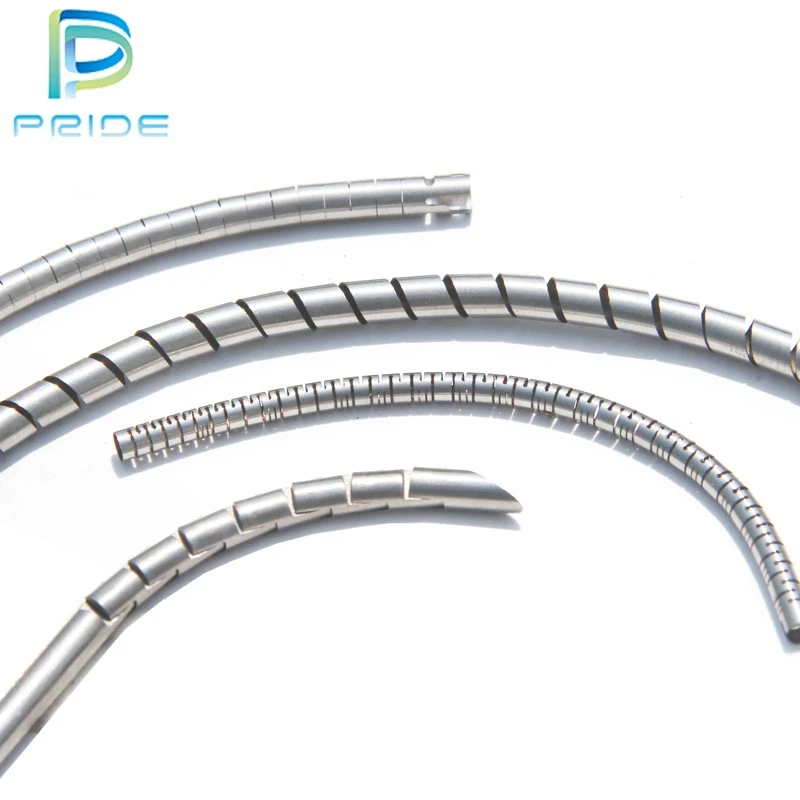
At the heart of precision within implantable medical devices lies the unassuming hypotube. These slender tubes, often measuring less than a millimeter in diameter, possess remarkable properties that make them ideal for medical applications. Hypotubes are typically fabricated from materials like stainless steel or nitinol, renowned for their biocompatibility and resistance to corrosion. However, their true distinguishing feature is their ultra-thin dimensions, which enable the creation of exquisitely precise medical instruments and devices.
Structural Support and Functionality
Within implantable devices, hypotubes provide crucial structural support. They serve as pathways for fluid flow, conduits for electrical signals, or frameworks for device components. Their thin profiles make them particularly suited for intricate tasks within the confined spaces of the human body. In cardiac implants, hypotubes enable precise electrical conduction, while in neural interfaces, they facilitate communication with the nervous system.
Biocompatibility and Safety
Biocompatibility is paramount in implantable devices, as the human body must accept them without adverse reactions. Hypotubes, with their biocompatible materials, ensure that they harmonize with the body's natural functions. They minimize the risk of inflammation, rejection, or other complications, making them essential components in implantable devices.
Cardiac Implants and Hypotubes
Cardiac implants like pacemakers and defibrillators exemplify the critical role of hypotubes. These devices require precise electrical conduction and lead placement. Hypotubes ensure that electrical signals reach their intended destinations accurately, regulating heart rhythms and saving lives. Real-world success stories underscore the importance of these devices in cardiology.
Neurological Implants and Hypotubes
In the realm of neurology and neurosurgery, precision is non-negotiable. Hypotubes support the development of devices like deep brain stimulators and neural interfaces, where targeting accuracy is paramount. These devices have transformed the lives of patients with conditions like Parkinson's disease, restoring mobility and improving quality of life.
Orthopedic and Orthodontic Innovations
Precision extends to orthopedic and orthodontic implants, such as joint replacements and dental devices. Hypotubes contribute to the accuracy of these implants, ensuring that patients regain mobility and dental health with minimal discomfort. The use of hypotubes in orthopedics has ushered in a new era of prosthetic limbs and joint replacements.
Challenges in Hypotube Manufacturing
Manufacturing hypotubes to meet the stringent requirements of the medical industry is not without its challenges. Achieving consistent wall thickness, surface finish, and dimensional accuracy at such small scales demands advanced machining techniques. Methods like laser cutting and electrochemical machining (ECM) are employed to craft hypotubes with unparalleled precision. Rigorous quality control measures guarantee the reliability of these critical components.
Future Frontiers
As technology continues to advance, the future of implantable medical devices holds exciting possibilities. Emerging trends include smart implants that can monitor and adjust their functionality in real-time. Additionally, biointegrated devices that seamlessly meld with the body's natural processes are on the horizon. The quest for precision within the realm of healthcare is an enduring one, and hypotubes will remain at the forefront of this pursuit.
Conclusion
In conclusion, implantable medical devices are testaments to the marriage of precision and innovation in healthcare. The transformative role of hypotubes in enhancing the accuracy, reliability, and safety of these devices cannot be overstated. From regulating heart rhythms to restoring mobility and dental health,
hypotubes are the unsung heroes that enable these medical miracles. Their ultra-thin profiles and biocompatible materials make them the ideal choice for intricate tasks within the human body.
As we look to the future, the role of hypotubes in implantable medical devices is set to expand even further. The healthcare industry is on the cusp of groundbreaking innovations, including nanoscale applications and smart implants that can revolutionize patient care. The pursuit of precision in healthcare remains steadfast, and hypotubes will continue to be the driving force behind these advancements.
In closing, precision within implantable medical devices not only elevates their performance but also enhances the lives of countless patients. The partnership between cutting-edge technology and the unassuming hypotube underscores the remarkable potential of medical innovation. It is a testament to the unwavering commitment to improving patient well-being and ensuring that healthcare continues to advance into new frontiers of precision and excellence.