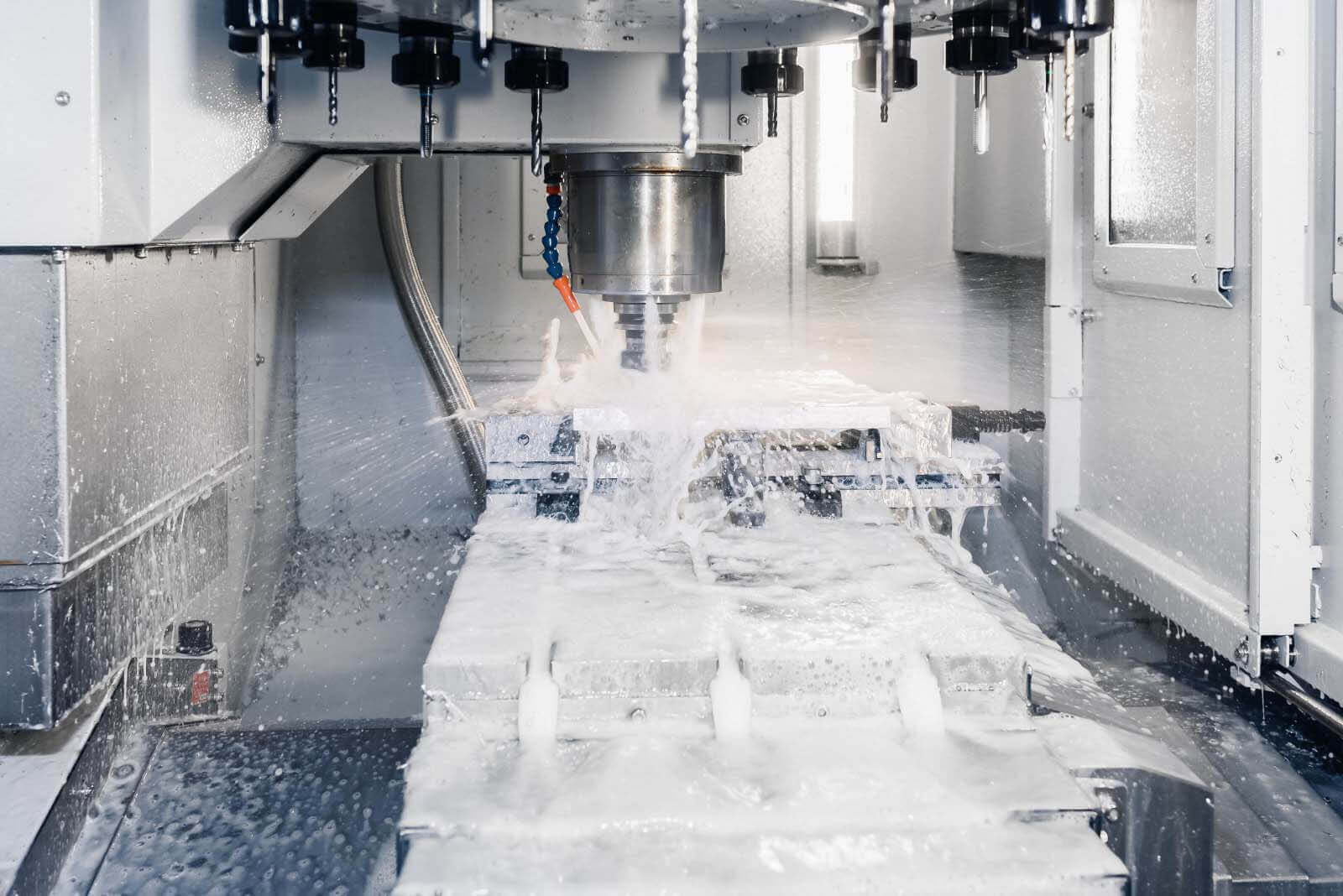
Precision Tailoring: How CNC Machining Empowers Customized Manufacturing
May 11, 2024
Leave a message
A. Definition and Background of CNC Machining Technology:
CNC (Computer Numerical Control) machining is a manufacturing process that utilizes computerized controls to operate and manipulate machine tools. It has revolutionized traditional manufacturing methods by providing precise and automated solutions.
B. Introduction to the Topic:
In today's competitive market, customization has become increasingly important for businesses to meet the unique needs and preferences of consumers. CNC machining plays a pivotal role in enabling tailored manufacturing processes to address these demands.
Overview of CNC Machining Technology
A. Basic Principles and Workflow of CNC Machining:
CNC machining involves converting digital designs into physical objects by controlling the movement of tools and machinery. This process utilizes computer-aided design (CAD) and computer-aided manufacturing (CAM) software to generate instructions (G-codes) that guide the machining process.
B. Development History and Industry Application Scope:
Originating from numerical control (NC) machining in the mid-20th century, CNC machining has evolved significantly and found widespread application across various industries including automotive, aerospace, electronics, and healthcare.
Advantages of CNC Machining in Tailored Manufacturing
A. Realizing Customized Design Requirements:
CNC machining enables the production of highly customized parts and components with intricate designs and specifications. Its precision and accuracy allow for the creation of complex geometries and unique features, meeting the individual needs of customers.
B. Flexibility and Adaptability in Production:
One of the key advantages of CNC machining is its flexibility to accommodate design changes and variations. Manufacturers can easily reprogram CNC machines to produce different parts without the need for extensive retooling or setup changes, making it ideal for customized manufacturing.
C. Enhanced Production Efficiency and Quality:
CNC machining enhances production efficiency and quality by reducing human error and ensuring consistent output. Its automated processes minimize the risk of errors and defects, resulting in higher-quality products and greater customer satisfaction.
Case Studies of CNC Machining in Tailored Manufacturing across Industries
A. Customized Automotive Components Production:
CNC machining is widely used in the automotive industry for producing custom parts such as engine components, interior trim, and exterior accessories. By leveraging CNC technology, manufacturers can meet the specific design and performance requirements of different vehicle models.
B. Tailored Furniture Manufacturing:
In the furniture industry, CNC machining enables the production of bespoke furniture pieces tailored to individual preferences and spatial requirements. From intricate wood carvings to precise joinery, CNC machining allows for the creation of unique and personalized furniture designs.
C. Personalized Medical Device Fabrication:
CNC machining plays a crucial role in the medical device industry for producing custom implants, prosthetics, and surgical instruments. Its precision and accuracy ensure the precise fabrication of medical devices tailored to the unique anatomical needs of patients.
Future Trends and Prospects of CNC Machining in Tailored Manufacturing
A. Positioning CNC Machining in the Digital Manufacturing Era:
As the manufacturing industry embraces digitalization and Industry 4.0 technologies, CNC machining continues to evolve and innovate. Integration with advanced technologies such as artificial intelligence (AI) and additive manufacturing presents new opportunities for further enhancing customization capabilities.
B. Exploring Emerging Applications and Growth Opportunities:
The future of CNC machining holds promise for emerging applications in personalized consumer products, bespoke electronics, and customized industrial machinery. As businesses seek to differentiate themselves and cater to niche markets, CNC machining will play an increasingly important role in enabling tailored manufacturing solutions.
Conclusion
A. Summary of CNC Machining's Role in Tailored Manufacturing:
In conclusion, CNC machining serves as a cornerstone in tailored manufacturing by enabling highly customized and flexible production processes. Its ability to realize unique design requirements, enhance production efficiency, and adapt to changing demands positions it as a key enabler of customization in modern manufacturing.
B. Emphasis on the Continued Evolution and Importance of CNC Machining Technology:
Looking ahead, the continued evolution of CNC machining technology holds promise for driving innovation and unlocking new possibilities in tailored manufacturing. By embracing CNC machining and leveraging its capabilities, businesses can stay ahead of the curve and meet the evolving needs of customers in a dynamic market landscape.