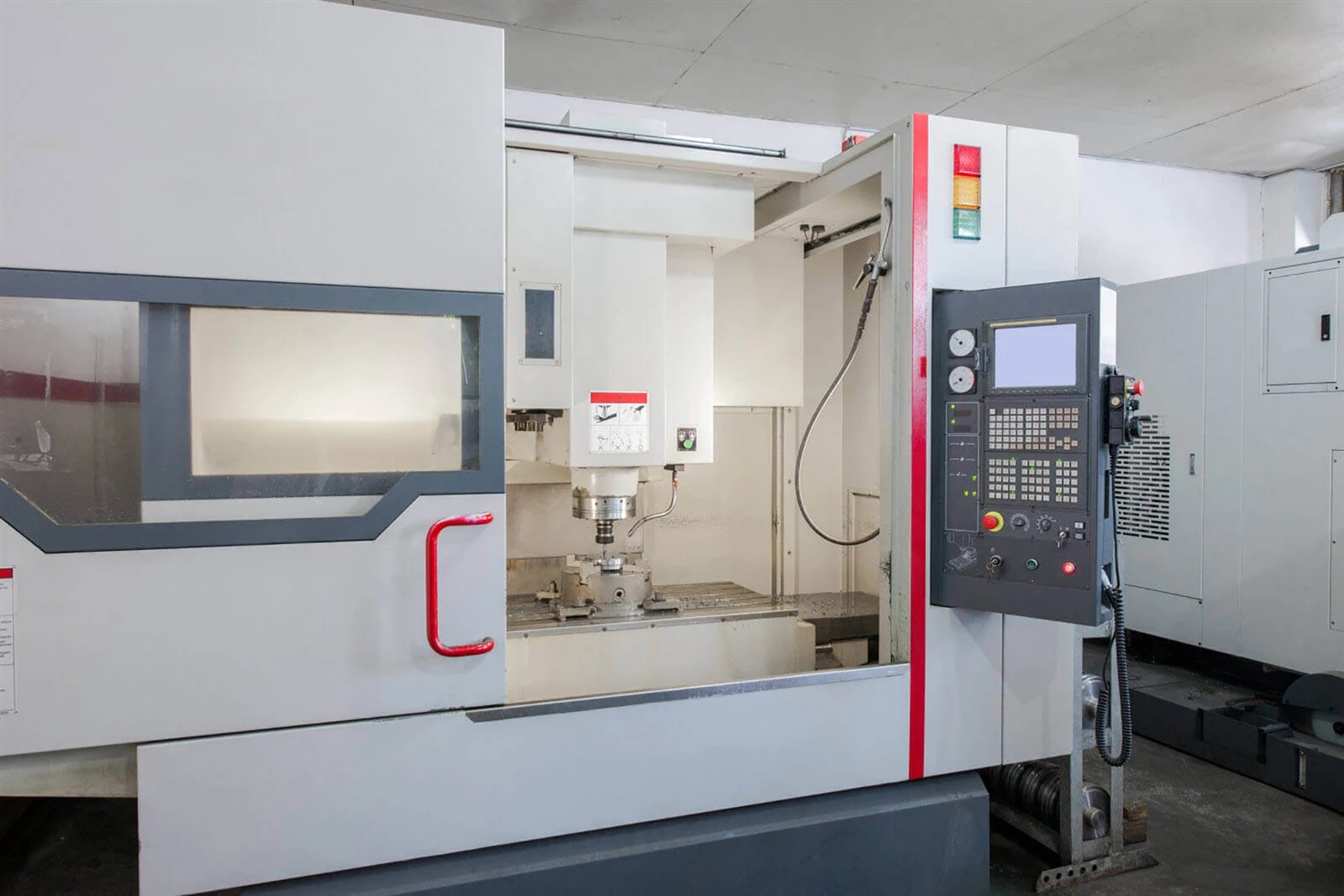
Precision Customization: How CNC Machining Meets Individual Production Needs
May 11, 2024
Leave a message
A. Definition and Background of CNC Machining Technology:
CNC (Computer Numerical Control) machining stands as a cornerstone in modern manufacturing, revolutionizing traditional production methods by automating machine tools with precise computer instructions. Its significance lies in its ability to meet individual needs and provide tailored solutions in custom production.
B. Introduction to the Topic:
In today's consumer-driven market, meeting individual needs has become increasingly important for businesses aiming to differentiate themselves and capture market share. This article aims to explore the transformative power of CNC machining in delivering customized solutions that cater to the unique requirements of each customer.
Overview of CNC Machining Technology
A. Basic Principles and Workflow of CNC Machining:
At its core, CNC machining operates on the principles of computer-aided design (CAD) and computer-aided manufacturing (CAM), where CAD models are translated into machine-readable instructions (G-codes and M-codes) to control the movement and operation of machine tools. This precise control allows for the creation of highly customized parts and components.
B. Development History and Industry Application Scope:
Originating from numerical control (NC) machining in the mid-20th century, CNC machining has evolved significantly over the years. Today, it finds application across diverse industries such as automotive, aerospace, electronics, healthcare, and more, catering to a wide range of customized production needs.
Advantages of CNC Machining in Custom Production
A. Realizing Customized Design Requirements:
One of the key advantages of CNC machining is its ability to realize highly customized design requirements with exceptional precision. Whether it's intricate patterns, complex geometries, or unique specifications, CNC machining can bring even the most intricate designs to life.
B. Flexibility and Adaptability in Production:
CNC machining offers unparalleled flexibility and adaptability in production. Manufacturers can easily reprogram CNC machines to accommodate design changes or produce new components, making it ideal for on-demand production and quick turnaround times.
C. Enhanced Production Efficiency and Quality:
By automating manufacturing processes and minimizing manual intervention, CNC machining enhances production efficiency and ensures consistent quality across all produced parts. This leads to fewer errors, reduced waste, and ultimately higher customer satisfaction.
Case Studies of CNC Machining in Custom Production across Industries
A. Customized Automotive Components Production:
In the automotive industry, CNC machining plays a crucial role in producing customized components such as engine parts, interior trim, and exterior accessories. CNC machining allows automotive manufacturers to meet the specific performance and design requirements of various vehicle models.
B. Custom Furniture Manufacturing:
In the furniture industry, CNC machining enables the production of custom-designed pieces tailored to individual preferences and spatial requirements. Whether it's intricate wood carvings or precise joinery, CNC machining ensures the highest level of craftsmanship and attention to detail.
C. Personalized Medical Device Fabrication:
In the medical device industry, CNC machining is instrumental in producing custom implants, prosthetics, and surgical instruments tailored to individual patient anatomy and medical needs. CNC machining ensures the precise fabrication of medical devices that meet regulatory standards and patient-specific requirements.
Future Trends and Prospects of CNC Machining in Custom Production
A. Positioning CNC Machining in the Digital Manufacturing Era:
As the manufacturing industry embraces digitalization and Industry 4.0 principles, CNC machining remains at the forefront of technological innovation. Integration with advanced technologies such as artificial intelligence, machine learning, and IoT presents new opportunities for further enhancing customization capabilities in manufacturing.
B. Exploring Emerging Applications and Growth Opportunities:
The future of CNC machining holds immense potential, with emerging applications in areas such as personalized consumer products, bespoke electronics, and customized industrial machinery. As businesses continue to prioritize individualized customer experiences, CNC machining will play an increasingly critical role in delivering tailored solutions to meet diverse needs and preferences.
Conclusion
A. Summary of CNC Machining's Role in Custom Production:
In conclusion, CNC machining has revolutionized custom production by offering unparalleled flexibility, precision, and efficiency. Its ability to meet individual needs and deliver tailored solutions across various industries underscores its importance in today's competitive market.
B. Emphasis on the Continued Evolution and Importance of CNC Machining Technology:
Looking ahead, the future of CNC machining is promising, with ongoing advancements driving innovation and unlocking new possibilities in custom production. By leveraging CNC machining technology, businesses can stay ahead of the curve, meet customer demands, and thrive in the dynamic landscape of modern manufacturing.