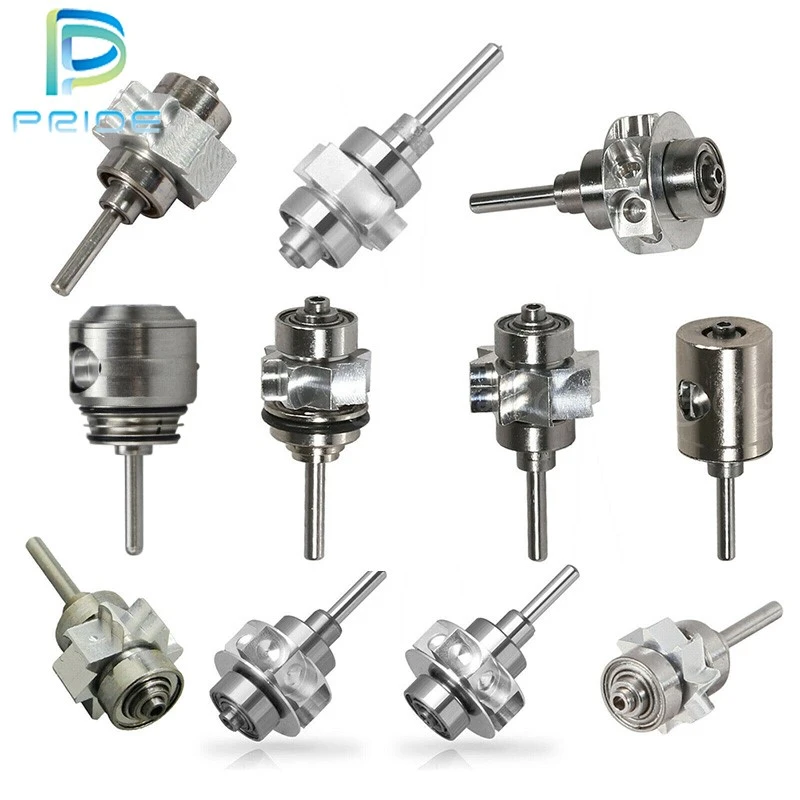
Precision Manufacturing of Dental Turbine Rotors: Quality and Innovation
Dec 29, 2023
Leave a message
The Dental Turbine Rotor is a critical component in modern dentistry, powering various dental handpieces and instruments used for procedures ranging from cavity preparation to polishing. The quality and precision of Dental Turbine Rotors are paramount for successful dental treatments. In this comprehensive article, we will delve into the intricacies of the manufacturing processes and advanced technologies that contribute to the high quality and precision of Dental Turbine Rotors.
Importance of Dental Turbine Rotor
Dental Turbine Rotors are at the heart of many dental procedures. They are responsible for the high-speed rotation of dental handpieces, which, in turn, drives instruments like drills, burs, and polishers. The quality and precision of Dental Turbine Rotors directly impact the success of dental treatments. Whether in general dentistry, orthodontics, or oral surgery, the reliability of Dental Turbine Rotors is crucial.
Basic Steps in Making a Dental Turbine Rotor
The production of Dental Turbine Rotors involves a series of carefully orchestrated steps to ensure quality and precision:
Raw Material Selection: The process begins with the selection of high-quality materials, such as advanced ceramics or corrosion-resistant stainless steel. These materials must meet stringent criteria for durability and biocompatibility.
Precision Machining: Advanced CNC (Computer Numerical Control) machining techniques are employed to create intricate components with precision. The use of CNC technology allows for the production of complex shapes and ensures uniformity across multiple units.
Assembly: The individual components of the Dental Turbine Rotor, including the rotor itself, bearings, and housing, are assembled with meticulous attention to detail. Proper assembly is critical to minimizing friction and maximizing performance.
Balancing: Each Dental Turbine Rotor undergoes a balancing process to ensure that it rotates smoothly without vibrations. Imbalances can lead to reduced lifespan and decreased precision.
Advanced material selection
The choice of materials for Dental Turbine Rotors is pivotal to their quality and performance:
Ceramics: Many modern Dental Turbine Rotors incorporate advanced ceramics, known for their exceptional hardness, wear resistance, and durability. Ceramic rotors can withstand the rigors of dental procedures without succumbing to wear and tear.
Stainless Steel Alloys: Corrosion-resistant stainless steel alloys are also commonly used. They offer excellent biocompatibility and can withstand the sterilization processes necessary for dental instruments.
Hybrid Materials: Some manufacturers experiment with hybrid materials, combining the advantages of ceramics and metals to achieve a balance of strength and precision.
Advanced manufacturing technology
The precision demanded by Dental Turbine Rotors necessitates advanced manufacturing techniques:
CNC Machining: Computer Numerical Control (CNC) machines play a central role in shaping Dental Turbine Rotor components. These machines can execute complex, three-dimensional cuts with sub-millimeter accuracy.
High-Precision Grinding: Grinding processes ensure the components are perfectly smooth and uniform, reducing friction and minimizing heat generation during operation.
Advanced Coatings: Some Dental Turbine Rotors receive specialized coatings to enhance their performance. These coatings may reduce friction, improve wear resistance, or enhance biocompatibility.
Quality control and inspection
Stringent quality control measures are implemented at various stages of production:
Dimensional Checks: Precise measurements are taken to verify that each component meets the specified tolerances.
Visual Inspection: Components are visually inspected for any imperfections or anomalies.
Dynamic Balancing: The dynamic balancing process ensures that each Dental Turbine Rotor is perfectly balanced, reducing vibrations and noise during operation.
Performance Testing: Dental Turbine Rotors undergo rigorous performance testing to assess their speed, torque, and overall functionality.
Future trends in manufacturing processes
The future of Dental Turbine Rotor manufacturing holds exciting possibilities:
3D Printing: Additive manufacturing techniques, such as 3D printing, may revolutionize rotor production by allowing for intricate designs and customization.
Automated Assembly: Advances in automation could lead to more efficient and precise assembly processes, further improving quality.
Smart Materials: The integration of smart materials that can self-monitor and adjust performance could enhance the longevity of Dental Turbine Rotors.
Practical cases and success stories
Real-world examples illustrate the impact of advanced manufacturing processes:
Case 1: Ceramic Precision: Dr. Smith's practice saw improved patient outcomes after switching to Dental Turbine Rotors with advanced ceramic components. The precision allowed for faster and more accurate procedures.
Case 2: Extended Lifespan: A dental clinic in Chicago reported a significant reduction in maintenance costs and replacement needs after adopting Dental Turbine Rotors with high-quality stainless steel components.
conclusion
In conclusion, the manufacturing processes and advanced technologies employed in the production of Dental Turbine Rotors are critical to ensuring their quality and precision. These precision components are at the core of successful dental treatments, and their reliability is paramount in various dental specialties. As technology continues to advance, the future holds the promise of even more precise and efficient Dental Turbine Rotors, ultimately benefiting both dental professionals and patients.