Dental Equipment Innovation: Transforming Dentistry's Future
Dec 29, 2023
Leave a message
Dental equipment has come a long way since the early days of dentistry. Today, technological innovations are transforming the field, with a particular focus on improving patient care and treatment outcomes. In this comprehensive article, we'll explore the dynamic landscape of dental equipment innovation and the future trends that are shaping the industry. We'll also delve into the pivotal role played by Dental Turbine Rotors in this evolution and how these innovations are enhancing the overall patient treatment experience.
Dental equipment innovation background
To appreciate the current state of dental equipment innovation, it's essential to look back at the field's history. Early dental tools were rudimentary and often uncomfortable for patients. Over time, advancements in technology and materials have revolutionized the industry. Today, dental professionals have access to cutting-edge equipment that enables more precise diagnostics and minimally invasive treatments. This background sets the stage for the pressing need for continued innovation.
Current innovation trends
The dental industry is experiencing a wave of innovation that is reshaping the way dental care is provided. Some key current trends in dental equipment innovation include:
Digital Dentistry: Digital imaging and CAD/CAM technology have made it possible to create precise, custom-fitted dental restorations like crowns and bridges. This not only reduces treatment time but also enhances the accuracy of restorations.
Smart Diagnostic Tools: Advanced diagnostic tools, such as intraoral scanners and 3D imaging, enable dentists to diagnose issues more accurately and at earlier stages. This early detection can lead to more effective treatment.
Minimally Invasive Techniques: Dental equipment has evolved to support minimally invasive procedures, reducing the need for extensive drilling and preserving more natural tooth structure.
Key Roles of Dental Turbine Rotor
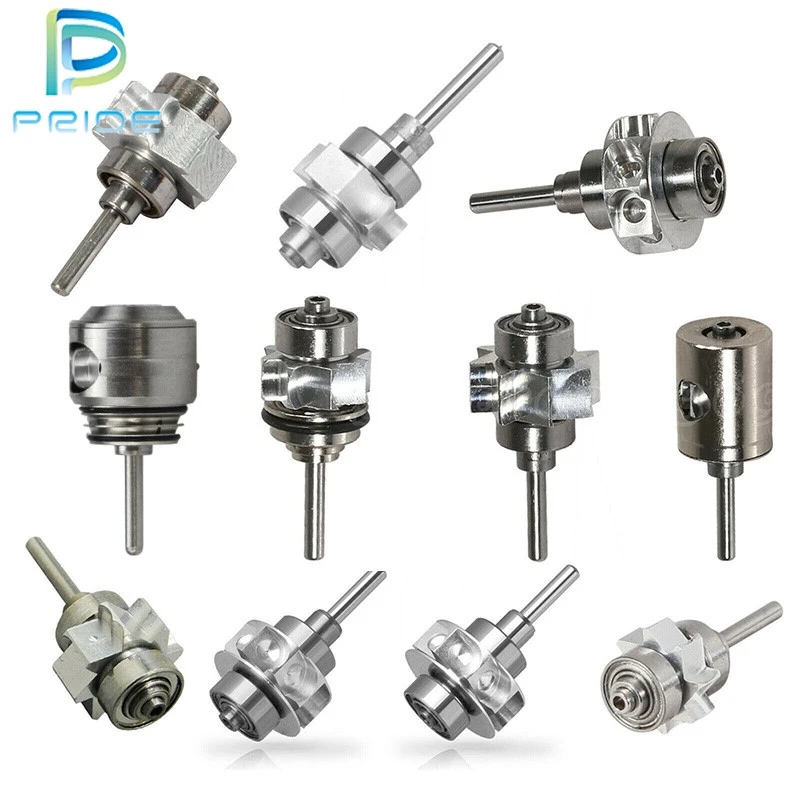
Among the essential components of dental equipment is the Dental Turbine Rotor. This high-speed, handheld device is integral to many dental procedures. Its role is to power various attachments, such as drills and polishers, enabling dentists to perform tasks with precision and efficiency.
Dental Turbine Rotor Innovations: The Dental Turbine Rotor has undergone significant innovations in recent years. High-speed ceramic rotors have replaced traditional steel rotors, offering improved durability and reduced heat generation. These innovations not only enhance the lifespan of the equipment but also contribute to better patient outcomes.
Precision and Control: Dental Turbine Rotors play a crucial role in ensuring that dental procedures are carried out with precision and control. This is especially important for tasks such as cavity preparation, crown placement, and polishing, where even slight deviations can impact treatment success.
Improvements in patient treatment experience
The advancements in dental equipment, including Dental Turbine Rotors, have a direct impact on the patient treatment experience:
Reduced Discomfort: Minimally invasive techniques made possible by precise equipment reduce patient discomfort during procedures. Less drilling and more accurate treatments result in a more pleasant experience for the patient.
Shorter Treatment Times: Improved equipment allows for quicker, more efficient procedures. Patients spend less time in the chair, reducing anxiety and inconvenience.
Better Outcomes: Enhanced diagnostic tools and precise equipment contribute to better treatment outcomes. Patients can expect more predictable results and longer-lasting restorations.
Future Prospects and Trends
Looking ahead, the dental equipment industry shows no signs of slowing down. Some exciting future trends include:
Wearable Technology: Dentists may soon have access to wearable devices that provide real-time patient data during procedures, allowing for immediate adjustments and more personalized care.
3D Printing: The use of 3D printing in dentistry is expanding, enabling the fabrication of dental prosthetics and orthodontic devices with unmatched precision.
Telehealth and Remote Diagnostics: The integration of telehealth platforms and remote diagnostic tools will enable dentists to provide consultations and monitor patients' oral health remotely.
Practical cases and success stories
To illustrate the real-world impact of dental equipment innovation, let's explore some success stories:
Case 1: Early Detection Saves a Smile: Dr. Anderson used advanced diagnostic tools to detect a small cavity in a patient's molar. The minimally invasive procedure saved the tooth and prevented more extensive treatment.
Case 2: Precision in Prosthodontics: Prosthodontist Dr. Ramirez relied on 3D printing technology to create a custom dental implant for a patient. The result was a perfectly fitted, functional restoration.
These cases underscore how innovation is enhancing patient care in dentistry.
Future requirements for the dental profession
Different dental specialties have unique requirements for dental equipment. Orthodontists may need specialized diagnostic tools, while oral surgeons may require precise surgical instruments. Innovations must continue to adapt to meet these diverse needs.
conclusion
In conclusion, the landscape of dental equipment innovation is continually evolving. Dental professionals are benefiting from advancements in technology and materials that enhance their ability to provide precise, efficient, and comfortable care. Dental Turbine Rotors, as critical components, are playing a pivotal role in this transformation, ensuring that patients receive the best possible treatment experience. As we look to the future, the prospects for further innovation are exciting, promising improved oral health and patient care.