

How to Understand These Materials in 5 Minutes?
Dec 13, 2024
Leave a message
I Steel and Carbon Steel
Steel includes various metal alloys and is a widely used material in many applications. It is mainly divided into carbon steel and stainless steel, both of which share iron and carbon as their basic components. However, they differ in the alloying elements.
Carbon steel typically contains less than 10.5% chromium, while stainless steel must contain at least 10.5% chromium. These differences make each type of steel unique.
This article aims to clarify the differences between these two steels, outline their unique properties, and guide you in selecting the metal that best suits your needs.
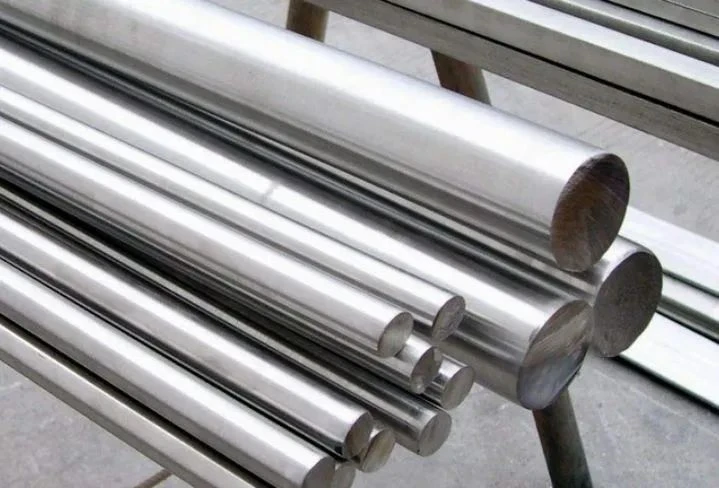
▲ Stainless steel
II What is Carbon Steel?
Carbon steel is a type of steel primarily composed of iron and carbon, with trace amounts of other elements. It is one of the most widely used and versatile materials in various industries.
The carbon content in carbon steel typically ranges from 0.05% to 2.0%, and it plays a crucial role in determining the steel's hardness, strength, and other mechanical properties.
The manufacturing process involves melting iron ore and carbon in a furnace. The carbon imparts ideal properties to the steel, but its final performance can be further adjusted with additional alloying elements and heat treatments.
Carbon steel is known for its durability, strength, and cost-effectiveness, making it suitable for a wide range of applications, including construction, automotive, piping, and tools.
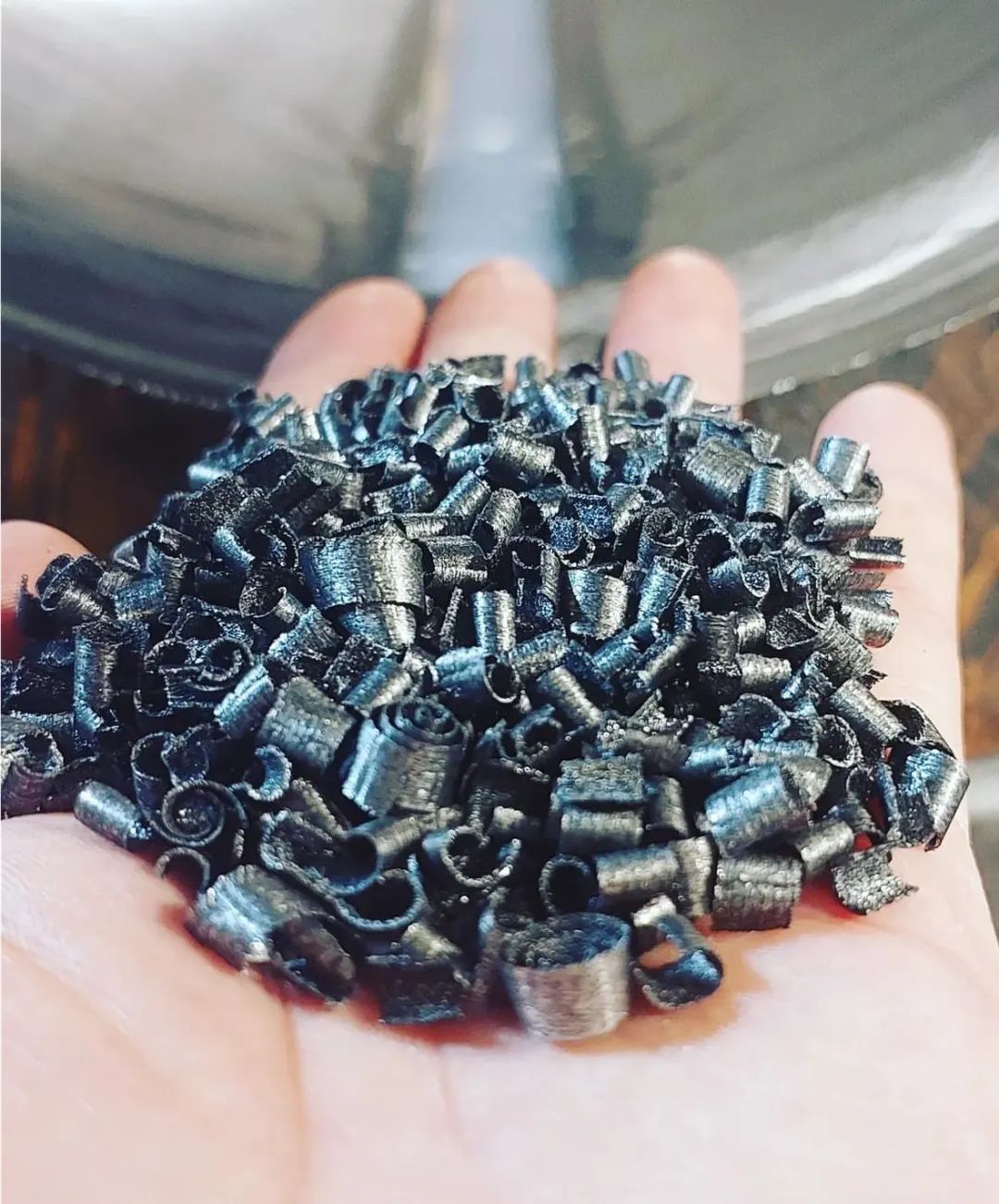
▲ Carbon steel
III Is Carbon Steel Stronger than Stainless Steel?
In general, carbon steel is usually considered stronger than stainless steel because it contains more carbon. The strength of carbon steel is influenced by its composition, while stainless steel is alloyed with chromium to resist corrosion, which may slightly reduce its overall strength.
The choice between them depends on the intended use and specific application requirements.
Carbon steel is the preferred choice for strength, while stainless steel is valued for its corrosion resistance, making it suitable for environments where corrosion is a concern.

▲ Carbon steel
IV What Makes Carbon Steel So Tough?
The toughness of carbon steel is attributed to its higher carbon content, which enhances its hardness and strength. The presence of carbon molecules forms a strong crystalline structure, allowing the material to withstand stress and impact.
This increased hardness makes carbon steel resilient, making it well-suited for demanding applications such as construction and manufacturing.
Heat treatment further optimizes its toughness, allowing customization of mechanical properties to meet specific requirements. Essentially, the higher carbon content and versatile performance customization make carbon steel exceptionally tough.
V Does Carbon Steel Rust?
Yes, carbon steel rusts when exposed to air and moisture, forming iron oxide (rust). To prevent rust, protective coatings such as paint should be applied, and regular maintenance such as cleaning and oiling is necessary.
If corrosion resistance is critical, chromium-containing stainless steel is a better choice because it has strong rust resistance.
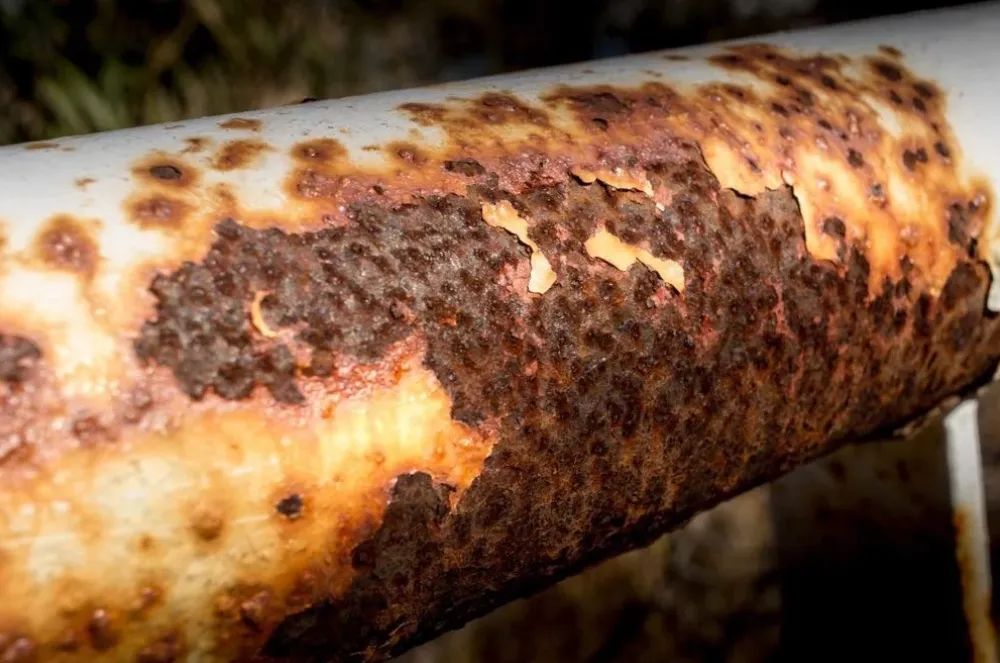
▲ Iron Oxide (rust)
VI Uses of Carbon Steel
Carbon steel is widely used across industries for its versatility and durability. In construction, it is the material of choice for beams, columns, and reinforcement due to its high strength and cost-effectiveness.
In the automotive industry, carbon steel is used for chassis, body panels, and suspension components, benefiting from its strength and formability. In manufacturing, its toughness and machinability make it widely used in machinery, tools, and equipment.
In the energy sector, carbon steel is essential for pipelines, oil rigs, and transmission structures due to its robustness. Everyday items such as household tools, cutlery, and cookware are also made from carbon steel, valued for its durability and thermal conductivity.
From construction to daily use, carbon steel plays a vital role in many aspects of our lives.
VII What is Stainless Steel?
Stainless steel is a steel alloy that contains at least 10.5% chromium, which contributes to its unique properties. The chromium in stainless steel forms a protective oxide layer on the surface, giving it excellent corrosion resistance. This alloy may also include other elements such as nickel, molybdenum, and titanium to enhance its mechanical and chemical properties.
Stainless steel is known for its rust resistance, corrosion resistance, and stain resistance, making it a popular choice for various applications, especially in environments where exposure to moisture or harsh conditions is common.
It is widely used in the manufacturing of kitchen utensils, cutlery, jewelry, medical instruments, building materials, and industrial equipment. Stainless steel comes in different grades and types, each tailored for specific purposes based on its composition and performance.
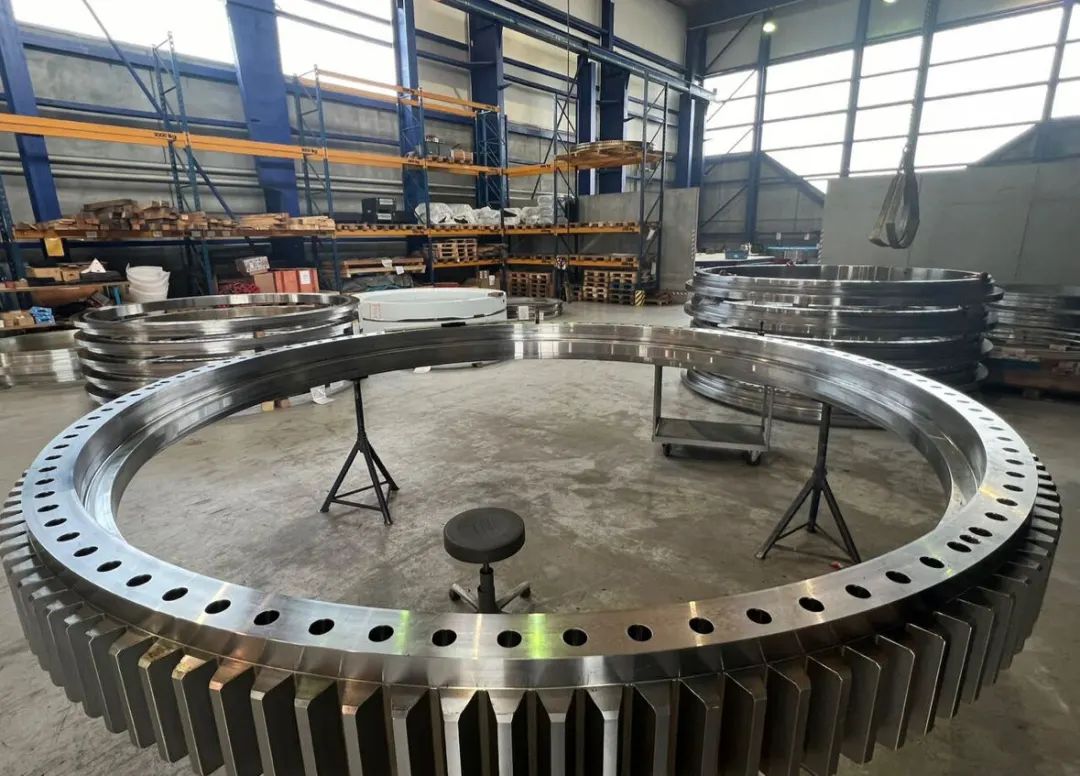
▲ Stainless steel Product
VIII What Makes Stainless Steel Rust-Resistant?
Stainless steel is inherently rust-resistant due to its chromium content. When exposed to oxygen, it forms a thin protective oxide layer on the surface. This passive layer acts as a barrier, preventing corrosion and rust.
The addition of other alloying elements such as nickel and molybdenum further enhances the corrosion resistance of stainless steel, making it highly durable in various environments.
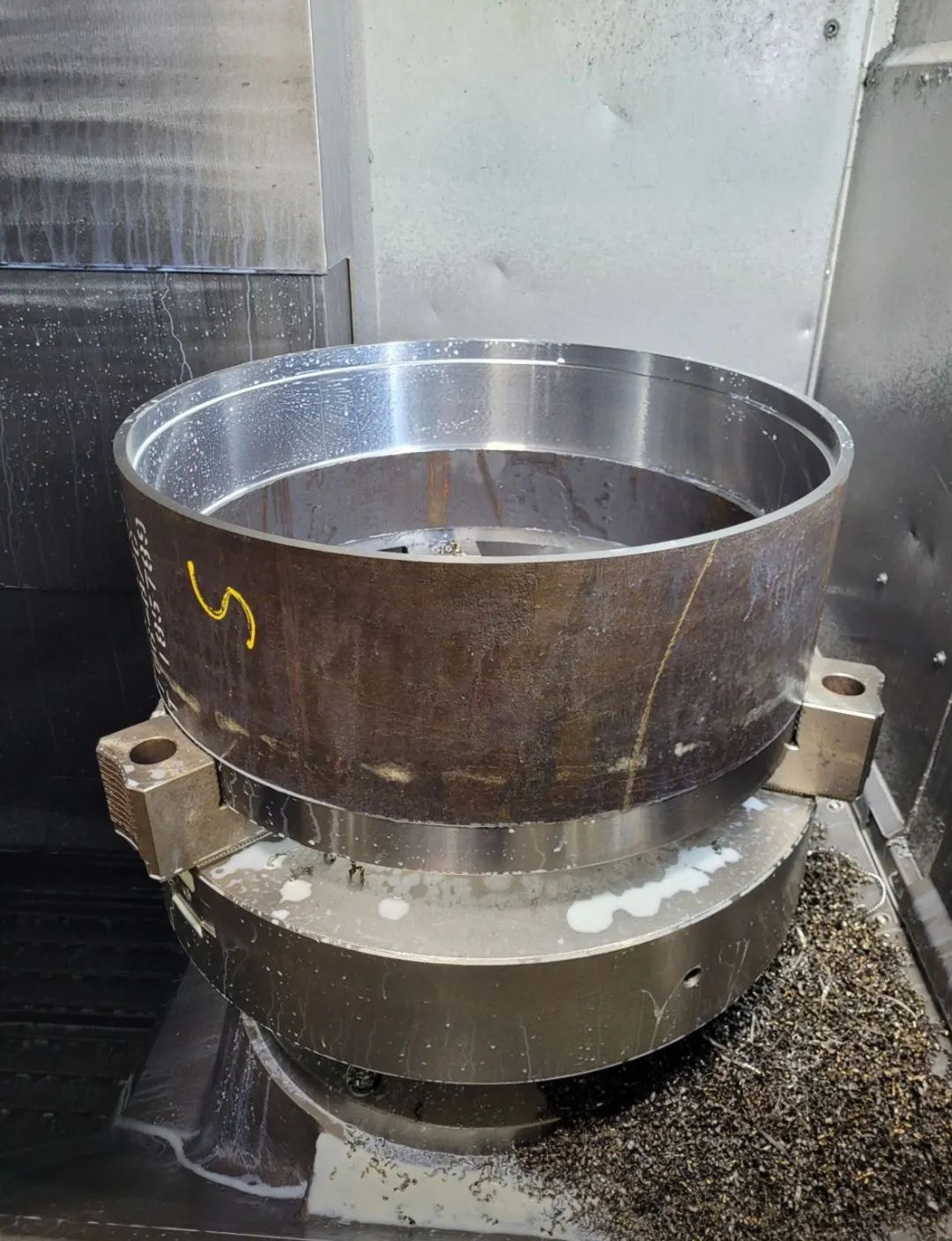
▲ Stainless Steel Added Nickel And Molybdenum
IX Uses of Stainless Steel
Stainless steel is valued for its corrosion resistance and durability and has a wide range of applications across industries. In the kitchen, it is essential for cookware and utensils, known for its hygiene and ease of maintenance. The construction industry benefits from its use in architectural features, while the medical field relies on its biocompatibility for surgical instruments.
The transportation industry uses stainless steel for corrosion-resistant exhaust systems, and the energy sector employs it in pipelines and machinery to enhance resilience. Its versatility extends to aerospace, automotive, and the arts, making it the preferred choice where strength, corrosion resistance, and aesthetics are essential.
X Stainless Steel vs Carbon Steel: Which One Should You Choose?
Stainless steel's corrosion resistance comes from its chromium content, making it ideal for applications exposed to moist or corrosive environments. In contrast, carbon steel's higher carbon content provides strength and hardness, making it suitable for applications that require high stress and impact.
The choice between carbon steel and stainless steel depends on the specific needs of the project, considering factors such as material properties, corrosion resistance, heat resistance, and cost.