

How to Turn Different Materials Like a Pro
Jun 12, 2024
Leave a message
Hey there, fellow CNC enthusiasts! Today, let's dive into the exciting world of turning, where we spin metals like magicians to create wonders. Whether you're dealing with steels, stainless steel, cast iron, heat-resistant superalloys, or non-ferrous metals like aluminum, copper, or brass, we've got you covered with some sweet tips and tricks.
1. Turning Steel
Let's start with the basics, shall we? Steel comes in various flavors - unalloyed, low-alloyed, and high-alloyed. Each type has its own quirks when it comes to machining.
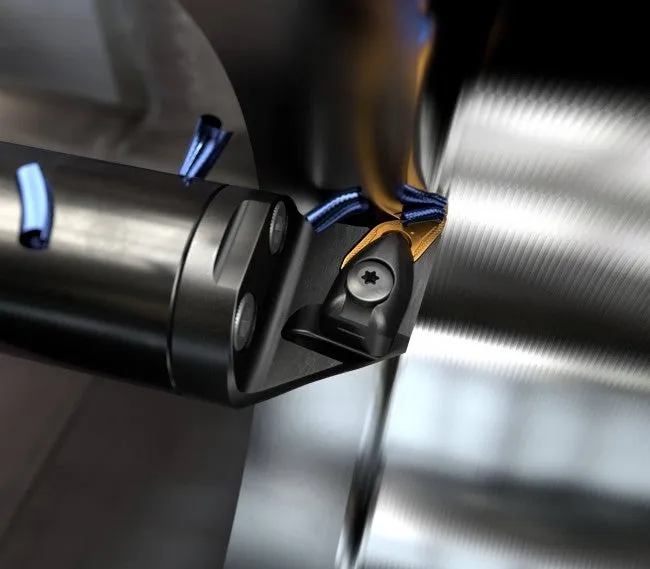
Turning Unalloyed Steel: Picture this - you're dealing with steel with a carbon content of up to 0.55%. Low-carbon ones (<0.25%) are a bit tricky with their chip breaking and tendency to smear. To tackle this, go for high feeds and consider using a wiper insert. Keep those cutting speeds high to dodge built-up edge issues.
Turning Low-Alloyed Steel: These ones depend on alloy content and hardness for machinability. Crater and flank wear are the common villains here. Opt for the right steel grades and geometries. And hey, for the hardened ones, think about using tougher grades like cast iron or ceramics.
Turning High-Alloyed Steel: Now we're talking about the heavy hitters. These steels have alloy content over 5%, and they can be a bit finicky to work with. Stick to reliable steel grades and geometries. When things get really tough, consider bringing out the big guns like cast iron or ceramics for that extra oomph.
2. Turning Stainless Steel
Ah, the shiny stuff! Stainless steel comes in different flavors too - ferritic, austenitic, and duplex. Each has its own set of rules for turning.
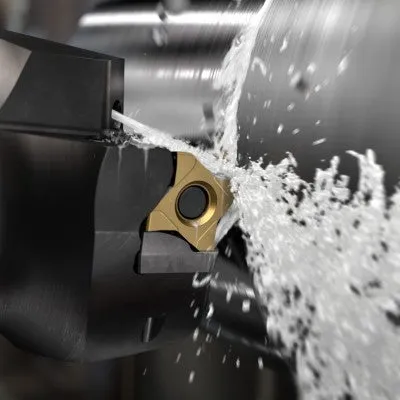
Turning Ferritic and Martensitic Stainless Steels: These babies fall under the steel material category. Stick to our stainless steel grades and geometries, and you're good to go. If you're dealing with martensitic ones in hardened conditions, think about using tough inserts like CBN.
Turning Austenitic Stainless Steels:The most common stainless steel type, these guys are a breeze to work with. Stick to our stainless steel grades for smooth sailing. And for those occasional tough spots, consider using PVD grades.
Turning Duplex Stainless Steels: These ones are a bit of a challenge with their higher alloy content. Stick to our stainless steel grades and geometries, and you'll be golden. Oh, and don't forget the coolant for chip control!
3. Turning Cast Iron
Time to get down and dirty with some cast iron. With its various types like grey, nodular, or malleable, cast iron can be a fun ride. Stick to our cast iron grades and geometries, and you'll be slicing through like a hot knife through butter.
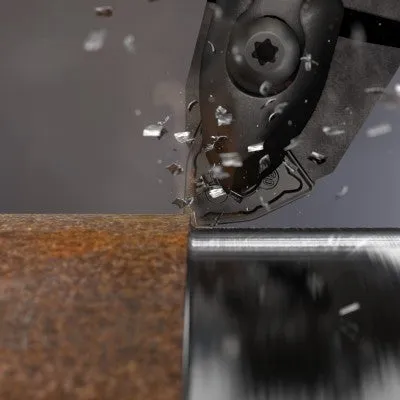
4. Turning Heat Resistant Superalloys (HRSA)
These bad boys can take the heat, but machining them requires some finesse. Whether it's nickel-based or titanium alloys, sharp edges are your best friends here. Consider using PVD and ceramic grades for that extra edge.
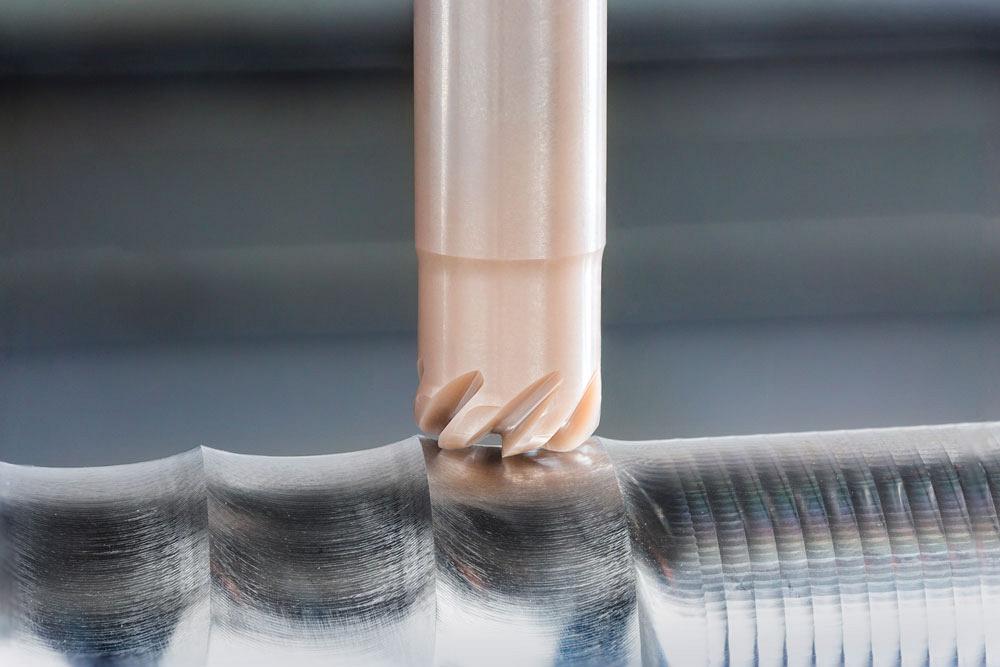
5. Turning Non-Ferrous Materials (Aluminum)
Last but not least, let's talk about aluminum and its buddies. With their different alloying elements and heat treatments, these metals can be a joy to work with. Stick to positive-shaped inserts with sharp edges, and you'll be crafting wonders in no time.
6. Turning Hardened Steel
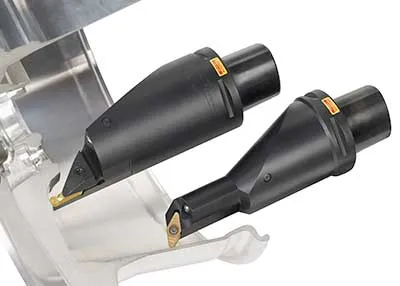
Hard part turning is where the real magic happens. With hardness ranging from 55 to 65 HRC, you'll need some serious tools like CBN grades to get the job done. Oh, and don't forget about machine stability and wipers for that flawless finish.
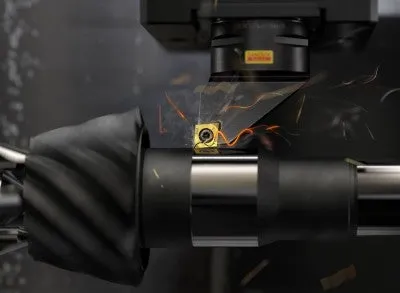
So there you have it, folks - a crash course in turning different materials like a boss. Remember, with the right tools and a sprinkle of know-how, there's no metal you can't conquer!