

Hard anodized aluminum
Jun 12, 2020
Leave a message
Anodized aluminum is treated with a sulfuric acid bath, and low-voltage current passes through the solution. Hard anodized aluminum has been treated in a similar manner, except that the current is significantly higher and the temperature of the solution is reduced to 32°F (0°C). Depending on the method, the solution may also contain oxalic acid. The material produced by this process is thicker, harder, and smoother aluminum that has not been anodized.
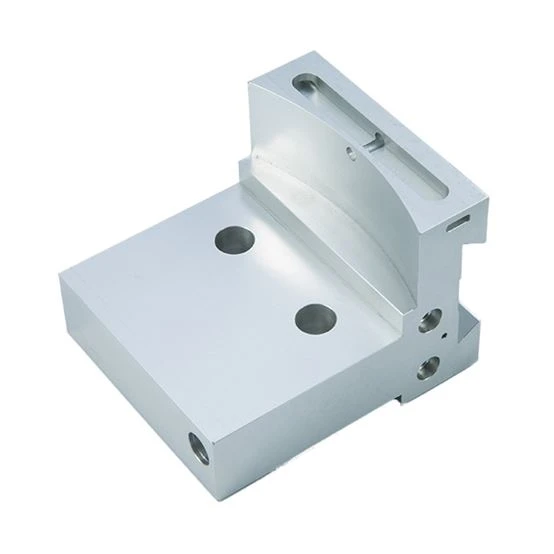
Although many different metals can be anodized, aluminum reacts differently to this process. Anodized aluminum produces a thin coating. This prevents rust, but some processes also produce a thicker layer of rust. The final product has many different uses and is an important part of many cars and airplanes. Architects can use anodized aluminum for exterior decoration, while electronics manufacturers believe it can isolate sensitive components from electrical current.
Car manufacturers have long been the main supporters of the aluminum anodizing process. Although stainless steel has some advantages of hard anodized aluminum, steel is heavier and more expensive. Anodized products can withstand high temperatures and are non-conductive.
The medical field is another area of adaptation. Hard anodized aluminum is its demand. Prostheses and artificial joints made of anodized aluminum are stronger than ordinary aluminum, but there is basically no increase in weight. By using hard anodized aluminum, prosthetic designers can create devices that are more durable and operate more smoothly. Implanted devices and joints made of anodized aluminum are more resistant to the damaging effects of blood, which can lead to corrosion of such devices.
Manufacturers can easily add dyes during anodizing to produce various colors. The solution penetrates deeply into the coating, which entrains the dye. As a result, the finished product resists fading. However, some colors are more resistant to fading than others, some shades of red and blue are more likely to fade, and black is the least likely to fade. Without added dye, the color of hard anodized aluminum ranges from dark brown to dark gray.