Gear Grinding Optimization: Innovations Driving Efficiency and Quality
Apr 25, 2024
Leave a message
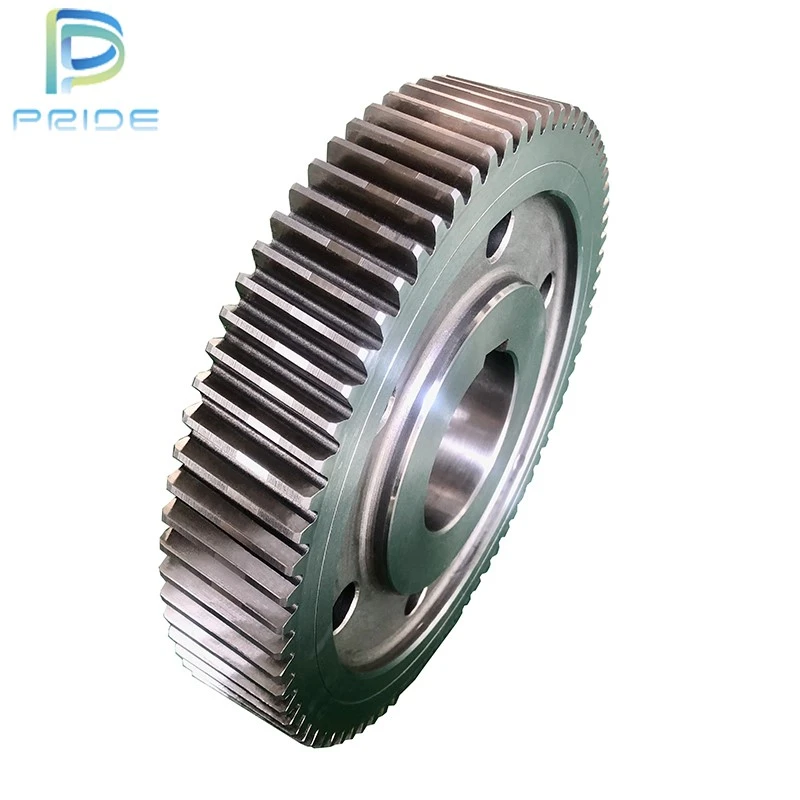
Gear grinding is a critical process in industrial manufacturing, ensuring the precise shaping and finishing of gears used in various machinery and equipment. Optimization and innovation play pivotal roles in enhancing the efficiency, quality, and sustainability of gear grinding processes. This article explores the methodologies and technologies employed to optimize and innovate gear grinding processes, aiming to elevate productivity and product performance.
Overview of Gear Grinding Technology
Gear grinding involves the precise removal of material from gear surfaces to achieve the desired tooth profiles and surface finishes. Various types of gear grinding machines, such as gear profile grinding machines, gear honing machines, and continuous generating gear grinding machines, are utilized based on specific requirements. These machines employ abrasive wheels to remove material incrementally, ensuring tight tolerances and superior surface quality.
Optimization Methods in Gear Grinding Processes
Optimizing gear grinding processes involves fine-tuning various parameters to achieve the desired outcomes efficiently. Key factors include selecting appropriate grinding parameters such as wheel speed, feed rate, and depth of cut, optimizing cutting tools and abrasives, and refining process sequences. By optimizing these parameters, manufacturers can maximize material removal rates, minimize cycle times, and improve surface integrity, resulting in higher productivity and enhanced product quality.
Innovative Technologies in Gear Grinding
Innovation in gear grinding encompasses the development and adoption of advanced technologies to overcome traditional limitations and achieve superior results. High-speed grinding, for instance, employs high-speed grinding wheels and advanced cooling systems to increase material removal rates while maintaining surface integrity. Superfinishing techniques, such as microfinishing and abrasive flow machining, are utilized to achieve ultra-smooth surface finishes and improve gear performance.
Quality Control and Inspection Methods
Ensuring the quality of gear grinding processes requires robust quality control and inspection methodologies. In-process monitoring techniques, such as acoustic emission monitoring and vibration analysis, enable real-time assessment of grinding performance and early detection of anomalies. Post-process inspection methods, including coordinate measuring machines (CMMs) and optical profilometers, verify dimensional accuracy and surface finish consistency, ensuring compliance with design specifications.
Environmental Sustainability Practices in Gear Grinding
The pursuit of environmental sustainability in gear grinding involves implementing eco-friendly practices to minimize resource consumption and environmental impact. This includes the adoption of energy-efficient grinding machines, recycling and reuse of grinding fluids, and utilization of eco-friendly abrasives. Additionally, manufacturers are exploring alternative materials and coatings to reduce waste generation and emissions, promoting a greener and more sustainable manufacturing ecosystem.
Conclusion
Optimization and innovation are indispensable drivers of progress in gear grinding processes, offering avenues for improving efficiency, quality, and sustainability. By embracing advanced technologies and methodologies, manufacturers can enhance productivity, elevate product performance, and minimize environmental footprint. Continued investment in research and development will further propel the evolution of gear grinding technologies, driving continuous improvement and innovation in the industry.