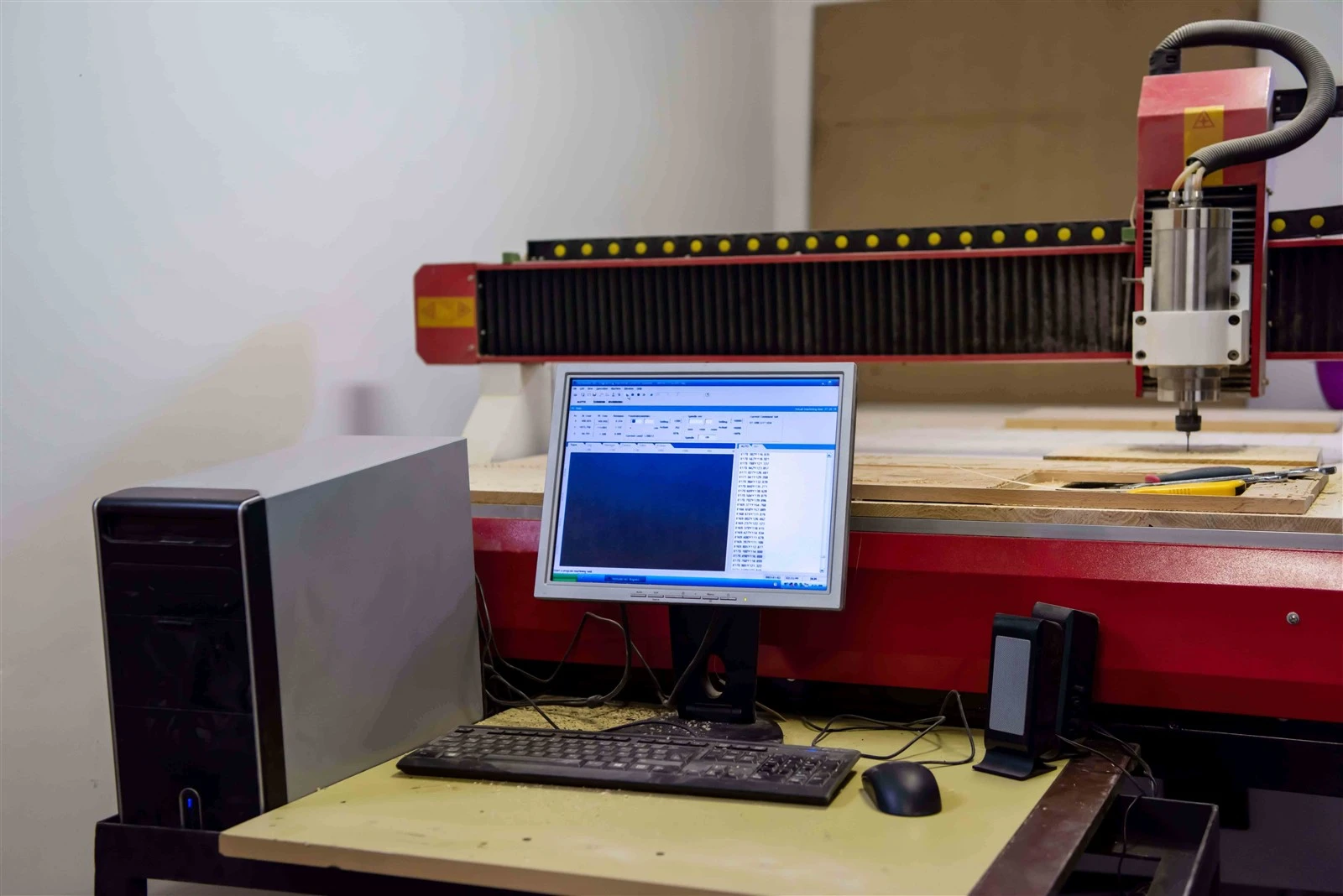
CNC Machining Technology: Evolving Trends and Future Prospects Unveiled
May 11, 2024
Leave a message
A. Defining CNC Machining Technology:
CNC machining technology refers to the process of utilizing computer-controlled machine tools to automate manufacturing operations, enabling precise and efficient production of complex components.
B. Background Introduction:
The introduction of CNC machining has revolutionized manufacturing processes, offering enhanced precision, flexibility, and productivity. This article aims to delve into the evolving landscape of CNC machining technology and its future trends.
Rise of Intelligent Manufacturing
A. Application of Artificial Intelligence (AI):
Integration of AI algorithms in CNC machining systems facilitates predictive maintenance, real-time monitoring, and adaptive machining strategies, optimizing production processes and minimizing downtime.
B. Advancements in Machine Learning and Predictive Maintenance:
Machine learning algorithms analyze data from CNC machines to identify patterns, predict potential equipment failures, and optimize tool life, enhancing overall operational efficiency and equipment reliability.
C. Impact on Production Efficiency and Quality:
The implementation of intelligent manufacturing techniques in CNC machining leads to enhanced production efficiency, reduced waste, and improved product quality, positioning manufacturers for greater competitiveness in the market.
Fusion of CNC Machining and Additive Manufacturing
A. Integration of Traditional CNC Machining with 3D Printing Technology:
The convergence of CNC machining and additive manufacturing techniques enables the fabrication of intricate geometries and complex components with enhanced design flexibility and reduced material waste.
B. Influence on Production Processes and Design Freedom:
The synergy between CNC machining and additive manufacturing expands design possibilities, allowing for the creation of lightweight, optimized structures and customized components tailored to specific applications.
C. Advantages and Applications of Hybrid Manufacturing Technologies:
Hybrid manufacturing technologies offer advantages such as improved part quality, reduced lead times, and cost-effective production, driving innovation across industries including aerospace, automotive, and medical.
Development of Digital Factories and Industrial Internet of Things (IIoT)
A. Concept of Digital Factories and Key Technologies:
Digital factories leverage advanced technologies such as IoT sensors, cloud computing, and data analytics to create interconnected manufacturing ecosystems, optimizing production processes and enabling real-time decision-making.
B. Application Cases of Industrial Internet of Things (IIoT) in CNC Machining:
IIoT-enabled CNC machining systems facilitate remote monitoring, predictive maintenance, and performance optimization, enhancing operational efficiency, and minimizing production downtime.
C. Impact of Digital Transformation on Production Management and Efficiency:
The digitization of manufacturing processes enhances transparency, agility, and responsiveness in production management, empowering manufacturers to adapt to dynamic market demands and optimize resource utilization.
Trends Towards Environmental Sustainability
A. Improvement in Renewable Materials and Resource Utilization:
CNC machining technologies are increasingly utilizing renewable materials and optimizing resource utilization to reduce environmental impact and promote sustainable manufacturing practices.
B. Application of Green Manufacturing Technologies in CNC Machining:
Green manufacturing initiatives such as energy-efficient machining strategies, waste reduction measures, and recycling programs contribute to minimizing carbon footprint and environmental pollution.
C. Influence of Environmental Policies and Consumer Awareness:
Stringent environmental regulations and growing consumer awareness drive the adoption of eco-friendly manufacturing practices, prompting manufacturers to prioritize sustainability in CNC machining operations.
Conclusion
A. Summary of Future Trends in CNC Machining Technology:
The future of CNC machining technology is characterized by intelligent manufacturing, hybrid manufacturing approaches, digital transformation, and environmental sustainability initiatives.
B. Importance of Adapting to Technological Changes:
Manufacturers must embrace technological advancements and adapt their operations to stay competitive in the evolving landscape of CNC machining.
C. Prospects for the Future Application of CNC Machining Technology:
As CNC machining continues to evolve, it holds immense potential to drive innovation, efficiency, and sustainability in manufacturing, shaping the future of industry worldwide.