CNC Machining Demystified: Exploring Principles, Workflow, and Future Trends
May 11, 2024
Leave a message
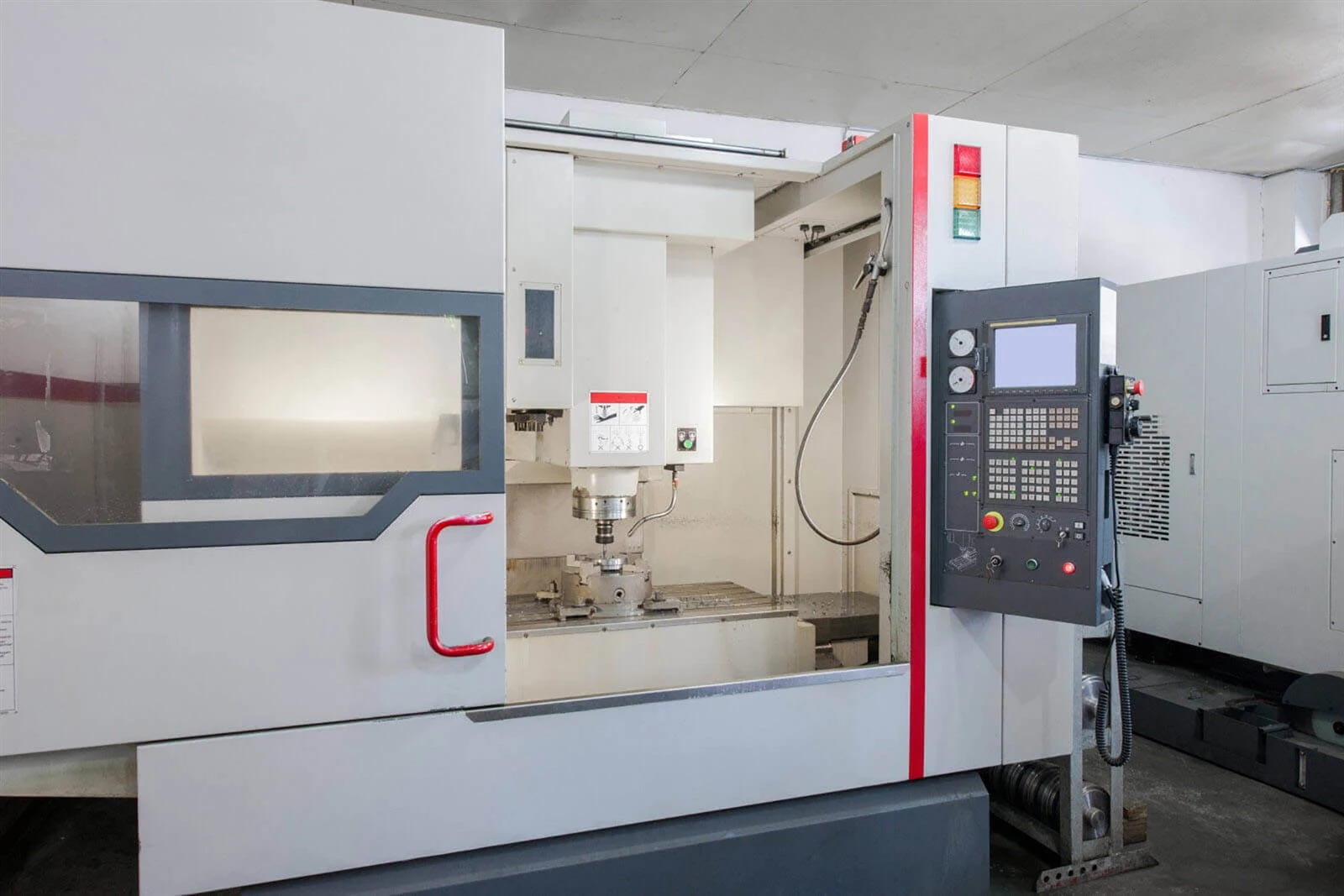
CNC (Computer Numerical Control) machining has emerged as a cornerstone of modern manufacturing, embodying precision engineering and automation. This article aims to delve deeply into the fundamental principles and intricate workflow of CNC machining, shedding light on its complex processes and paramount importance in contemporary industrial practices.
The Fundamental Principles of CNC Machining
A. Overview of CNC Systems CNC systems constitute a sophisticated interplay of hardware and software components, with the Computer Control Unit (CCU) serving as the brain and the machine tool controller as the orchestrator of movements. This symbiotic relationship enables CNC machines to interpret programmed instructions and execute precise machining operations with exceptional accuracy. B. Programming Essentials At the heart of CNC machining lies the programming language, comprising G-codes and M-codes, which act as the machine's dialect for interpreting commands. Mastery of this programming language is imperative for translating design specifications into actionable instructions that guide the CNC machine through intricate machining processes.
The Workflow of CNC Machining
A. Design and Preparation Phase The journey begins with the conceptualization of intricate part designs using CAD (Computer-Aided Design) software. These designs are meticulously crafted to meet precise specifications before being translated into machine-readable formats, such as STEP or IGES, in preparation for the machining process. B. Programming and Setup Phase In the programming and setup phase, the design specifications are transformed into executable instructions using CAM (Computer-Aided Manufacturing) software. This involves the generation of toolpaths, selection of cutting tools, and configuration of machining parameters, ensuring optimal performance and efficiency during the machining process. C. Machining Execution Phase With the workpiece securely fixtured and aligned, the CNC machine springs to life, executing the programmed instructions with unwavering precision. Guided by the meticulously crafted toolpaths, the machine meticulously sculpts the raw material, gradually unveiling the desired form with each pass of the cutting tool. D. Completion and Inspection Phase As the machining process draws to a close, the finished parts undergo rigorous inspection to verify dimensional accuracy and quality compliance. This meticulous scrutiny, often performed using advanced measurement tools such as coordinate measuring machines (CMM), ensures that the machined components meet the highest standards of quality and precision.
Advantages and Applications of CNC Machining
A. Precision and Reproducibility CNC machining stands as a beacon of precision and reproducibility, offering unparalleled accuracy in the production of complex components with tight tolerances. This precision is indispensable in industries where minute deviations can spell the difference between success and failure. B. Enhanced Productivity and Cost Savings Automation lies at the heart of CNC machining, driving efficiency gains and cost savings through reduced manual intervention and streamlined production processes. This enhanced productivity not only accelerates time-to-market but also enhances competitiveness in an increasingly dynamic market landscape. C. Wide-ranging Applications The versatility of CNC machining finds expression across a multitude of industries, from automotive and aerospace to medical devices and consumer electronics. Whether it's the intricate components of a surgical instrument or the robust structures of an aircraft fuselage, CNC machining offers solutions tailored to diverse manufacturing needs.
Future Trends in CNC Machining Technology
A. Advancements in Automation and Intelligence The integration of artificial intelligence (AI) and machine learning algorithms promises to elevate CNC machining to new heights of efficiency and sophistication. From predictive maintenance to adaptive machining strategies, these advancements herald a future where CNC machines operate with unparalleled autonomy and intelligence. B. Convergence with Additive Manufacturing The convergence of CNC machining with additive manufacturing techniques opens new frontiers in hybrid manufacturing, enabling the fabrication of complex geometries and multi-material components with unprecedented precision and efficiency. C. Digitalization and Industry 4.0 Initiatives Embracing the principles of Industry 4.0, CNC machining systems are undergoing a paradigm shift towards digitalization and connectivity. Leveraging digital twin technology and Industrial Internet of Things (IIoT), these systems offer real-time monitoring, remote diagnostics, and data-driven optimization, revolutionizing the manufacturing landscape.
Conclusion
In conclusion, delving into the intricate workings of CNC machining unveils its transformative power and indispensable role in modern manufacturing. As we journey towards an era of interconnected smart factories and digital manufacturing ecosystems, CNC machining stands poised to lead the charge, driving innovation, efficiency, and excellence across industries and continents.