CNC Machining: Revolutionizing Manufacturing with Precision and Efficiency
May 11, 2024
Leave a message
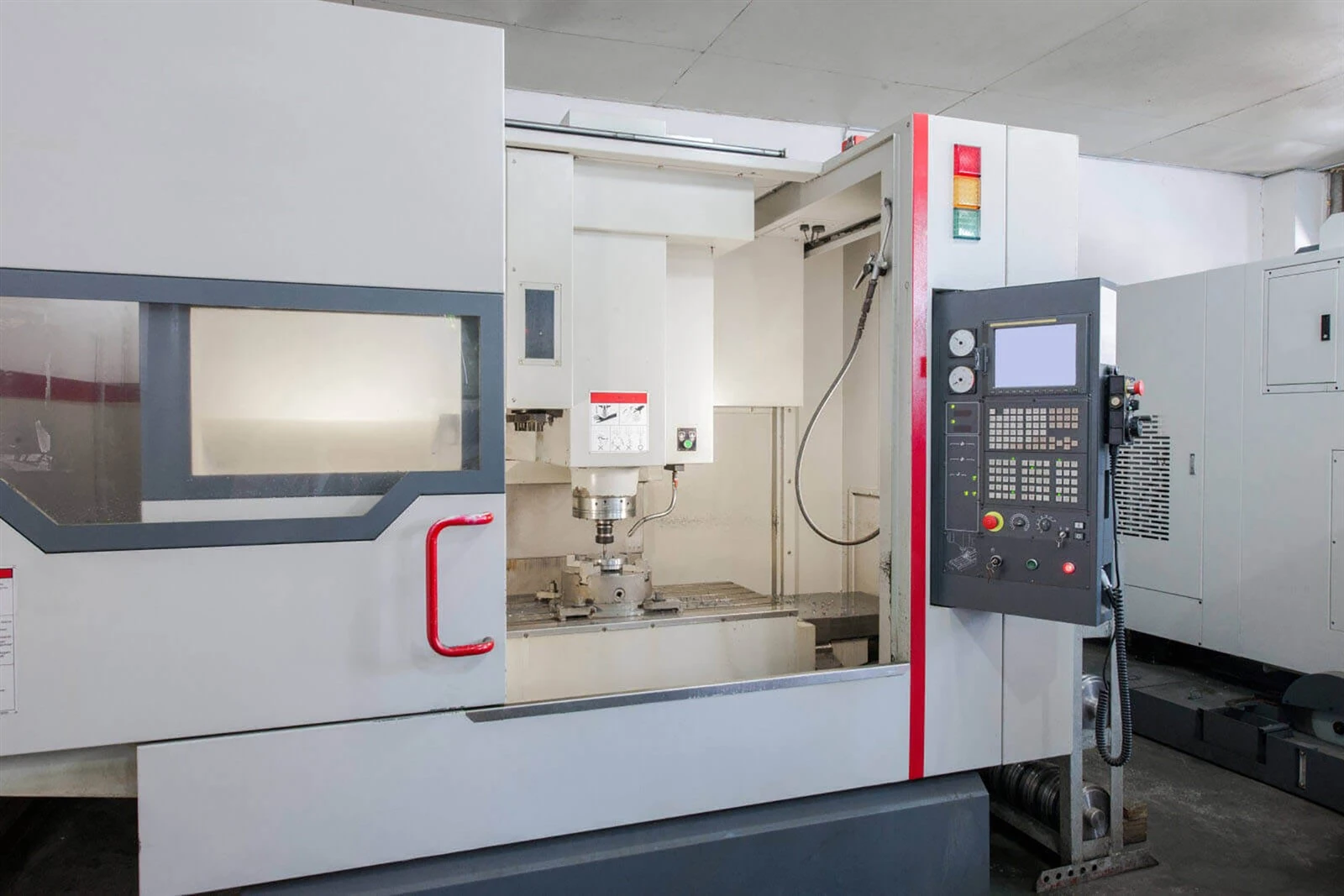
CNC (Computer Numerical Control) machining is a manufacturing process that utilizes computerized controls to operate and manipulate machine tools. By inputting programmed instructions, CNC machines can produce precise and complex parts with high efficiency. This technology has revolutionized the manufacturing industry by offering unparalleled precision and flexibility in production processes.
Significance of CNC Machining in Manufacturing
CNC machining plays a pivotal role in various sectors of the manufacturing industry, ranging from automotive and aerospace to medical device manufacturing. Its importance lies in its ability to streamline production processes, improve product quality, and reduce lead times. By automating tasks and eliminating human errors, CNC machining enhances productivity and ensures consistent results, making it indispensable in modern manufacturing operations.
Application Cases in Different Industries
A. Automotive Manufacturing
CNC machining is extensively used in the automotive industry for producing critical components such as engine parts, transmission systems, and chassis components. The high precision and repeatability offered by CNC machining ensure the reliability and performance of automotive vehicles.
B. Aerospace Industry
In aerospace manufacturing, where safety and precision are paramount, CNC machining plays a crucial role in fabricating aircraft structures, engine components, and intricate parts with tight tolerances. The ability of CNC machines to work with a wide range of materials including aluminum, titanium, and composites makes them indispensable in aerospace applications.
C. Medical Device Manufacturing
CNC machining is essential in the production of medical devices and implants, where precision and biocompatibility are critical requirements. From surgical instruments to orthopedic implants, CNC machining enables the fabrication of complex and customized medical components with exceptional accuracy, ensuring patient safety and product reliability.
Advantages and Challenges of CNC Machining Technology
A. Advantages
1. High Precision Machining: CNC machines offer unmatched precision, achieving tolerances within microns, thereby ensuring the accuracy of manufactured parts.
2. Enhanced Efficiency: Automation of manufacturing processes reduces production lead times and labor costs, resulting in improved efficiency and productivity.
3. Flexibility and Customization: CNC machining allows for rapid prototyping and customization, facilitating the production of unique and intricate parts according to specific requirements.
B. Challenges
1. Initial Investment and Training Costs: Implementing CNC machining technology requires significant capital investment in equipment and training for operators and programmers.
2. Complex Machining Requirements: Addressing complex machining tasks may require specialized equipment and expertise, posing challenges in handling intricate designs and materials.
3. Safety Risks: Operating CNC machines involves potential safety hazards, such as machine malfunctions and tooling accidents, necessitating strict adherence to safety protocols and regulations.
Future Trends in CNC Machining Technology
A. Smart Manufacturing
The integration of artificial intelligence (AI) and machine learning algorithms in CNC machining systems enables predictive maintenance, real-time monitoring, and adaptive machining processes, ushering in the era of smart manufacturing.
B. Additive Manufacturing (3D Printing)
The convergence of CNC machining with additive manufacturing technologies offers new possibilities in hybrid manufacturing processes, allowing for the fabrication of complex geometries and functional components with unprecedented design freedom.
C. Digitalization and IoT Applications
Leveraging digital twin technology and IoT (Internet of Things) connectivity, CNC machines can be remotely monitored and optimized for performance, leading to greater efficiency, resource utilization, and predictive analytics in manufacturing operations.
D. Sustainability and Environmental Considerations
As environmental concerns become increasingly prominent, CNC machining technologies are evolving towards eco-friendly practices, such as using renewable materials, optimizing energy consumption, and reducing waste generation, to promote sustainable manufacturing processes.
Conclusion
In conclusion, CNC machining technology continues to be a driving force in the manufacturing industry, offering unparalleled precision, efficiency, and flexibility. As we embrace the advancements in smart manufacturing, additive manufacturing, and digitalization, the future of CNC machining holds promise for revolutionizing production processes and shaping the landscape of modern manufacturing.