CNC Machining in Medicine: Precision Techniques for Advanced Healthcare Solutions
Apr 28, 2024
Leave a message
In the intricate world of medical device manufacturing, CNC (Computer Numerical Control) machining stands as a cornerstone of precision engineering. This article aims to delve into the significance of CNC machining methods commonly employed within the medical sector. By exploring the various CNC techniques utilized in medical applications, we aim to shed light on their importance, efficacy, and future prospects.
Introduction to CNC Machining
CNC machining represents a pinnacle of manufacturing technology, where computer-controlled processes dictate the precise fabrication of components. Within the medical realm, CNC machining assumes particular importance due to the stringent requirements for accuracy and reliability. Medical devices demand intricate components, often with complex geometries, making CNC machining an indispensable tool in their production.
Commonly Used CNC Machining Methods
A. Milling
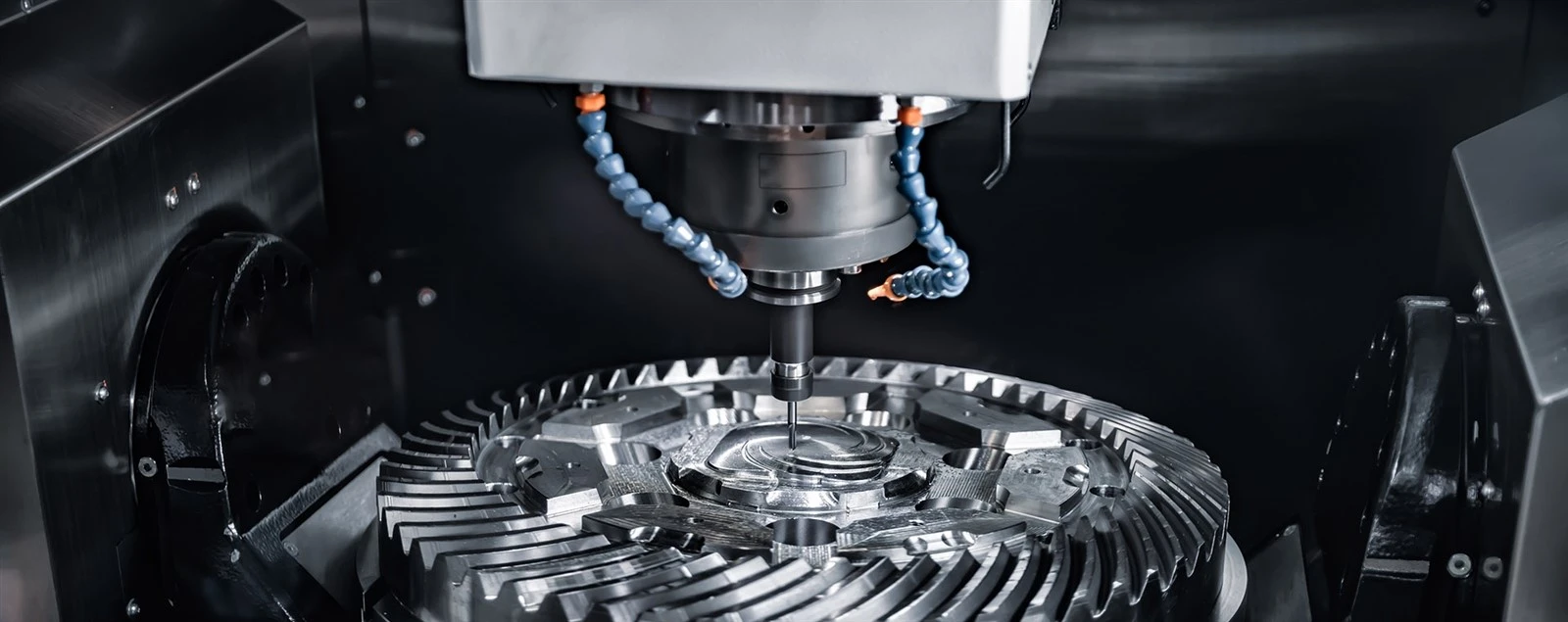
Milling, a fundamental CNC machining technique, involves the removal of material from a workpiece to create desired shapes and features. In the medical sector, milling finds extensive use in the production of orthopedic implants, surgical instruments, and prosthetic components. Its versatility allows for the creation of intricate designs with high precision, meeting the demanding standards of the medical industry.
B. Drilling
Drilling, another essential CNC machining method, involves the creation of holes in workpieces using rotary cutting tools. In medical applications, drilling is crucial for fabricating components such as bone screws, dental implants, and instrument housings. Precision drilling ensures the accuracy of fit and function in medical devices, contributing to their efficacy and safety.
C. Turning
Turning is a CNC machining process primarily used to create cylindrical components by removing material from a rotating workpiece. In the medical field, turning is vital for producing components like catheters, syringe barrels, and implant stems. The precise control afforded by CNC turning ensures the dimensional accuracy and surface finish required for medical applications, facilitating optimal performance and biocompatibility.
Applications of CNC Machining in the Medical Sector
A. Medical Device Manufacturing
CNC machining plays a pivotal role in the manufacturing of various medical devices, ranging from diagnostic equipment to surgical instruments. Its ability to produce complex, custom components with tight tolerances ensures the reliability and functionality of medical devices. From MRI machine components to robotic surgical tools, CNC machining is integral to the advancement of medical technology.
B. Artificial Organs and Implants
In the realm of regenerative medicine, CNC machining enables the fabrication of precise and biocompatible artificial organs and implants. Using patient-specific data, CNC machining can create customized implants tailored to individual anatomy, improving patient outcomes and quality of life. From hip implants to dental crowns, CNC-machined implants offer unparalleled precision and compatibility, revolutionizing healthcare delivery.
Future Trends in CNC Machining Technology
As technology continues to evolve, so too does the landscape of CNC machining in the medical sector. Advancements in materials, software, and automation are poised to further enhance the capabilities and efficiency of CNC machining processes. Additive manufacturing techniques, such as 3D printing, are also gaining traction in medical device fabrication, offering new avenues for innovation and customization. The integration of AI-driven optimization algorithms promises to streamline manufacturing processes, optimizing efficiency and reducing costs.
Conclusion
In conclusion, CNC machining stands as a linchpin in the realm of medical device manufacturing, driving innovation and precision in healthcare. By harnessing the capabilities of CNC machining methods, the medical sector continues to push the boundaries of what is possible, delivering cutting-edge solutions to improve patient care and outcomes. As we look to the future, the synergy between CNC machining technology and medical innovation holds tremendous promise for advancing healthcare on a global scale.