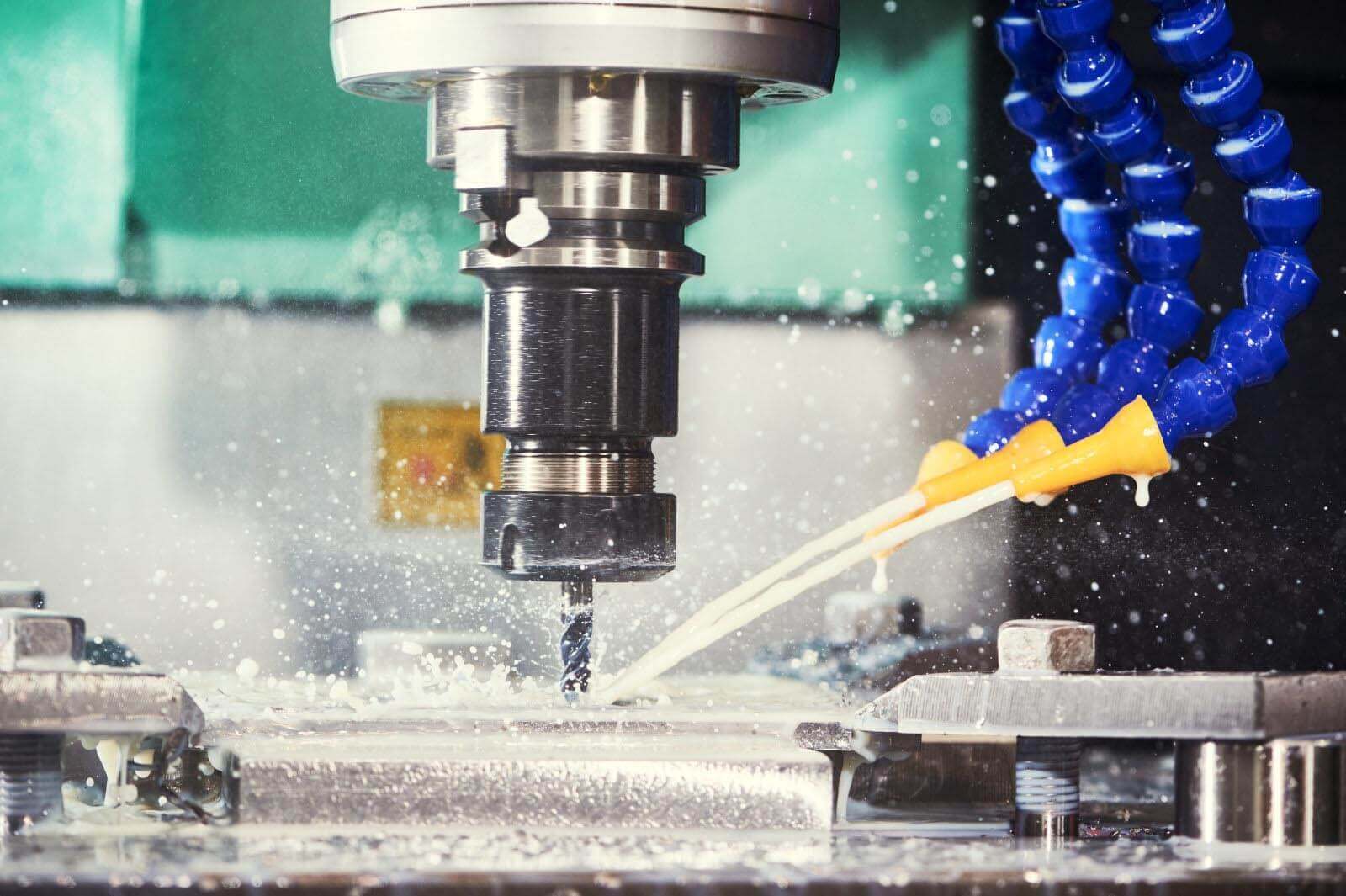
Maximizing Efficiency: High-Efficiency Production Lines in Gear Manufacturing
Apr 25, 2024
Leave a message
In the competitive landscape of gear manufacturing, the adoption of high-efficiency production lines has become increasingly crucial for companies aiming to streamline operations, reduce costs, and maintain product quality. This article explores the application of high-efficiency production lines in mass gear manufacturing, highlighting their benefits and impact on the industry.
Overview of High-Efficiency Production Lines
High-efficiency production lines integrate advanced automation equipment, intelligent systems, and streamlined production processes to maximize throughput and minimize downtime. These lines are designed to handle high-volume production while maintaining flexibility and adaptability to meet changing market demands.
Automation Equipment and Intelligent Systems
Automation plays a key role in high-efficiency production lines, with robotics, automated conveyors, and intelligent monitoring systems being commonly utilized. Robotics facilitate tasks such as assembly, welding, and quality inspection, increasing productivity and reducing reliance on manual labor. Intelligent systems, including machine learning algorithms and predictive analytics, optimize production schedules, predict maintenance needs, and ensure optimal performance of equipment.
Production Process Optimization
Efficiency improvements in mass gear manufacturing are achieved through the optimization of production processes. Lean manufacturing principles, such as just-in-time production and continuous improvement, are applied to eliminate waste and enhance productivity. Single-piece flow manufacturing techniques minimize batch processing and reduce lead times, improving overall efficiency and responsiveness to customer demands.
Data-Driven Production Management
Data-driven production management leverages real-time production monitoring, big data analytics, and predictive maintenance to optimize operations. Real-time monitoring systems track key performance indicators (KPIs), allowing managers to identify bottlenecks and make timely adjustments to improve efficiency. Big data analytics provide insights into production trends, enabling proactive decision-making and process optimization. Predictive maintenance algorithms predict equipment failures before they occur, minimizing downtime and reducing maintenance costs.
Cross-Departmental Collaboration and Supply Chain Integration
Effective collaboration across departments and integration with the supply chain are essential for the success of high-efficiency production lines. Close coordination between production, engineering, and procurement departments ensures smooth material flow and production scheduling. Integration with suppliers enables seamless procurement of raw materials and components, reducing lead times and ensuring timely delivery of finished products to customers.
Cost-Benefit Analysis and Case Studies
A cost-benefit analysis of high-efficiency production lines provides insights into their economic viability and potential returns on investment. Case studies highlight successful implementations of high-efficiency production lines in mass gear manufacturing, showcasing their impact on productivity, cost savings, and product quality.
Conclusion
High-efficiency production lines offer significant advantages for mass gear manufacturing, enabling companies to achieve higher productivity, lower costs, and superior product quality. By embracing automation, optimizing processes, and leveraging data-driven insights, manufacturers can gain a competitive edge in the market and meet the demands of modern manufacturing.