CNC Machining in Medicine: Precision Solutions for Healthcare Advancements
Apr 28, 2024
Leave a message
In the realm of modern healthcare, CNC (Computer Numerical Control) machining emerges as a pivotal technology driving innovation and precision. This article aims to unravel the intricacies of why CNC machining is ideally suited for the medical industry and its diverse applications. By delving into the unique characteristics and advantages of CNC machining, we aim to provide insights into its indispensable role in shaping the landscape of medical manufacturing and beyond.
Overview of CNC Machining Technology
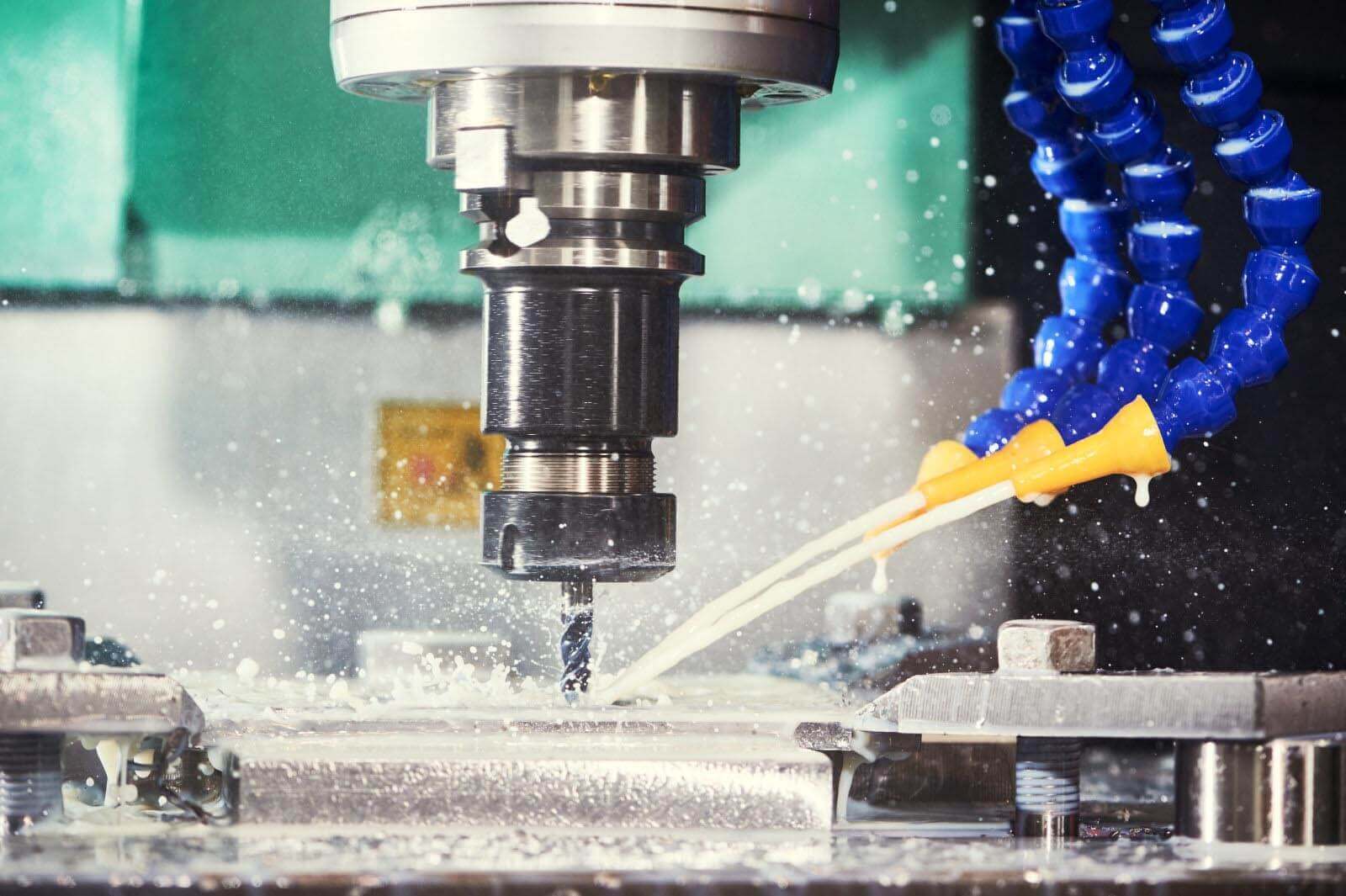
A. Basic Principles and Workflow CNC machining operates on the principle of computer-controlled precision, where automated tools shape raw materials into desired components with unparalleled accuracy. The workflow involves programming instructions into a computer, which then directs the movement of cutting tools to carve out intricate shapes and features from workpieces. In the medical sector, this precise control allows for the fabrication of complex parts essential for various applications.
B. Special Applicability in the Medical Field The medical industry demands components of utmost precision and reliability, making CNC machining an ideal fit. From intricate surgical instruments to patient-specific implants, the ability to produce custom parts with micron-level accuracy is indispensable. Moreover, CNC machining accommodates a wide range of materials, including biocompatible alloys and polymers, ensuring compatibility with biological systems.
Advantages of CNC Machining in the Medical Industry
A. High Precision and Reproducibility CNC machining excels in delivering components with tight tolerances and consistent quality, crucial for medical applications. The ability to achieve sub-micron accuracy ensures the reliability and performance of medical devices, enhancing patient safety and outcomes. Whether crafting intricate instrument components or intricate orthopedic implants, CNC machining guarantees precision at every step.
B. Capability to Manufacture Complex Components In the medical field, complexity is often the norm rather than the exception. CNC machining's versatility enables the production of intricately designed parts with multiple features and geometries. This capability is instrumental in fabricating custom implants tailored to individual patient anatomy or crafting intricate surgical tools optimized for specific procedures. CNC machining empowers designers and engineers to push the boundaries of what is possible in medical device manufacturing.
C. Customization and Personalization Every patient is unique, and their medical needs often require customized solutions. CNC machining facilitates the production of bespoke medical components tailored to individual patients' requirements. Whether it's a dental prosthesis perfectly fitted to a patient's mouth or a spinal implant precisely matching a patient's anatomy, CNC machining enables personalized healthcare solutions that optimize patient comfort and outcomes.
D. Biocompatibility and Material Flexibility The medical industry demands materials that are not only precise but also biocompatible and safe for use within the human body. CNC machining offers a wide array of material options, including medical-grade metals, ceramics, and polymers, ensuring compatibility with biological systems. This flexibility in material selection allows for the fabrication of implants, instruments, and devices optimized for both performance and biocompatibility.
Case Studies of CNC Machining in Medical Applications
A. Medical Device Manufacturing CNC machining plays a central role in the manufacturing of a myriad of medical devices, ranging from diagnostic equipment to surgical instruments. Its precision and versatility enable the fabrication of components crucial for medical device functionality and reliability. From imaging system components to minimally invasive surgical tools, CNC machining contributes to the advancement of medical technology.
B. Artificial Organs and Implants In the realm of regenerative medicine, CNC machining facilitates the fabrication of precise and biocompatible artificial organs and implants. Utilizing patient-specific data, CNC machining can produce custom implants tailored to individual anatomy, enhancing patient outcomes and quality of life. From joint replacements to dental implants, CNC-machined implants offer precise fit and function, revolutionizing patient care.
C. Medical Equipment Maintenance and Repair Beyond manufacturing, CNC machining also plays a role in the maintenance and repair of medical equipment. Replacement parts for aging medical devices or components requiring repair due to wear and tear can be efficiently produced using CNC machining. This ensures the longevity and reliability of critical medical equipment, minimizing downtime and ensuring uninterrupted patient care.
Future Trends and Prospects
A. Current Status of CNC Machining Technology in Healthcare The adoption of CNC machining technology in the medical field continues to grow, driven by its proven benefits in precision and reliability. Medical device manufacturers increasingly rely on CNC machining to meet the evolving demands for customized solutions and innovative designs. With advancements in automation and software integration, CNC machining is poised to further revolutionize medical manufacturing processes.
B. Future Trends and Predictions Looking ahead, the future of CNC machining in healthcare holds promise for further advancements and innovations. Additive manufacturing techniques, such as 3D printing, are gaining traction in medical device fabrication, offering new avenues for design freedom and customization. Additionally, the integration of AI-driven optimization algorithms promises to streamline manufacturing processes, optimizing efficiency and reducing costs. As technology continues to evolve, CNC machining will remain at the forefront of medical manufacturing, driving progress and pushing the boundaries of what is possible in healthcare delivery.
Conclusion
In conclusion, CNC machining stands as a cornerstone of innovation in the medical industry, offering precision, reliability, and customization essential for modern healthcare. Its unique advantages, including high precision, complexity, customization, and material flexibility, make it ideally suited for a wide range of medical applications. As we look to the future, the continued evolution of CNC machining technology holds promise for further enhancing patient care, driving progress, and shaping the future of healthcare delivery.