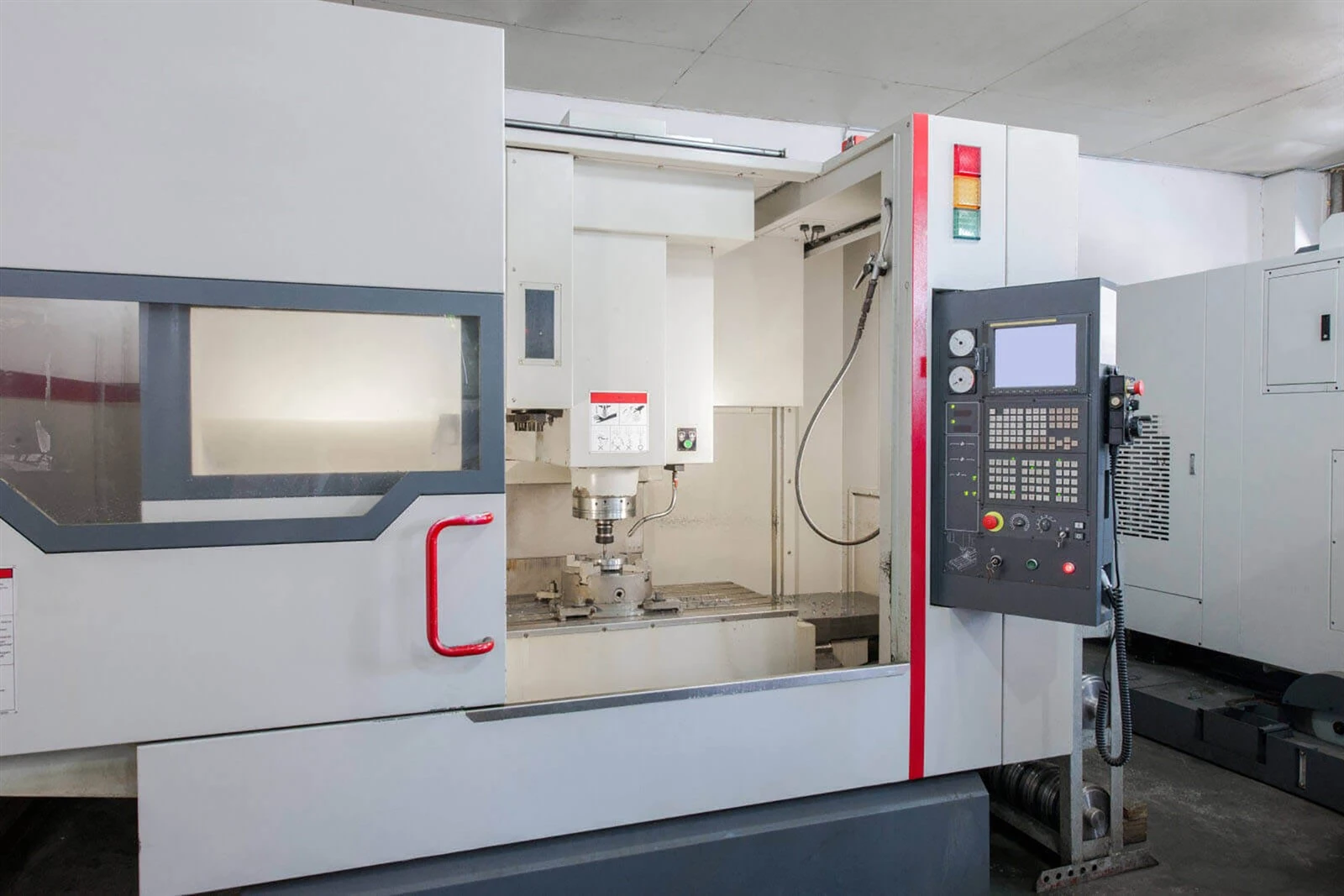
Unlocking the Secrets: A Comprehensive Guide to Surface Finishing Techniques for CNC Machined Parts
Mar 25, 2024
Leave a message
In the realm of CNC machining, surface finishing stands as a crucial step, influencing both the functional performance and visual appeal of machined components. This article embarks on an exploration of the myriad surface finishing options available for CNC machined parts, illuminating their significance and diverse applications across industries.
Understanding Different Surface Finishing Techniques
A. Mechanical Finishing Methods
Grinding and Polishing: Leveraging abrasive materials, this method meticulously smoothens and polishes surfaces, ensuring desired levels of smoothness and luster.
Sanding and Abrasive Blasting: Employing abrasive media propelled by compressed air, this technique effectively eradicates burrs and irregularities, ensuring uniformity and cleanliness.
B. Chemical Treatments
Anodizing: Through electrolysis, this process fosters a protective oxide layer on metals like aluminum, elevating corrosion resistance and offering a spectrum of color possibilities.
Chemical Etching: By selectively removing material using chemical solutions, this method facilitates intricate designs and precise surface modifications, catering to diverse customization needs.
Passivation: Targeting stainless steel surfaces, this technique removes free iron, augmenting corrosion resistance by encouraging the formation of a passive oxide layer.
C. Electroplating and Coating
Electroplating Processes: Employing electrolysis, this method deposits a thin metal layer onto surfaces, enriching properties such as hardness and conductivity.
Powder Coating and Painting: By applying dry powder or liquid paint, this technique achieves protective and decorative finishes, characterized by durability and a plethora of color options.
Physical Vapor Deposition (PVD) and Chemical Vapor Deposition (CVD): Through deposition techniques, thin films are applied, tailored to offer properties like wear resistance and aesthetic appeal.
D. Advanced Surface Treatments
Laser Surface Texturing: Harnessing laser technology, this process creates intricate patterns or textures, enhancing properties like lubrication and adhesion.
Plasma Treatments: Operating within a low-pressure plasma environment, this method alters surface chemistry, bolstering characteristics such as adhesion and surface energy.
Ion Implantation: Through ion bombardment, this technique alters surface properties, fortifying attributes like hardness, wear resistance, and corrosion resistance.
Factors Influencing Surface Finishing Choices
A. Material Compatibility and Properties: Crucial for ensuring the effectiveness and compatibility of surface finishing techniques with material characteristics.
B. Surface Finish Requirements and Applications: Dictated by functional and aesthetic prerequisites, emphasizing aspects like smoothness, appearance, and performance.
C. Cost Considerations and Budget Constraints: Balancing quality with affordability, guided by economic factors to ensure optimal outcomes within budgetary constraints.
D. Environmental and Regulatory Compliance: Paramount in adhering to environmental standards and regulations, underscoring the ecological impact of surface finishing processes.
Case Studies: Real-world Applications of Surface Finishing Techniques
A. Aerospace Industry: Employing anodizing and chemical passivation to enhance corrosion resistance in critical aircraft components.
B. Automotive Sector: Utilizing powder coating and electroplating to elevate aesthetics and durability in vehicle parts.
C. Medical Device Manufacturing: Implementing plasma sterilization and chemical passivation to ensure biocompatibility and sterilization compatibility in medical devices.
D. Consumer Electronics: Applying PVD coatings and laser texturing to enhance aesthetics and durability in electronic device casings.
Best Practices for Selecting and Implementing Surface Finishing Techniques
A. Collaboration between Stakeholders: Effective communication fosters the selection of optimal techniques, considering requirements and constraints.
B. Quality Control and Inspection: Rigorous checks ensure compliance with specifications and consistency throughout the surface finishing process.
C. Continuous Improvement: Embracing innovation and adopting advanced techniques drive competitiveness and excellence in product quality.
Conclusion
Surface finishing emerges as an indispensable facet in elevating the quality, functionality, and aesthetic appeal of CNC machined parts, underpinning competitiveness and customer satisfaction across industries.