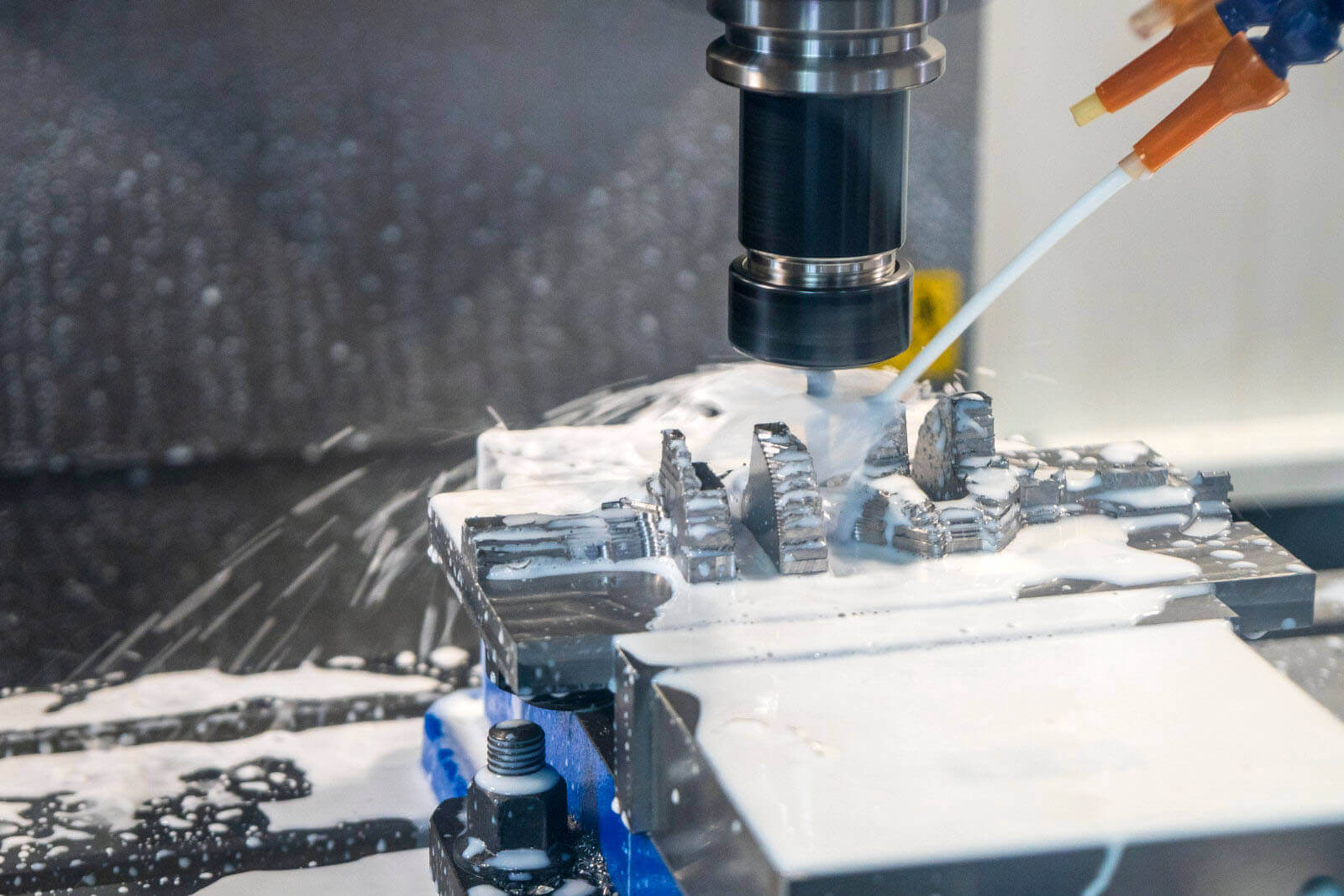
Unlocking Precision: The Crucial Role of Surface Treatment in Enhancing CNC Machined Component Quality
Mar 26, 2024
Leave a message
In the realm of precision manufacturing, Computer Numerical Control (CNC) machining stands as a cornerstone technology, offering unparalleled versatility and accuracy in producing complex components across various industries. However, while CNC machining excels in achieving tight tolerances and intricate geometries, the significance of surface quality cannot be overstated. Surface imperfections not only compromise the visual aesthetics of the final product but also impact functionality, structural integrity, and performance. Therefore, this article aims to delve into the pivotal role of surface treatment in augmenting the quality of CNC machined components, elucidating its importance and exploring strategies for optimization.
The Importance of CNC Machined Component Surface Quality
A. Impact on Product Performance and Aesthetics
The surface quality of CNC machined components directly influences their functionality, longevity, and aesthetic appeal. Smooth, defect-free surfaces reduce friction, wear, and corrosion, thereby enhancing operational efficiency and durability. Moreover, in industries such as aerospace, automotive, and medical devices, where precision and reliability are paramount, surface imperfections can compromise functionality and compromise safety.
B. Customer Demands and Market Competition
In today's competitive marketplace, customers expect products to not only meet but exceed quality standards. Surface quality serves as a tangible indicator of craftsmanship and attention to detail, influencing consumer perception and brand reputation. Moreover, with globalization and the rise of online platforms, manufacturers face heightened scrutiny and competition, necessitating adherence to stringent quality requirements to maintain market relevance and competitiveness.
C. Role of Surface Treatment in Enhancing Component Quality
Surface treatment encompasses a myriad of techniques aimed at improving surface characteristics such as smoothness, hardness, corrosion resistance, and aesthetics. By subjecting CNC machined components to appropriate surface treatment processes, manufacturers can rectify machining defects, enhance surface integrity, and elevate product value. From cleaning and pretreatment to coating and polishing, each surface treatment method plays a crucial role in optimizing component performance and appearance.
Types and Techniques of Surface Treatment
A. Surface Cleaning and Pretreatment
Prior to any surface modification or enhancement, thorough cleaning and preparation are imperative to remove contaminants, oxides, and residues. Techniques such as solvent cleaning, degreasing, and alkaline washing are commonly employed to achieve pristine substrate surfaces conducive to subsequent treatment processes.
B. Surface Modification and Coating
Surface modification techniques aim to alter the chemical composition, structure, or properties of the substrate material to impart desired characteristics. This includes processes such as chemical etching, anodizing, plasma treatment, and ion implantation. Additionally, coating technologies such as electroplating, physical vapor deposition (PVD), and chemical vapor deposition (CVD) offer protective layers against corrosion, wear, and environmental degradation.
C. Surface Polishing and Finishing
Surface polishing and finishing techniques are employed to refine surface roughness, texture, and appearance. Mechanical methods such as grinding, honing, and lapping utilize abrasive particles to achieve precise surface topographies. Furthermore, advanced techniques like ultrasonic cleaning, electropolishing, and electrochemical machining enable intricate surface modifications with high precision and consistency.
The Nexus Between Surface Treatment and CNC Machined Component Quality
A. Comparative Analysis of Component Quality Before and After Surface Treatment
Comparing the quality attributes of CNC machined components before and after surface treatment elucidates the transformative impact of surface treatment processes. Through quantitative measurements of surface roughness, hardness, adhesion, and corrosion resistance, manufacturers can assess the efficacy of surface treatment methods in enhancing component quality and performance.
B. Influence of Surface Treatment on CNC Machining Parameters and Processes
Surface treatment not only improves the physical and chemical properties of machined components but also affects CNC machining parameters and processes. Factors such as tool wear, cutting forces, and chip formation may vary significantly when machining treated surfaces, necessitating adjustments in cutting speeds, feeds, and tool materials to optimize machining efficiency and quality.
C. Relationship Between Surface Treatment and Product Performance, Longevity
The quality of surface treatment directly correlates with the overall performance, longevity, and reliability of CNC machined products. Enhanced surface hardness, corrosion resistance, and lubricity contribute to extended service life, reduced maintenance requirements, and enhanced operational efficiency. Moreover, in critical applications such as aerospace and medical implants, the biocompatibility and biofunctionality of treated surfaces are paramount for ensuring patient safety and regulatory compliance.
Optimizing Surface Treatment for Enhanced CNC Machined Component Quality
A. Selection of Appropriate Surface Treatment Techniques and Solutions
Tailoring surface treatment methods to specific material properties, component geometries, and performance requirements is essential for achieving desired outcomes. By leveraging a comprehensive understanding of surface treatment options, manufacturers can select the most suitable techniques and solutions to address unique challenges and objectives.
B. Optimization of Pre- and Post-Treatment Processes
Integrating surface treatment seamlessly into pre- and post-machining processes optimizes workflow efficiency and component quality. This involves streamlining material handling, tooling setups, and inspection procedures to minimize lead times and ensure consistent adherence to quality standards throughout the production cycle.
C. Utilization of Advanced Technologies and Equipment for Efficient Surface Treatment
Embracing technological advancements in surface treatment equipment and methodologies empowers manufacturers to achieve superior results with enhanced efficiency and cost-effectiveness. Automated surface treatment systems, robotics, and additive manufacturing techniques offer precision, scalability, and repeatability, facilitating the attainment of stringent quality objectives while optimizing resource utilization and time-to-market.
Case Studies and Practical Insights Sharing
A. Analysis of Surface Treatment Case Studies in Various Industries
Examining real-world applications of surface treatment in diverse industries provides valuable insights into best practices, challenges, and success stories. Case studies highlighting the application of specific surface treatment techniques to address component quality issues and achieve performance enhancements offer practical guidance and inspiration for manufacturers.
B. Sharing of Practical Experiences and Lessons Learned
Industry experts, practitioners, and researchers share their firsthand experiences, lessons learned, and recommendations for optimizing surface treatment processes and maximizing CNC machined component quality. By leveraging collective knowledge and expertise, manufacturers can navigate complexities, mitigate risks, and capitalize on opportunities for continuous improvement and innovation.
Conclusion
In conclusion, surface treatment plays a pivotal role in elevating the quality, performance, and value of CNC machined components across diverse applications and industries. By embracing surface treatment as an integral part of the manufacturing process, manufacturers can overcome inherent limitations of machining processes, mitigate surface defects, and unlock new opportunities for innovation and differentiation. As technology advances and market dynamics evolve, the quest for superior surface quality remains a cornerstone of manufacturing excellence, driving continuous improvement and sustainable growth in the global marketplace.