Unlocking Manufacturing Potential: Integrating CNC Machining with 3D Printing
May 11, 2024
Leave a message
A. Importance of CNC Machining and 3D Printing in Manufacturing
CNC machining and 3D printing are two key manufacturing technologies that have revolutionized the way products are designed, prototyped, and produced. While each method offers unique advantages, combining them can unlock new possibilities and efficiencies in manufacturing processes. This introduction sets the stage for exploring how CNC machining can complement 3D printed parts.
B. Overview of the Article
This article aims to delve into the synergy between CNC machining and 3D printing, exploring how CNC machining techniques can be applied to enhance 3D printed parts. By examining their fundamental principles, complementary advantages, practical applications, and future trends, readers will gain insights into the evolving landscape of advanced manufacturing techniques.
Basic Concepts and Working Principles of CNC Machining and 3D Printing
A. CNC Machining and 3D Printing Definitions and Principles
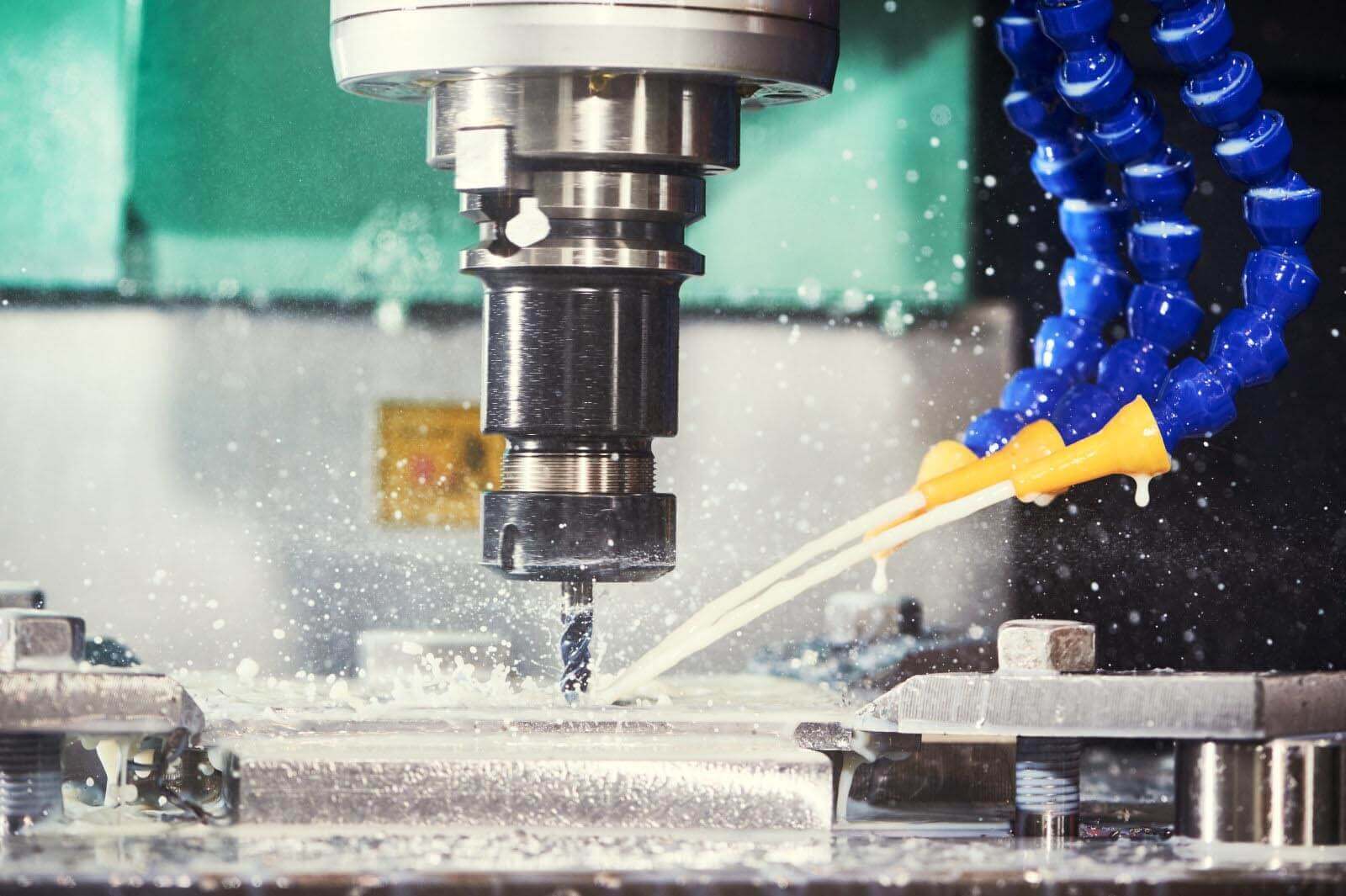
CNC machining involves subtractive manufacturing processes where computer-controlled machines remove material from a workpiece to create a desired shape or part. On the other hand, 3D printing, also known as additive manufacturing, builds objects layer by layer using digital 3D models as blueprints. Understanding these fundamental principles is essential for appreciating how CNC machining can be integrated with 3D printing processes.
B. Advantages and Limitations of CNC Machining and 3D Printing
CNC machining offers high precision, surface finish quality, and material versatility, making it suitable for producing complex geometries and functional prototypes. However, it may involve longer lead times and higher costs for certain applications. 3D printing, on the other hand, excels in rapid prototyping, customization, and geometric complexity but may have limitations in surface finish quality, material options, and structural strength. By recognizing these advantages and limitations, manufacturers can strategically leverage both technologies for optimal results.
Combined Applications of CNC Machining and 3D Printing
A. Post-Processing Needs for 3D Printed Parts
While 3D printing offers rapid prototyping capabilities, the printed parts often require post-processing to achieve the desired surface finish, dimensional accuracy, and mechanical properties. Common post-processing steps include support structure removal, surface smoothing, and surface treatment. CNC machining can effectively address these post-processing needs, enhancing the overall quality and functionality of 3D printed parts.
B. Synergistic Advantages of CNC Machining and 3D Printing
The integration of CNC machining and 3D printing enables manufacturers to leverage the strengths of both technologies while mitigating their respective limitations. For example, 3D printing can be used to create complex geometries and internal features, while CNC machining can be applied for precise surface finishing, hole drilling, and thread tapping. This synergistic approach maximizes efficiency, accuracy, and flexibility in part production.
C. Analysis of Practical Application Cases
Practical application cases across various industries demonstrate the effectiveness of combining CNC machining with 3D printing. Examples include aerospace components with intricate geometries, medical implants requiring precise surface finishes, and consumer products with customized features. By examining these real-world examples, manufacturers can gain insights into the diverse applications and benefits of integrating CNC machining with 3D printing.
CNC Machining Techniques for 3D Printed Parts
A. Surface Treatment and Precision Machining
CNC machining techniques such as milling, turning, and grinding can be used to achieve precise surface finishes and dimensional accuracies on 3D printed parts. Surface treatment methods such as sanding, polishing, and coating can improve surface quality and aesthetics, enhancing the overall appearance and functionality of 3D printed components.
B. Hole Drilling and Thread Tapping
CNC machining excels in drilling holes, creating threads, and machining intricate features that may be challenging to achieve with 3D printing alone. By using CNC machining techniques, manufacturers can add precision mounting holes, threaded inserts, and mating surfaces to 3D printed parts, expanding their functionality and compatibility with other components.
C. Support Structure Removal and Localized Repair
3D printed parts often require support structures during printing to maintain structural integrity and prevent deformations. CNC machining can be used to remove these support structures efficiently, minimizing post-processing time and labor. Additionally, CNC machining techniques can be applied for localized repair or modification of 3D printed parts, allowing for design iterations and corrections without reprinting the entire component.
Future Development Trends and Application Prospects
A. Technological Integration and Innovation
The future of manufacturing lies in the integration and innovation of advanced technologies such as CNC machining and 3D printing. Researchers and industry experts are exploring new materials, hybrid manufacturing processes, and digital design tools to enhance the capabilities and applications of these technologies. Collaborative efforts between academia, industry, and government organizations will drive technological advancements and pave the way for new manufacturing paradigms.
B. Automation and Intelligent Production
Automation and artificial intelligence are reshaping the manufacturing landscape, enabling autonomous production processes, predictive maintenance, and adaptive manufacturing systems. The integration of CNC machining and 3D printing with automation technologies will streamline production workflows, improve efficiency, and reduce human intervention. Smart factories equipped with interconnected machines and sensors will enable real-time monitoring, optimization, and customization of manufacturing processes.
C. Industry Application Prospects and Outlook
Across industries, the adoption of integrated CNC machining and 3D printing solutions is expected to accelerate, driven by increasing demand for customized products, shorter time-to-market cycles, and cost-effective manufacturing solutions. Industries such as aerospace, automotive, healthcare, and consumer goods will continue to benefit from the versatility, agility, and scalability of these technologies. As manufacturers embrace digital transformation and embrace agile manufacturing strategies, CNC machining and 3D printing will play pivotal roles in shaping the future of production.
Conclusion
A. Summary of the Synergy Between CNC Machining and 3D Printing
In conclusion, the integration of CNC machining with 3D printing offers a powerful and versatile approach to manufacturing, combining the strengths of both technologies to enhance part quality, functionality, and efficiency. By leveraging CNC machining techniques for post-processing, surface finishing, and precision machining of 3D printed parts, manufacturers can achieve superior results and unlock new possibilities in product design and production.
B. Emphasis on the Future of Advanced Manufacturing
As manufacturing technologies continue to evolve and converge, the future of advanced manufacturing will be characterized by seamless integration, digital connectivity, and intelligent automation. Manufacturers must embrace innovation, collaboration, and continuous learning to stay ahead in an increasingly competitive and dynamic global marketplace. By harnessing the synergies between CNC machining and 3D printing, companies can reshape the future of manufacturing and drive sustainable growth and innovation.