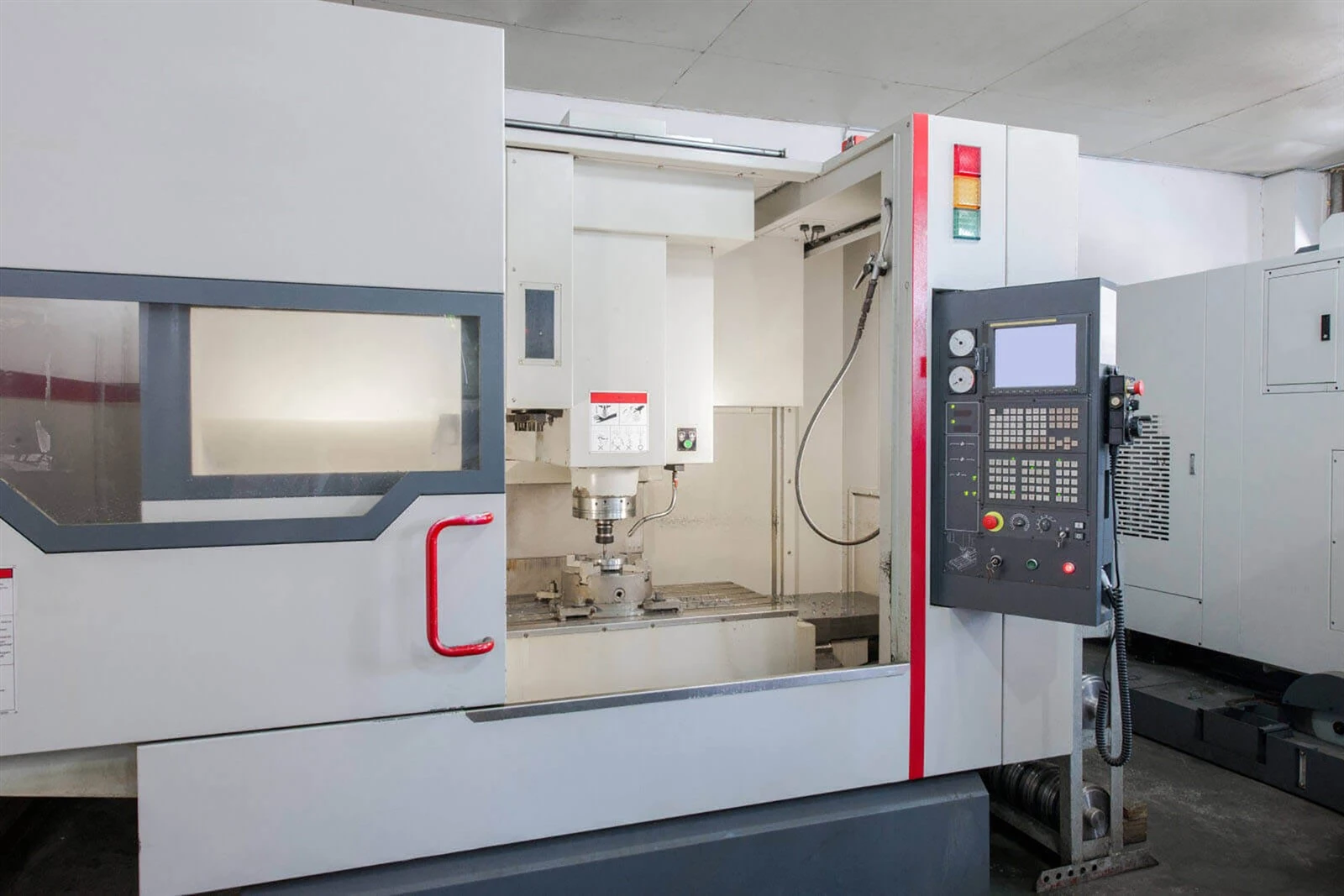
Transforming CNC Parts: How Surface Treatments Boost Functionality
Mar 27, 2024
Leave a message
In today's manufacturing landscape, CNC machining stands as a cornerstone for producing high-precision components across various industries. However, the performance and characteristics of these components are not solely determined by the machining process itself but are significantly influenced by the surface treatment techniques applied post-machining. This article aims to delve into the transformative effects of surface treatment techniques on CNC machined parts, exploring how these techniques alter the functionality and characteristics of the components. By providing comprehensive insights and practical recommendations, this article aims to equip readers with the knowledge to make informed decisions regarding surface treatment selection in CNC machining processes.
Significance of CNC Machined Parts' Functionality and Characteristics
A. Role in Product Performance and Quality
The functionality and characteristics of CNC machined parts play a pivotal role in determining the overall performance and quality of the end products. Whether it's mechanical components for automotive applications or intricate parts for aerospace assemblies, the functionality and characteristics of these parts directly impact product reliability and user satisfaction.
B. Common Functional and Characteristic Requirements
CNC machined parts are often subjected to a wide range of operational conditions and environmental factors, necessitating specific functional and characteristic attributes. These may include wear resistance, corrosion resistance, hardness, surface finish, and dimensional accuracy, among others.
C. Importance of Surface Treatment Techniques
Surface treatment techniques serve as a means to enhance the functional and characteristic attributes of CNC machined parts. By modifying the surface properties, these techniques aim to improve performance, extend service life, and enhance overall quality, thereby meeting the stringent demands of various applications.
Surface Treatment Techniques and Their Effects on Functionality and Characteristics
A. Surface Cleaning and Pre-treatment Techniques
Impact on Surface Cleanliness: Utilizing methods such as solvent cleaning, ultrasonic cleaning, or alkaline cleaning to remove contaminants and prepare surfaces for subsequent treatment. Clean surfaces ensure optimal adhesion and effectiveness of subsequent treatments.
Pre-treatment Effects: Employing techniques like chemical etching or phosphating to enhance surface activation and adhesion. Proper pre-treatment promotes uniform coating deposition and improves attributes such as corrosion resistance and adhesion strength.
B. Surface Modification and Coating Technologies
Effects of Chemical Treatments: Utilizing processes such as anodizing, chromating, or conversion coatings to alter surface chemistry and enhance specific characteristics. Chemical treatments impart functionalities such as corrosion resistance, wear resistance, or thermal insulation.
Impact of Coating Application: Applying coatings such as paints, powder coatings, or electroplatings to provide protective layers and enhance characteristics like corrosion resistance and surface hardness. Coatings act as barriers against environmental elements and mechanical stresses, thus extending part longevity.
C. Surface Finishing and Polishing Techniques
Effects of Mechanical Finishing: Utilizing methods such as abrasive blasting, grinding, or honing to achieve desired surface roughness and texture. Mechanical finishing enhances characteristics such as surface smoothness, fatigue resistance, and aesthetics.
Impact of Electrochemical Polishing: Employing electrolytic solutions and electrical currents to remove surface defects and improve surface finish. Electrochemical polishing enhances aesthetics, reduces friction, and improves corrosion resistance, thereby enhancing overall characteristics.
How Surface Treatment Techniques Alter Functionality and Characteristics
A. Enhancement of Wear and Corrosion Resistance
Surface treatment techniques such as coatings or chemical treatments enhance the wear and corrosion resistance of CNC machined parts. By forming protective layers or altering surface chemistry, these techniques mitigate degradation from friction, abrasion, or environmental exposure.
B. Improvement in Surface Hardness and Strength
Certain surface treatment methods, such as heat treatments or coatings, can significantly increase surface hardness and strength. This enhances the part's ability to withstand mechanical stresses, impacts, and wear, thereby prolonging its service life and durability.
C. Enhancement of Lubricity and Thermal Conductivity
Surface treatments like coatings or surface modifications can improve lubricity and thermal conductivity. These enhancements facilitate smoother operation, reduce frictional losses, and improve heat dissipation, leading to better performance in dynamic applications.
D. Addition of Dust and Waterproofing Capabilities
Certain coatings or treatments can confer dust and waterproofing capabilities to CNC machined parts. This is particularly advantageous in environments where exposure to dust, moisture, or contaminants is a concern, ensuring reliable operation and prolonged lifespan.
E. Improvement in Aesthetic Appearance and Texture
Surface treatment techniques such as polishing or coatings can enhance the aesthetic appearance and texture of CNC machined parts. This not only adds visual appeal but also reflects quality craftsmanship, enhancing the overall perceived value of the products.
Case Studies and Practical Examples
A. Demonstrating the Effects of Surface Treatment Techniques
Case studies from various industries showcase the tangible benefits of employing specific surface treatment techniques. These examples highlight how surface treatments have transformed the functionality and characteristics of CNC machined parts, leading to improved performance and customer satisfaction.
B. Real-world Applications and Success Stories
Examining real-world applications where surface treatment techniques have played a crucial role in enhancing CNC machined parts' functionality and characteristics. From automotive components to medical devices, these success stories underscore the importance of strategic surface treatment selection and implementation.
C. Experimental Validation and Performance Testing
Conducting experimental studies to validate the effects of different surface treatment techniques on CNC machined parts. Through rigorous performance testing and analysis, researchers can quantify the improvements in functionality and characteristics achieved through specific surface treatments.
Guidelines for Selecting Suitable Surface Treatment Techniques
A. Consideration of Functional and Characteristic Requirements
When selecting surface treatment techniques, it is essential to consider the specific functional and characteristic requirements of the CNC machined parts. This involves identifying the critical performance parameters and tailoring the treatment methods accordingly.
B. Evaluation of Cost, Efficiency, and Quality Factors
Balancing cost considerations with efficiency and quality factors is crucial in surface treatment selection. Manufacturers must assess the economic viability, operational efficiency, and quality implications of each treatment method to make informed decisions.
C. Validation Through Experimentation and Analysis
Experimental validation and analysis play a crucial role in surface treatment selection. By conducting pilot studies, performing material testing, and analyzing performance data, manufacturers can verify the effectiveness of surface treatment techniques and optimize their implementation strategies.
Conclusion
In conclusion, surface treatment techniques wield a profound influence on the functionality and characteristics of CNC machined parts. By altering surface properties, these techniques enhance performance, durability, and aesthetics, thereby meeting the stringent demands of modern industrial applications. Through strategic selection and implementation of surface treatment methods, manufacturers can unlock the full potential of CNC machined parts, delivering superior products that excel in performance and quality.