The Step-by-Step Process of CNC Machining for Camera Lens Housings
Nov 30, 2023
Leave a message
CNC (Computer Numerical Control) machining has revolutionized the manufacturing process for camera lens housings, offering unparalleled precision and consistency. This article delves into the step-by-step process of CNC machining, specifically for the production of camera lens housings.
Design and Prototyping
The journey begins with a detailed design phase. Here, engineers and designers collaborate to create a 3D model of the lens housing. This model is crucial as it guides the entire machining process. Prototyping may follow, using 3D printing or a similar method, to validate the design before full-scale production.
Material Selection
Choosing the right material is critical. Factors like weight, strength, and corrosion resistance are considered. Common materials include aluminum for its lightweight properties, stainless steel for durability, and titanium for high-end applications.
Setting Up the CNC Machine
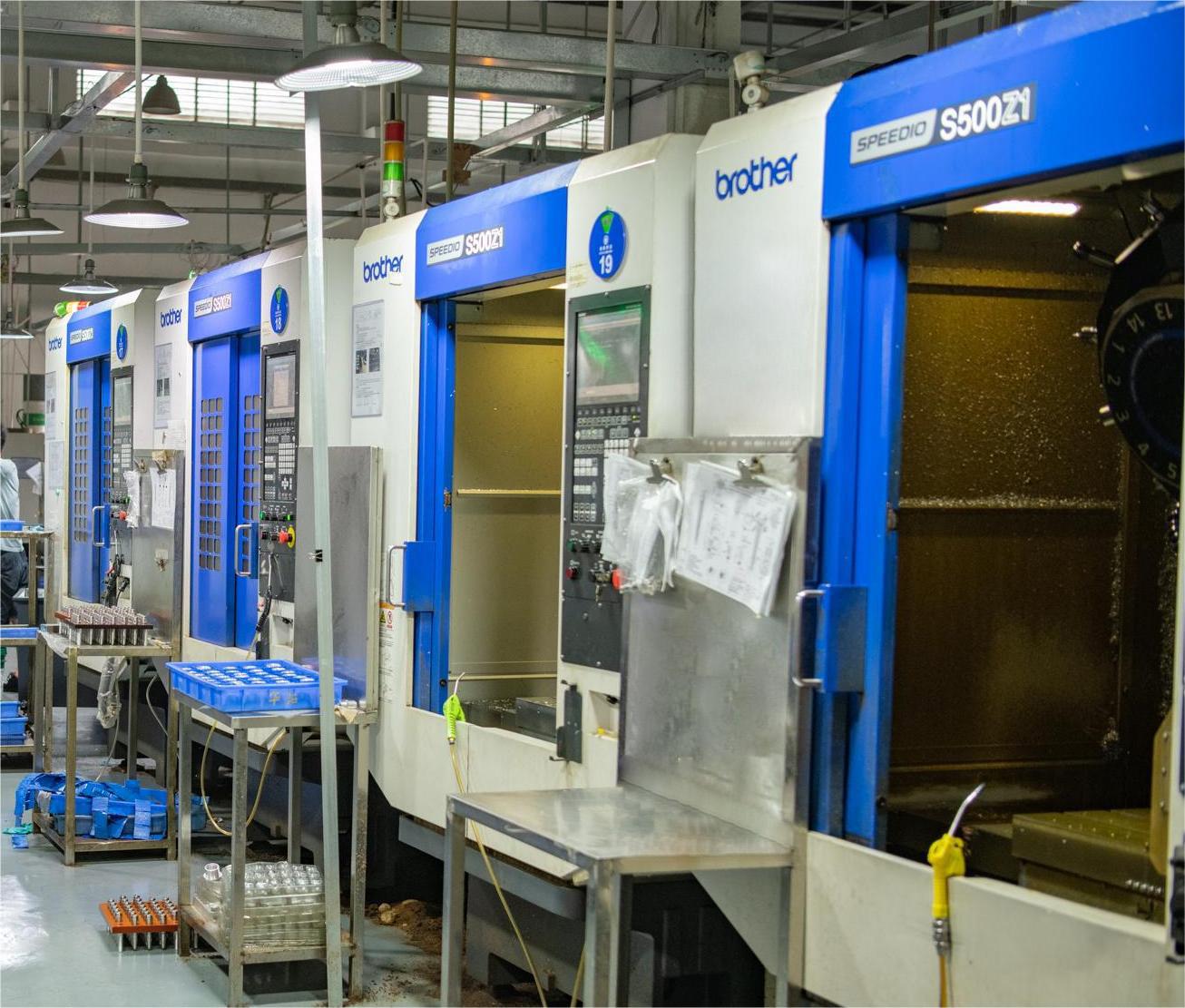
The CNC machine is set up based on the specifics of the design. This includes installing the appropriate cutting tools and configuring the machine settings like speed, feed rate, and path of the tool.
Machining the First Piece
The first piece of machining is crucial as it sets the tone for the entire batch. The CNC machine follows the instructions from the 3D model to cut and shape the lens housing. This step often involves several passes to achieve the desired precision.
Quality Control and Adjustments
After the first piece is machined, it undergoes a rigorous quality control process. Measurements are taken to ensure it meets the specified dimensions and tolerances. Any necessary adjustments are made to the CNC machine settings to ensure subsequent pieces are accurate.
Batch Production
Once the first piece is approved, batch production begins. The CNC machine efficiently replicates the design, producing multiple lens housings with consistent quality.
Post-Machining Processes
After machining, the lens housings may undergo additional processes like sanding, polishing, or anodizing. These processes enhance the aesthetic and functional qualities of the housings.
Final Quality Assurance
The finished housings are subjected to a final round of quality assurance checks. This ensures that every piece meets the required specifications and is ready for assembly or shipping.
Assembly and Integration
In some cases, the CNC machined lens housings are directly assembled with other camera components. This integration is crucial for assessing the overall functionality and fit of the housing within the camera system.
Conclusion
The CNC machining process for camera lens housings is a testament to the blend of technology and precision manufacturing. Each step, from design to final assembly, plays a vital role in ensuring that the housings meet the exacting standards required in high-quality camera equipment.