

The insulation performance of the material can be adjusted at will
Jun 11, 2020
Leave a message
Most materials have a fixed thermal conductivity, but applying voltage to this film will greatly change its thermal properties.
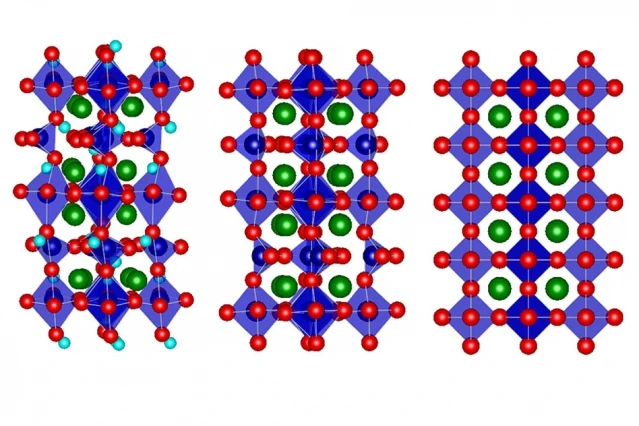
Yánjiū rényuán fāxiàn, sī gǔ yǎnghuà wù (SCO) zìrán cúnzài yú yī zhǒng jiàozuò brownmillite(zhōngxīn) de yuánzǐ jiégòu zhōng, dàn dāng yǎng lízǐ bèi tiānjiā dào qízhōng (yòu) shí, tā biàn dé gèng yǒu xù, gèng dǎorè, ér dāng qīng lízǐ bèi tiānjiā dào qízhōng (zuǒ) shí, tā biàn dé gèng bù yǒu xù, gèng dǎorè. Túpiàn: Yánjiū rényuán tígōng cáiliào de diànzǐ hé cíxìng néng tōngguò yìngyòng diàn shūrù ér xiǎnzhù gǎibiàn, xíngchéngle suǒyǒu xiàndài diànzǐ xué de zhīzhù. Dànshì, duì rènhé cáiliào de rè dǎo lǜ shíxiàn tóngyàng de kě tiáo kòngzhì yì zhí shì yīgè nányǐ zhuōmō de tànsuǒ. Xiànzài, má shěng lǐgōng xuéyuàn de yīgè yánjiū xiǎozǔ yǐjīng qǔdéle zhòngdà jìnzhǎn. Tāmen shèjìle yī zhǒng chángqí yǐlái yīzhí zài xúnzhǎo de zhuāngzhì, tāmen chēng zhī wèi “diànrè fá”, kěyǐ gēnjù xūyào gǎibiàn rè dǎo lǜ. Tāmen zhèngmíng, zhè zhǒng cáiliào de dǎorè nénglì zài shìwēn xià kěyǐ “tiáojié”10 bèi. Zhè xiàng jìshù yǒu kěnéng wéi zhìnéng chuānghù, zhìnéng qiáng, zhìnéng fúzhuāng, shènzhì shì shōují yúrè de xīn fāngfǎ de kě kòng gé rè xīn jìshù dǎkāi dàmén. Zhèxiē fāxiàn fābiǎo zài jīntiān de “zìrán cáiliào” zázhì shàng, fābiǎo zài má shěng lǐgōng xuéyuàn jiàoshòu bǐ'ěr qí·yī ěr dí zī hé chéngāng, xīnjìn bìyè de lǚqǐyáng bóshì hé sāi móu ěr·xiū bó màn bóshì yǐjí má shěng lǐgōng xuéyuàn hé bùlǔkè hǎi wén guójiā shíyàn shì de qítā liù wèi jiàoshòu dì lùnwén zhōng. Rè dǎo lǜ miáoshùle rèliàng zài cáiliào zhōng de chuándì qíngkuàng. Lìrú, zhè jiùshì wèishéme nǐ kěyǐ hěn róngyì dì ná qǐ yīgè mù bǐng de rè jiān guō, yīnwèi mùtou de dǎorè xìng hěn dī, dàn nǐ kěnéng huì bèi shāoshāng, ná qǐ yīgè lèisì de jīnshǔ bǐng de jiān guō, tā jùyǒu hěn gāo de dǎorè xìng. Yánjiū rényuán shǐyòngle yī zhǒng jiàozuò sī gǔ yǎnghuà wù (SCO) de cáiliào, zhè zhǒng cáiliào kěyǐ zhì chéng bómó. Tōngguò xiàng SCO zhōng jiārù chēng wèi hé tiě shǎn xīn kuàng de jīngtǐ xíngshì de yǎngqì, rè dǎo lǜ zēngjiā. Jiā qīng shǐ diàndǎo lǜ jiàngdī. Tiānjiā huò qùchú yǎng hé qīng de guòchéng kěyǐ jiǎndān de tōngguò gǎibiàn shījiā zài cáiliào shàng de diànyā lái kòngzhì. Běnzhí shàng, zhège guòchéng shì diàn huàxué qūdòng de. Zǒng de lái shuō, zài shìwēn xià, yánjiū rényuán fāxiàn zhège guòchéng tígōngle cáiliào rèchuángdǎo de shí bèi biànhuà. Yánjiū rényuán shuō, zhè zhǒng diàn kě kòng biànhuà de shùliàngjí fànwéi yǐqián cóng wèi zài rènhé cáiliào zhòng chūxiànguò. Zài dà duōshù yǐ zhī de cáiliào zhōng, dǎorè xìshù shì bù biàn de——mùtou dǎorè bù hǎo, jīnshǔ dǎorè bù chā. Yīncǐ, dāng yánjiū rényuán fāxiànzài cáiliào de fēnzǐ jiégòu zhōng jiārù mǒu xiē yuánzǐ shíjì shang kěyǐ tígāo qí dǎorè xìshù shí, zhè shì yīgè yì xiǎngbùdào de jiéguǒ. Rúguǒ yǒu shé me bùtóng dehuà, jiārù éwài de yuánzǐ——huòzhě gèng jùtǐ dì shuō, lízǐ, yuánzǐ bōlíle yīxiē diànzǐ, huòzhě yǒu duōyú de diànzǐ, gěi tāmen yīgè jìng diànhè——huì shǐ dǎodiàn xìng biàn chà (shìshí zhèngmíng, zhè shì jiārù qīng ér bùshì yǎng shí de qíngkuàng). “Dāng wǒ kàn dào jiéguǒ shí, wǒ gǎndào hěn jīngyà,” chén shuō. Dàn zài jìnyībù yánjiūle zhège xìtǒng zhīhòu, tā shuō,“xiàn zài wǒmen duì wèishéme huì fāshēng zhè zhǒng yì xiǎngbùdào de xiànxiàng yǒule gèng hǎo de lǐjiě”. Jiéguǒ fāxiàn, jiāng yǎng lízǐ chārù dào hé tiě shǎn xīn kuàng SCO de jiégòu zhōng, kěyǐ jiāng qí zhuǎnhuà wéi gài tài kuàng jiégòu, zhè zhǒng jiégòu bǐ yuánlái de jiégòu gèngjiā yǒu xù. Cóng dī duìchèn jiégòu dào gāo duìchèn jiégòu. Tā hái jiǎnshǎole suǒwèi de yǎng kòngwèi quēxiàn wèi diǎn de shùliàng. Zhèxiē gòngtóng dǎozhìle tā gèng gāo de rèchuángdǎo,”Yildiz shuō. Rè hěn róngyì tōngguò zhè zhǒng gāodù yǒu xù de jiégòu chuándǎo, ér tā wǎngwǎng bèi gāodù bù guīzé de yuánzǐ jiégòu sǎnshè hé hào sàn. Xiāng bǐ zhī xià, yǐnrù qīng lízǐ huì dǎozhì gèng wú xù de jiégòu. “Wǒmen kěyǐ yǐnrù gèng duō de shùnxù, zēngjiā rè dǎo lǜ, huòzhě yǐnrù gèng duō de wú xù, dǎozhì gèng dī de rè dǎo lǜ. Chúle shíyàn zhī wài, wǒmen hái kěyǐ tōngguò jìsuàn jiàn mó lái jiějué zhège wèntí,”Yildiz jiěshì dào. Tā bǔchōng shuō, suīrán zài shìwēn xià, rè dǎo lǜ kěyǐ gǎibiàn yuē 10 bèi, dàn zài jiào dī de wēndù xià, zhè zhǒng biànhuà shènzhì gèng dà. Xīn de fāngfǎ shǐdé zài liǎng gè fāngxiàng shàng tōngguò gǎibiàn shījiā zài bómó cáiliào shàng de diànyā jiù kěyǐ liánxù dì gǎibiàn zhè zhǒng yǒu xù dù. Gāi cáiliào yàome jìnrù lízǐ yètǐ (běnzhí shàng shì yī zhǒng yètài yán) zhōng, yàome yǔ gùtǐ diànjiězhì jiēchù, dāng diànyā jiē tōng shí, gùtǐ diànjiězhì xiàng cáiliào tígōng fù yǎng lízǐ huò zhèng qīng lízǐ (zhízǐ). Zài yètài diànjiězhì de qíngkuàng xià, yǎng hé qīng de láiyuán shì zhōuwéi kōngqì zhòng de shuǐ de shuǐjiě. “Wǒmen zài zhèlǐ zhǎnshì de shì yīgè zhēnzhèng de gàiniàn yǎnshì,”Yildiz jiěshì dào. Tā shuō, tāmen xūyào shǐyòng yètǐ diànjiězhì jièzhì lái jìnxíng quán fànwéi de qīnghuà hé yǎnghuà, zhè shǐdé zhè zhǒng xìtǒng “bù róngyì shìyòng yú quán gùtài shèbèi”, zhè jiāng shì zuìzhōng de mùbiāo. Hái xūyào jìnyībù de yánjiū lái zhìzuò yīgè gèng shíyòng de bǎnběn.“Wǒmen zhīdào yǒu gùtài diànjiězhì cáiliào” lǐlùn shàng kěyǐ tìdài yètǐ, tā shuō. Gāi xiǎozǔ zhèngzài jìxù tànsuǒ zhèxiē kěnéng xìng, bìng yǎnshìle gùtǐ diànjiězhì de gōngzuò zhuāngzhì. Chén shuō:“Yǒu hěnduō yìngyòng chéngxù xūyào tiáojié rèliú.” Lìrú, duìyú yǐ rè de xíngshì chúcún néngliàng, bǐrú cóng tàiyángnéng rè zhuāngzhì zhōng chúcún néngliàng, yǒu yīgè kěyǐ gāodù juéyuán de róngqì lái bǎochí rèliàng, zhídào xūyào shí, dàn dàole qǔ huí rèliàng de shíhòu, tā kěyǐ bèi zhuǎnhuàn chéng gāo dǎodiàn xìng. Tā shuō:“Shèngbēi kěyǐ yòng lái chúcún néngliàng.”.“Zhè shì mèngxiǎng, dàn wǒmen hái méiyǒu shíxiàn.” Dàn zhè yī fà xiàn fēicháng xīn, kěnéng hái yǒu qítā duō zhǒng qiánzài yòngtú.Yildiz shuō, zhè zhǒng fāngfǎ “kěyǐ kāipì wǒmen yǐqián méiyǒu xiǎngdàoguò de xīn yìngyòng.” Suīrán zhè xiàng gōngzuò zuìchū júxiàn yú SCO cáiliào, dàn tā shuō:“Zhè yī gàiniàn shìyòng yú qítā cáiliào, yīnwèi wǒmen zhīdào wǒmen kěyǐ zài diàn, diàn huàxué shàng duì yī xìliè cáiliào jìnxíng yǎnghuà huò qīnghuà.”. Cǐwài, suīrán zhè xiàng yánjiū de zhòngdiǎn shì gǎibiàn rèxué xìngzhì, dàn tóngyàng de guòchéng shíjì shang yěyǒu qítā yǐngxiǎng, chén shuō:“Tā bùjǐn gǎibiàn rè dǎo lǜ, érqiě hái gǎibiàn guāngxué xìngzhì.” Àodìlì wéiyěnà dàxué (University of Vienna,Austria) huàxué jìshù yǔ fēnxī xué jiàoshòu yóu ěr gēn·fú lái gé (Juergen Fleig) biǎoshì:“Zhè shì yī zhǒng lìyòng gùtǐ zhōng de lízǐ chārù hé tíqǔ lái tiáojié huò qiēhuàn rè dǎo lǜ de zhēnzhèng chuàngxīn hé xīnyǐng de fāngfǎ.”.“Cèliáng de xiàoyìng (yóu liǎng gè xiāng biàn yǐnqǐ) bùjǐn hěn dà, érqiě shì shuāngxiàng de, zhè shì lìng rén xīngfèn de. Wǒ hái yìnxiàng shēnkè de shì, zhè zhǒng gōngyì zài shìwēn xià gōngzuò dé fēicháng hǎo, yīnwèi zhè zhǒng yǎnghuà wù cáiliào tōngcháng zài gèng gāo de wēndù xià gōngzuò.” Jiāzhōu dàxué luòshānjī fēnxiào jīxiè hé hángkōng hángtiān gōngchéng fùjiàoshòu húyǒngjié (yīnyì) yě méiyǒu cānyù zhè xiàng gōngzuò, tā shuō:“Duì rè chuáng shū de zhǔdòng kòngzhì cóng gēnběn shànglái shuō shì yī xiàng tiǎozhàn. Zhè shì yī xiàng fēicháng lìng rén xīngfèn de yánjiū, shì shíxiàn zhè yī mùbiāo dì zhòngyào yībù. Zhè shì dì yī fèn xiángxì yánjiūle sān tài xiāng jiégòu hé rè tèxìng de bàogào, kěnéng huì wèi rè guǎnlǐ hé néngyuán yìngyòng kāipì xīn de chǎngsuǒ.” Gāi yánjiū tuánduì hái bāokuò má shěng lǐgōng xuéyuàn de zhānghàntāo, sòngqíchēn, wángjiéyuè hé gǔlín·wǎ'ěr dá'ěr, yǐjí niǔyuē ā pǔ dùn bùlǔkè bùlǔkè guójiā shíyàn shì de ā délǐ ān·hēng tè hé yī lā dé·kǎ nà lǐ·wǎ lú yuē. Zhè xiàng gōngzuò dédàole měiguó guójiā kēxué jījīn huì hé měiguó néngyuán bù de zhīchí.展开2313/5000The researchers found that strontium cobalt oxide (SCO) naturally exists in an atomic structure called brownmillite (center), but when oxygen ions are added to it (right), it becomes more ordered and more thermally conductive, while When hydrogen ions are added to it (left), it becomes more disordered and more thermally conductive.
Image: Provided by researchers
The electronic and magnetic properties of the material change significantly through the application of electrical input, forming the backbone of all modern electronics. However, achieving the same adjustable control of the thermal conductivity of any material has been an elusive exploration.
Now, a research team at MIT has made significant progress. They have designed a device that they have been looking for for a long time. They call it "electric heating valve", which can change the thermal conductivity as needed. They proved that the thermal conductivity of this material can be "adjusted" 10 times at room temperature.
This technology has the potential to open the door for smart windows, smart walls, smart clothing, and even new technologies for controllable insulation that collect new methods of waste heat.
These findings were published in today's "Natural Materials" magazine, published by MIT professors Bilge Yildiz and Chen Gang, recently graduated Dr. Lu Qiyang and Dr. Samuel Huberman, and MIT and In the papers of six other professors at Brookhaven National Laboratory.
Thermal conductivity describes the transfer of heat in a material. For example, this is why you can easily pick up a hot frying pan with a wooden handle, because the thermal conductivity of wood is very low, but you may be burned, pick up a frying pan with a similar metal handle, which has a very high Thermal conductivity.
The researchers used a material called strontium cobalt oxide (SCO), which can be made into thin films. By adding oxygen to the SCO in the form of crystals called limonite, the thermal conductivity is increased. Hydrogenation reduces the conductivity.
The process of adding or removing oxygen and hydrogen can be controlled simply by changing the voltage applied to the material. In essence, this process is electrochemically driven. In general, at room temperature, the researchers found that this process provides a ten-fold change in the material's thermal conductivity. The researchers say that the magnitude of this electrically controllable change has never been seen in any material before.
In most known materials, the thermal conductivity is constant-wood does not conduct heat well, metal does not. Therefore, when researchers discovered that adding certain atoms to the molecular structure of a material can actually increase its thermal conductivity, this was an unexpected result. If anything is different, adding extra atoms—or more specifically, ions, atoms stripping away some electrons, or having extra electrons, giving them a net charge—will make the conductivity worse (it turns out that this This is the case when hydrogen is added instead of oxygen).
"When I saw the result, I was surprised," Chen said. But after further studying the system, he said, "Now we have a better understanding of why this unexpected phenomenon occurs."
It was found that inserting oxygen ions into the structure of limonite sphalerite SCO can convert it into a perovskite structure, which is more ordered than the original structure. From low symmetrical structure to high symmetrical structure. It also reduces the number of so-called oxygen vacancy defect sites. Together, these lead to its higher thermal conductivity," Yildiz said.
Heat is easily conducted through this highly ordered structure, and it is often scattered and dissipated by highly irregular atomic structures. In contrast, the introduction of hydrogen ions leads to a more disordered structure.
"We can introduce more order, increase thermal conductivity, or introduce more disorder, resulting in lower thermal conductivity. In addition to experiments, we can also solve this problem through computational modeling," Yildiz explained Road.
She added that although at room temperature, the thermal conductivity can change about 10 times, but at lower temperatures, this change is even greater.
The new method makes it possible to continuously change this degree of order by changing the voltage applied to the film material in both directions. The material is either immersed in an ionic liquid (essentially a liquid salt) or in contact with a solid electrolyte, which provides negative oxygen ions or positive hydrogen ions (protons) to the material when the voltage is switched on. In the case of liquid electrolytes, the source of oxygen and hydrogen is the hydrolysis of water in the surrounding air.
"What we show here is a real concept demonstration," Yildiz explained. She said that they need to use a liquid electrolyte medium for the full range of hydrogenation and oxidation, which makes this system "not easy to apply to all solid-state equipment", which will be the ultimate goal. Further research is needed to make a more practical version. "We know there are solid electrolyte materials" which can theoretically replace liquids, she said. The team is continuing to explore these possibilities and demonstrate the working device of solid electrolytes.
Chen said: "There are many applications that need to regulate the heat flow." For example, for storing energy in the form of heat, such as storing energy from a solar thermal device, there is a highly insulated container to keep the heat until it is needed, but it is time to take it. When regenerating heat, it can be converted into high conductivity. He said: "The Holy Grail can be used to store energy." "This is a dream, but we have not realized it yet."
But this discovery is very new and may have many other potential uses. Yildiz said that this method "can open up new applications that we have not thought of before." Although this work was initially limited to SCO materials, she said: "This concept applies to other materials because we know that we can Electrochemically oxidize or hydrogenate a series of materials.". In addition, although the focus of this research is to change the thermal properties, the same process actually has other effects, Chen said: "It not only changes the thermal conductivity, but also changes the optical properties."
Juergen Fleig, a professor of chemical technology and analysis at the University of Vienna (Austria), said: "This is a method that uses ion insertion and extraction in solids to adjust or switch thermal conductivity. Really innovative and novel methods.". "The measured effect (caused by two phase transitions) is not only large, but bidirectional, which is exciting. I was also impressed that this process works very well at room temperature because of this oxidation Materials usually work at higher temperatures."
Hu Yongjie, associate professor of mechanical and aerospace engineering at the University of California, Los Angeles, did not participate in the work. He said: "Active control of heat transfer is fundamentally a challenge. This is a very exciting study Is an important step towards achieving this goal. This is the first report to study the structure and thermal characteristics of the three-state phase in detail, which may open up new venues for thermal management and energy applications."
The research team also includes Zhang Hantao, Song Qichen, Wang Jieyue and Gulin Vardar of the Massachusetts Institute of Technology, as well as Adrian Hunt and Irad Kanali Valluyo of the Brookbrook National Laboratory in Upton, New York . This work was supported by the National Science Foundation and the US Department of Energy.