Streamlining Mechanical Parts Manufacturing: The Power of Optimized Design
Apr 16, 2024
Leave a message
Optimized design is paramount in the realm of mechanical parts manufacturing, as it streamlines processes, enhances efficiency, and ensures superior quality. In this comprehensive guide, we delve into the intricacies of optimized design and its role in realizing seamless manufacturing processes for mechanical parts.
Fundamental Principles of Design Optimization:
Design optimization is guided by fundamental principles aimed at reducing material waste, enhancing structural integrity, and simplifying manufacturing processes. These principles form the bedrock of efficient mechanical part production, emphasizing the importance of thoughtful design decisions in achieving manufacturing excellence.
Application of Design Software and Tools:
A myriad of design software and tools, including Computer-Aided Design (CAD), Computer-Aided Engineering (CAE), and Computer-Aided Manufacturing (CAM) software, facilitate the optimization process. Engineers leverage these tools to model, simulate, and analyze designs, enabling iterative refinement and validation of design concepts. This section explores the application and advantages of design software and tools in achieving optimized designs for mechanical parts.
Synergistic Optimization of Structural Design and Material Selection:
The synergy between structural design and material selection is pivotal in achieving optimized mechanical parts. Engineers must meticulously balance structural requirements with material properties to maximize performance and efficiency while minimizing weight and cost. This section delves into the interplay between structural design and material selection, highlighting strategies for achieving synergistic optimization in mechanical part manufacturing.
Manufacturing Process and Assembly Optimization:
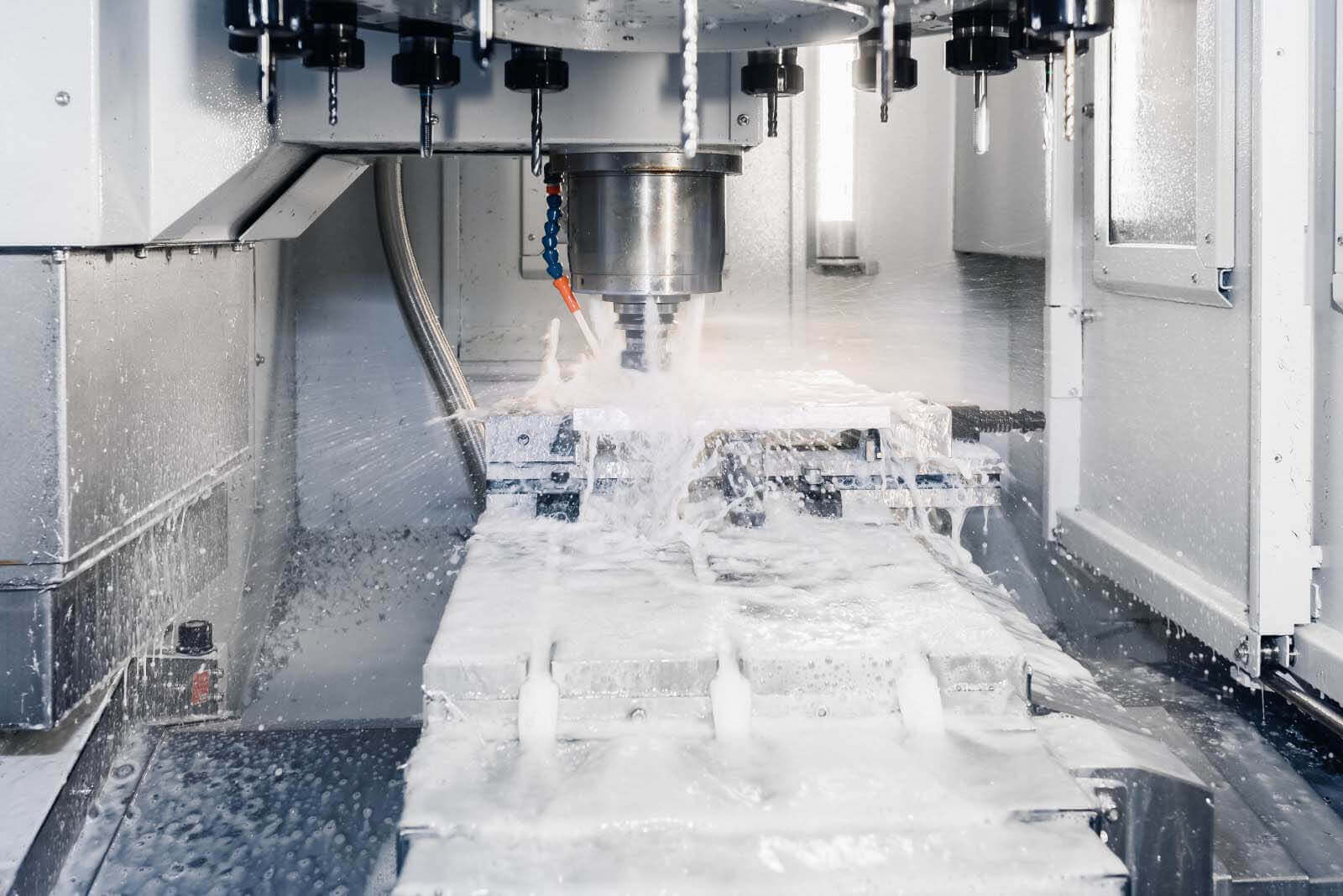
Optimized design extends beyond the virtual realm to encompass manufacturing processes and assembly methods. Engineers must consider manufacturability and assembly ease during the design phase to streamline production and minimize costs. This section examines the impact of design choices on manufacturing processes and assembly efficiency, emphasizing the importance of design-for-manufacturability principles in achieving seamless production workflows.
Digitization and Intelligence in Manufacturing Processes:
The advent of digitization and intelligent manufacturing technologies has revolutionized the optimization landscape, enabling real-time monitoring, adaptive control, and predictive maintenance. Digital twins, IoT connectivity, and AI-driven analytics facilitate data-driven decision-making, enhancing process efficiency and product quality. This section explores the integration of digitization and intelligence into manufacturing processes, highlighting their transformative impact on achieving seamless workflows in mechanical part production.
Case Studies of Design Optimization:
Case studies provide tangible examples of the benefits of design optimization in mechanical part manufacturing. By examining real-world applications and success stories, engineers can gain insights into the practical implementation and outcomes of optimized design strategies. This section presents case studies that illustrate the impact of design optimization on manufacturing efficiency, cost-effectiveness, and product quality.
Future Trends and Outlook:
The future of design optimization in mechanical part manufacturing is characterized by ongoing innovation and technological advancement. Emerging trends such as generative design, additive manufacturing, and collaborative robotics hold promise for further enhancing design optimization and manufacturing efficiency. This section discusses future trends and opportunities in design optimization, offering insights into the evolving landscape of mechanical part production.
Conclusion:
In conclusion, optimized design serves as the cornerstone of seamless manufacturing processes for mechanical parts, driving efficiency, quality, and innovation. By embracing design optimization principles, manufacturers can achieve superior performance, cost-effectiveness, and sustainability in mechanical part production. As we navigate the complexities of modern manufacturing, let us harness the power of optimized design to propel the industry towards a future of seamless workflows and unparalleled excellence.