Streamlining Drone Production: The Efficiency of CNC Milling
Jan 08, 2024
Leave a message
The proliferation of drone technology has revolutionized industries ranging from agriculture and construction to filmmaking and surveillance. As these unmanned aerial vehicles (UAVs) become increasingly integrated into our daily lives, the demand for efficient and reliable drone production has surged. One of the pivotal technologies driving this efficiency is Computer Numerical Control (CNC) milling. In this article, we delve into how CNC milling is streamlining the production of drones, enhancing their capabilities, and contributing to the growth of the UAV industry.
The Rise of Drone Technology
Introduction to UAVs:
Unmanned Aerial Vehicles (UAVs), commonly known as drones, have witnessed an exponential rise in popularity and applications. They are now employed in various sectors, including agriculture, environmental monitoring, disaster relief, and even consumer recreational use. The versatility of drones has made them indispensable tools in a wide array of industries.
The Connection Between Performance and Production:
The increasing demand for drones, whether for commercial or recreational purposes, has necessitated the need for efficient and cost-effective production methods. The efficiency of production directly impacts the affordability, accessibility, and overall quality of drones, making it a vital aspect of the UAV industry's growth.
CNC Milling: The Backbone of Modern Manufacturing
Understanding CNC Milling:
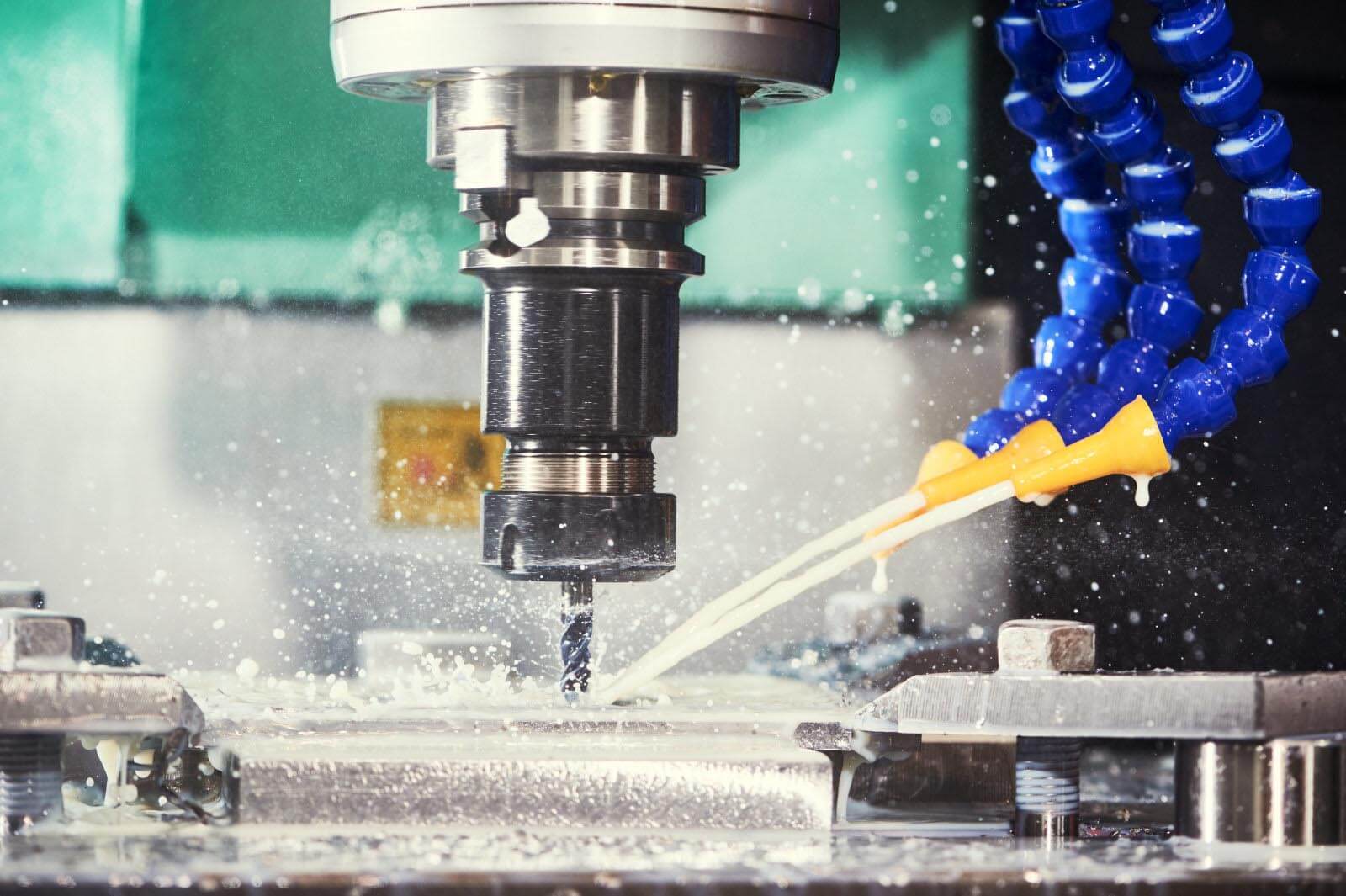
CNC milling is a computer-controlled manufacturing process that utilizes rotary cutting tools to remove material from a workpiece, resulting in precisely shaped components. It has become the linchpin of modern manufacturing due to its unmatched precision, versatility, and ability to produce complex parts with ease.
The Role of CNC Milling in Drone Production:
In the context of drone production, CNC milling plays a pivotal role in crafting the components that make up these aerial marvels. From the intricate design of propellers and motor mounts to the precision required for camera gimbals and landing gear, CNC milling ensures that each piece meets stringent standards for accuracy, durability, and performance.
The Efficiency Challenges in Drone Production
Complex Designs and Materials:
One of the primary challenges in drone production is the complexity of designs and the diversity of materials used. Drones require lightweight yet durable components, often with intricate geometries. This complexity can slow down traditional manufacturing methods and increase production costs.
Material Selection Dilemmas:
Material selection is another key challenge. The choice of materials directly influences a drone's weight, strength, and overall performance. Different parts of a drone may require various materials, adding complexity to the production process.
CNC Milling: The Efficiency Advantages
Precision and Consistency:
CNC milling excels in addressing these efficiency challenges. Its computer-controlled precision ensures consistent and accurate machining, reducing the likelihood of errors and rework. This is particularly valuable when producing complex drone components with tight tolerances.
Automation and Customization:
CNC milling machines can operate autonomously, running programmed tasks with minimal human intervention. This level of automation significantly speeds up production while allowing for customization. Drones can be tailored to specific applications or customer requirements with ease.
From CAD Design to Physical Components
CAD-CAM Integration:
One of the key efficiencies offered by CNC milling is its integration with Computer-Aided Design (CAD) and Computer-Aided Manufacturing (CAM) systems. Designers can create detailed digital models of drone components using CAD software, which can be seamlessly translated into machining instructions for CNC milling machines using CAM software.
The Speed of Transformation:
This transformation from digital design to physical component is swift and precise. Complex shapes and contours can be reproduced with unparalleled accuracy, ensuring that each drone part is manufactured to exact specifications.
The Future of Drone Manufacturing
Smart Manufacturing and Automation:
As drone technology continues to evolve, the future of drone manufacturing is likely to embrace smart manufacturing and automation. Advanced CNC milling machines equipped with artificial intelligence and machine learning capabilities may further enhance production efficiency.
Cost Reduction and Accessibility:
Efficient production methods like CNC milling have the potential to reduce the overall cost of drones, making them more accessible to a wider range of consumers and businesses. This, in turn, could drive even greater demand for UAVs.
Conclusion: The Role of CNC Milling in the UAV Industry
In conclusion, the growth and efficiency of drone production are intrinsically linked, and CNC milling stands at the forefront of this synergy. Its precision, automation, and versatility are instrumental in addressing the challenges posed by complex designs and material selection. As drone technology continues to advance, CNC milling will remain a driving force in streamlining production, enhancing drone capabilities, and contributing to the continued expansion of the UAV industry. Whether it's for aerial photography, agriculture, or search-and-rescue missions, CNC milling plays a vital role in ensuring that drones are not only efficient but also reliable tools for a variety of applications.