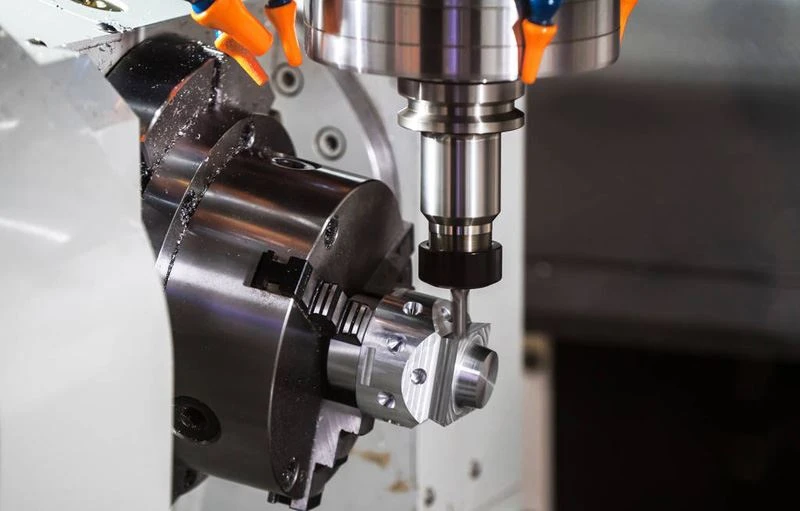
Some common problems and solutions in CNC machining process are discussed in detail
Jul 20, 2021
Leave a message
1. When we process CNC products, when the height direction size changes greatly, do not adjust the depth of the wear tool repair, first check whether there is aluminum slag inside the tool handle and spindle, and then add the wear tool repair after confirming that there is no slag.
2. Clamping is a frequent problem in CNC processing. On the one hand, it may be that the operator does not blow clean the product or tooling in clamping, which can be completed by strengthening training. On the other hand, it may be that the contact surface of the clamping product is larger, so it can be solved by replacing the clamp mouth. The tooling can also be placed in the direction of the oil pipe when adjusting the machine, so that it is easy to clean up the residual material and reduce the clipping injury.
3. When we process the aluminum holes with precision requirements, it is easy to appear taper, especially when the hole depth is longer, it is difficult to ensure that the next one can be opened first, leaving a small amount of allowance and then boring cutter.
4. When CNC processes aluminum parts with high surface finish requirements, the rough cutter grain is difficult to meet customer requirements. At this time, the flying knife can be installed with PCD knife grains on the large surface, and the PCD flat knife can be customized on the small surface to improve surface finish.
5. 304 stainless steel material, processing is easy to wear tool, cold cutting fluid can be changed to oil cooling, oil cooling can improve the service life of the tool. At the same time in the processing of aluminum tapping tooth diameter is small, easy to break the wire tapping can also be oil cold cutting.
6 in the CNC milling machine corner bullet knife when found in the product corner bullet knife, we can first analyze the size of the corner of the product, the use of less than the corner R Angle of the tool. It can also be solved by reducing the spindle speed.
7 chamfering burr, when found after the product chamfering and burr, first check whether the tool is worn, if the tool is intact, and then check the size of the depth and range of chamfering, generally these two aspects can solve the problem of chamfering burr.
8. The thickness of the products is different when clamping with the clamp mouth, the outside size is thinner, the inside size is thicker. This is to jack up the product by clamping the outside jaws. It is necessary to pay attention to whether the moving parts of the jaws are too loose. The problem of different product thicknesses can be solved by locking them tightly.