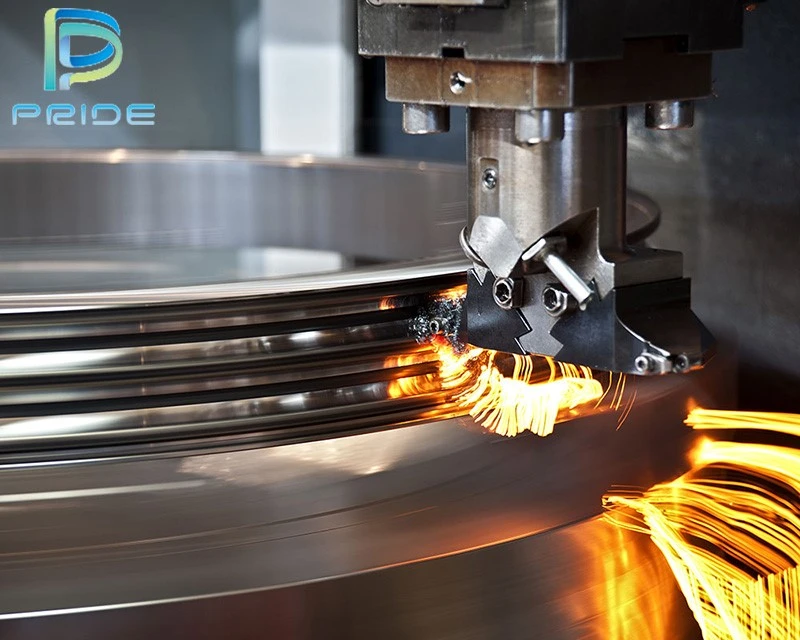
Precision in Custom CNC Machining: Ensuring Quality in Every Cut
Nov 20, 2023
Leave a message
In the realm of modern manufacturing, Custom CNC (Computer Numerical Control) machining stands as a cornerstone, essential for crafting components with supreme accuracy and precision. This article delves into the heart of CNC machining, emphasizing the pivotal role of precision in assuring top-notch quality.
Understanding CNC Machining and Its Applications
CNC machining is a manufacturing process where pre-programmed computer software dictates the movement of factory tools and machinery. This method can be used to control a range of complex machinery, from grinders and lathes to mills and routers. With its ability to facilitate the production of intricate parts with utmost precision, CNC machining finds applications across various sectors including aerospace, automotive, and healthcare.
The journey of CNC technology is a tale of continual advancement. From rudimentary manual operations, it has evolved into a highly sophisticated, automated process that ensures accuracy, repeatability, and enhanced speed in production.
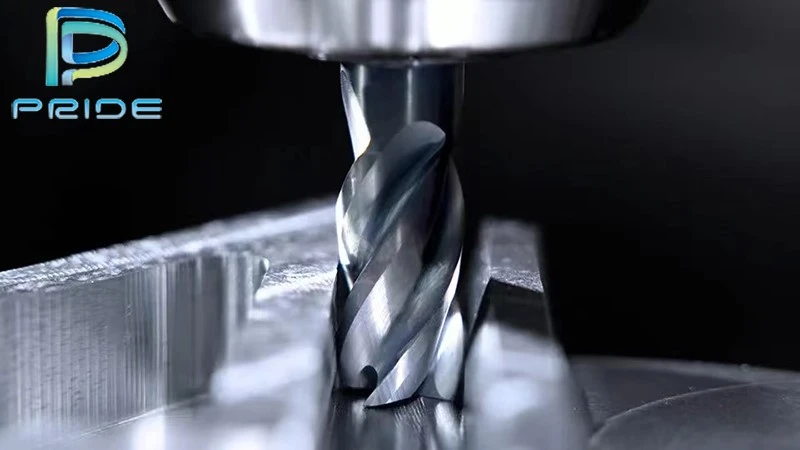
The Role of Precision in CNC Machining
Precision in CNC machining isn't just a requirement; it's the benchmark for quality. It's about achieving the exact dimensions as specified in design blueprints. The essence of precision lies in maintaining tight tolerances and producing components that fit and function flawlessly. In a landscape where a micron-level discrepancy can lead to product failure, the accuracy of CNC machines is non-negotiable.
Factors Influencing Precision in CNC Machining
The quest for precision in CNC machining is influenced by several factors. The choice of material, for instance, plays a critical role. Different materials behave differently under machining processes, and choosing the right material is crucial for achieving desired precision.
Machine calibration and maintenance are paramount. Regular calibration ensures that machines operate within their designated parameters, reducing the risk of errors. Moreover, skilled operators and programmers are vital in interpreting blueprints accurately and adjusting the machine operations accordingly.
Advanced Technologies Enhancing Precision
Technological advancements have significantly elevated the precision of CNC machining. State-of-the-art software enables more accurate programming, allowing for intricate designs with closer tolerances. Automation and Artificial Intelligence (AI) have also made strides in this field, enabling machines to make real-time adjustments for unprecedented accuracy.
Case Studies: Success Stories in Precision CNC Machining
Take, for instance, the aerospace industry, where the precision of each component can be a matter of life and death. CNC machining has been instrumental in producing parts that meet stringent industry standards, thus ensuring safety and reliability. These success stories underscore the transformative impact of precision CNC machining across sectors.
Challenges and Solutions in Maintaining Precision
Despite the advanced technology, challenges in maintaining high precision do arise. Material inconsistencies, tool wear, and environmental factors can all affect machining accuracy. Addressing these challenges requires a combination of regular machine maintenance, skilled workforce, and ongoing quality checks.
The Future of Precision in CNC Machining
The future of CNC machining promises even greater precision. With continuous improvements in software algorithms and the integration of AI and IoT (Internet of Things), the next generation of CNC machines will be more accurate, efficient, and capable of handling even more complex tasks.
Conclusion
Precision in custom CNC machining is not just about following dimensions; it's about upholding the integrity of design and functionality. As technology continues to evolve, the commitment to precision remains steadfast, ensuring the highest quality in every cut.