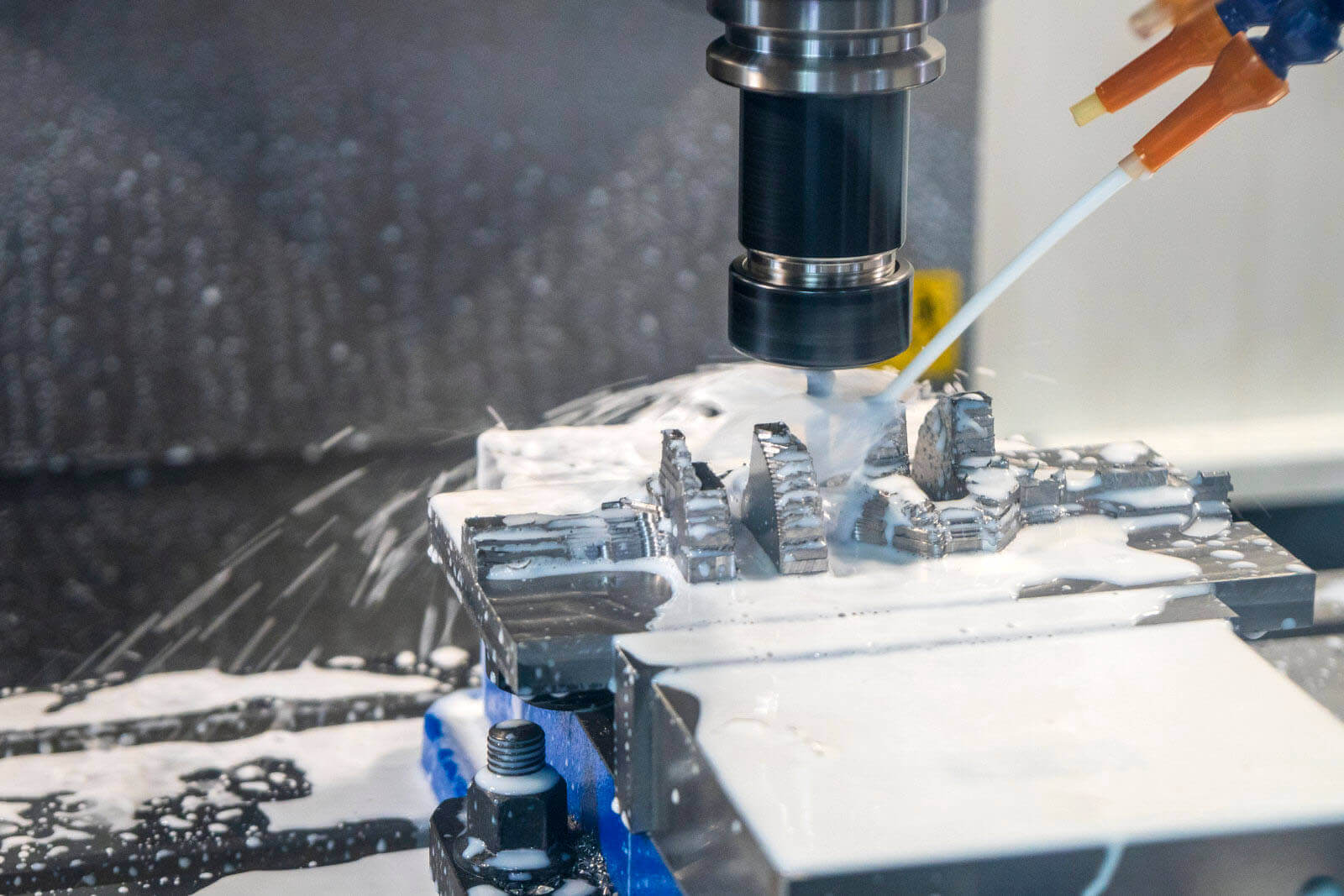
Precision and Reliability in CNC Transmission Parts: Strategies for Enhancement
Apr 19, 2024
Leave a message
CNC transmission parts are indispensable components across various industries, ensuring the smooth and reliable transfer of power and motion. In this comprehensive guide, we explore strategies to enhance the precision and reliability of CNC transmission parts, meeting the stringent manufacturing standards and performance requirements.
The Impact of Precision Requirements on CNC Transmission Parts
Precision requirements significantly influence the design, manufacturing, and performance of CNC transmission parts. Tight tolerances and precise geometries are essential for ensuring optimal functionality and compatibility within complex systems. Manufacturers must meticulously adhere to precision standards to guarantee the integrity and reliability of transmission components.
Manufacturing Process Influence on Precision and Reliability
The manufacturing process profoundly affects the precision and reliability of CNC transmission parts. Factors such as machining techniques, material selection, and assembly procedures directly impact part accuracy and durability. Optimizing manufacturing processes, from raw material preparation to final assembly, is crucial for achieving consistent quality and reliability in transmission part production.
Importance of Tooling and Tool Management
Effective tooling selection and management are paramount for achieving precision and reliability in CNC transmission part manufacturing. The choice of cutting tools, including end mills, drills, and inserts, significantly impacts machining accuracy and surface finish. Furthermore, implementing robust tool management practices, such as tool presetting and condition monitoring, ensures consistent machining performance and minimizes the risk of tool-related errors.
Optimization and Control of Machining Parameters
Optimizing and controlling machining parameters are essential for achieving the desired precision and reliability in CNC transmission part manufacturing. Parameters such as cutting speed, feed rate, and tool engagement directly influence machining accuracy and surface finish quality. By fine-tuning machining parameters and employing advanced control systems, manufacturers can achieve superior levels of precision and reliability in transmission part production.
Material Selection and Material Properties
Material selection plays a crucial role in determining the precision and reliability of CNC transmission parts. The choice of materials, including metals, alloys, and composites, must align with performance requirements and environmental conditions. Understanding material properties, such as strength, hardness, and thermal conductivity, is essential for selecting materials that ensure long-term reliability and performance of transmission components.
Case Studies: Exploring Successful Applications
Real-world case studies provide valuable insights into successful strategies for enhancing precision and reliability in CNC transmission part manufacturing. These case studies showcase examples of companies that have successfully implemented precision optimization techniques, resulting in improved product quality, reliability, and customer satisfaction. By analyzing these success stories, manufacturers can glean valuable lessons and best practices to apply in their own operations.
Continuous Improvement and Technological Innovation
Continuous improvement and technological innovation are essential for maintaining competitiveness and meeting evolving customer demands in CNC transmission part manufacturing. Manufacturers must embrace a culture of continuous improvement and invest in research and development to stay ahead of the curve. Emerging technologies, such as advanced machining processes, digitalization, and automation, offer new opportunities for enhancing precision, reliability, and efficiency in transmission part production.
Conclusion
In conclusion, enhancing the precision and reliability of CNC transmission parts is essential for ensuring optimal performance and longevity in various industrial applications. By focusing on precision optimization, robust manufacturing processes, effective tooling management, and continuous improvement, manufacturers can achieve superior levels of quality, reliability, and customer satisfaction in transmission part manufacturing.