Precise Engineering: The Key to High-Performance Drone Components with CNC Milling
Jan 08, 2024
Leave a message
In the world of modern technology and innovation, drones have become increasingly prevalent, serving a multitude of purposes from surveillance and aerial photography to deliveries and search and rescue missions. At the heart of these unmanned aerial vehicles (UAVs) lie intricately designed components, and the precision craftsmanship behind their creation plays a pivotal role in the functionality and reliability of these flying machines.
CNC Milling: The Precision Path to Drone Component Manufacturing
Introduction to CNC Milling:
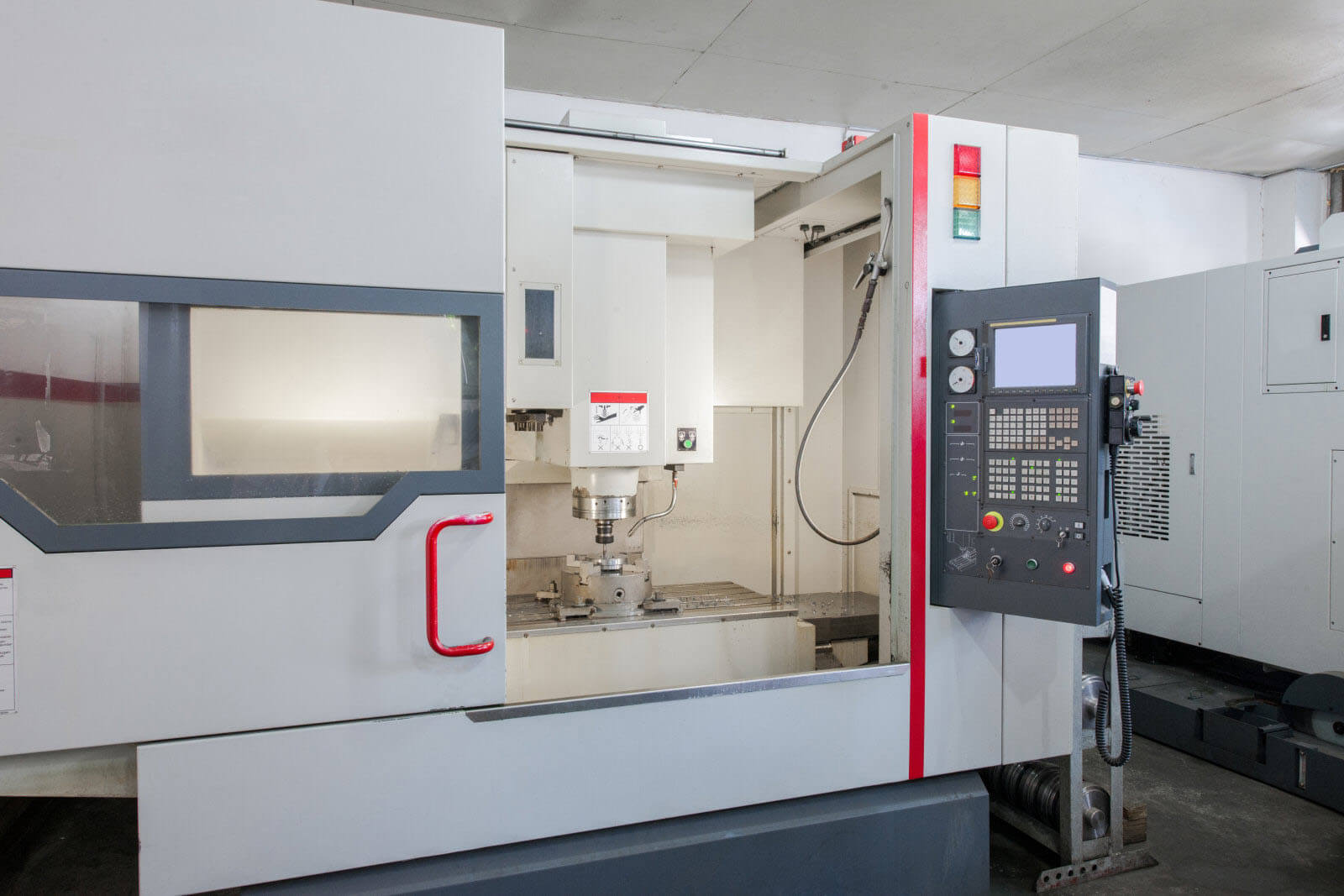
CNC milling, short for Computer Numerical Control milling, is a machining process that utilizes computerized controls and rotating cutting tools to remove material from a workpiece. This technology has revolutionized the manufacturing industry and has found a particularly significant application in the creation of drone parts.
CAD Design to Physical Component:
One of the most remarkable aspects of CNC milling in the context of drone manufacturing is its ability to transform intricate Computer-Aided Design (CAD) models into tangible components. Engineers and designers can create detailed digital blueprints of drone parts, specifying every dimension and contour. These digital models are then converted into machine-readable code, which guides CNC milling machines to shape raw materials into precise replicas of the CAD designs.
Material Selection: The Backbone of CNC Milled Drone Components
The Significance of Material Selection:
The materials used in CNC milling play a crucial role in determining the performance, durability, and weight of drone components. The choice of material is influenced by factors such as the intended application, desired strength-to-weight ratio, and environmental conditions the drone may encounter during its missions.
Common Materials for Drone Parts:
Aluminum Alloys: These alloys are favored for their lightweight nature and corrosion resistance. They are often used for drone frames and structural components.
Carbon Fiber: Known for its exceptional strength-to-weight ratio, carbon fiber is a popular choice for drone arms and rotor blades.
Titanium: Renowned for its strength and biocompatibility, titanium finds applications in critical drone components, such as landing gear and fasteners.
Plastics and Polymers: Lightweight and cost-effective, plastics are used for various non-structural drone parts, including housings and covers.
The selection of the right material ensures that the drone operates efficiently and can withstand the stresses and conditions it will encounter during its operational life.
Precision Machining: The Heart of CNC Milling
The Role of Precision:
The success of drone missions often hinges on the precision of the components that make up the UAV. CNC milling excels in producing components with exceptional precision, adhering to tight tolerances and specifications. This level of accuracy is vital, as even the slightest deviation in the dimensions of critical parts can compromise the drone's performance and safety.
Complex Geometries and Intricate Designs:
Drones are known for their intricate designs, including complex geometries that optimize aerodynamics and functionality. CNC milling machines excel at handling these complex shapes and can produce components with intricate contours, beveled edges, and fine details.
Five-Axis CNC Milling:
For the most complex drone components, manufacturers often employ five-axis CNC milling machines. These machines offer enhanced versatility and can rotate the workpiece on multiple axes, allowing for even more intricate and three-dimensional shapes. Components such as rotor hubs, which require precise machining from various angles, benefit greatly from five-axis milling.
Quality Control: Ensuring Precision in Every Drone Part
Importance of Quality Control:
In the realm of drone manufacturing, quality control is paramount. Precision and consistency are non-negotiable, and rigorous quality control measures are implemented at every stage of production. This includes thorough inspections, measurements, and testing to verify the integrity and performance of each drone component.
Meeting Stringent Standards:
Drone manufacturers adhere to strict quality standards and regulations, ensuring that their products meet or exceed industry and safety requirements. This commitment to quality control helps guarantee the reliability and safety of drones used in various applications, from aerial photography to critical search and rescue operations.
Looking Ahead: The Future of CNC Milling in Drone Technology
Innovations and Trends:
As technology continues to advance, the future of CNC milling in drone technology holds exciting possibilities. Innovations such as the integration of artificial intelligence (AI) for real-time adjustments during milling and the use of advanced materials like graphene composites are on the horizon. These developments aim to further improve drone performance, extend battery life, and enhance mission capabilities.
Conclusion: Mastering Precision Craftsmanship
In conclusion, the precision craftsmanship behind CNC milling of drone parts is the cornerstone of modern UAV technology. From the initial CAD design to the selection of materials, precision machining, and rigorous quality control, every step contributes to the creation of reliable and high-performance drone components. As the drone industry continues to evolve, the role of CNC milling remains at the forefront, shaping the future of unmanned aerial vehicles and their applications in various fields.