Micro Machining Explored: Future Trends in Precision Manufacturing
Dec 22, 2023
Leave a message
In the ever-evolving landscape of modern manufacturing, micro machining technology stands as a beacon of precision and innovation. This intricate field, a testament to human ingenuity, has drastically transformed how we approach the design and fabrication of tiny, complex components. In this comprehensive overview, we delve into the fascinating world of micro machining – exploring its origins, current technologies, and the promise it holds for the future of manufacturing.
Micro machining, a process that enables the creation of incredibly small and precise parts, has become indispensable in various industries. From medical devices that save lives to the microelectronics that power our digital world, the applications are as diverse as they are critical. As we embark on this journey through the history, principles, and cutting-edge advancements in micro machining, we will uncover how this technology is not just about miniaturization, but a leap towards greater precision and efficiency in manufacturing.
The development history of micro-machining technology
Preliminary Study:
The journey of micro machining begins several decades ago, rooted in the quest for precision and miniaturization. Initially, the concept was limited by the technology of the time, but visionary engineers saw its potential. The early experiments in micro machining laid the foundation for what would become a pivotal manufacturing technique. These pioneering efforts were marked by incremental advances, as the industry gradually understood the intricacies of working on such a small scale.
Technological breakthrough:
The real breakthrough in micro machining came with the advent of advanced computer numerical control (CNC) systems and laser technology. These technologies provided the precision and control necessary to produce parts with minute details reliably. Over the years, advancements in materials science, precision engineering, and computer-aided design (CAD) have further propelled micro machining into new realms of possibility. Today, the technology is not only more accessible but also more versatile, allowing for the creation of components with complexities that were once deemed impossible.
Basic principles of micromachining
processing methods:
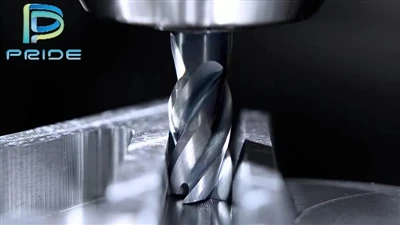
Micro machining primarily involves subtractive manufacturing processes, where material is removed to create detailed features. Techniques such as micro milling, micro drilling, and laser micro machining are commonly used, each suited for different materials and applications. Micro milling, for instance, involves the use of tiny cutters to carve out intricate designs, while laser micro machining uses focused laser beams to vaporize material with extreme precision.
Accuracy and Tolerance:
The hallmark of micro machining is its ability to achieve high levels of precision and tight tolerances, often in the range of micrometers or even nanometers. This precision is crucial in applications where even the slightest deviation can lead to significant performance issues. The challenge lies not only in the machining process itself but also in the measurement and verification of such small dimensions, which often require sophisticated metrology equipment.
Current Microfabrication Technology
advanced equipment:
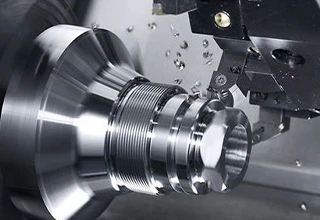
Modern micro machining has evolved to incorporate a range of sophisticated equipment. CNC machines, now highly advanced, offer unprecedented control and accuracy, enabling the machining of extremely small parts with complex geometries. Additionally, the integration of automation and robotics in micro machining setups enhances precision and repeatability, essential for mass production of micro components.
Technological innovation:
Recent innovations in micro machining include the development of ultra-high-speed spindles and the use of exotic materials for tooling, which significantly improve machining efficiency and surface finish quality. Another noteworthy advancement is the use of hybrid machining processes, combining, for instance, laser and traditional machining, to exploit the strengths of each technique. These innovations not only expand the capabilities of micro machining but also open new avenues for research and development.
Micromachining applications in different industries
Medical equipment:
In the medical field, micro machining plays a crucial role in the creation of life-saving devices. Intricate components for minimally invasive surgery tools, implants, and diagnostic equipment are all products of micro machining. The ability to produce such detailed and reliable parts is vital in a sector where precision can mean the difference between life and death.
Microelectronics:
The microelectronics industry heavily relies on micro machining for the production of components like microchips, sensors, and connectors. The continued push towards smaller, more efficient electronic devices has only increased the demand for micro machining services. The technology's precision and ability to work with a variety of materials make it indispensable in this rapidly advancing field.
Challenges and future trends of micro-machining
Current challenges:
Despite its advancements, micro machining faces several challenges. Material behavior at micro scalesch to understand and mitigate issues like tool wear and material deformation. Additionally, as the dimensions of components decrease, handling and assembling these tiny parts become increasingly difficult, necessitating specialized techniques and equipment.
Future outlook:
The future of micro machining is poised for significant growth, driven by the continuous demand for miniaturization and precision in various industries. Emerging trends include the integration of AI and machine learning for enhanced process control and predictive maintenance, and the exploration of new materials and micro fabrication techniques. As industries like aerospace, telecommunications, and biotechnology advance, the role of micro machining in producing the next generation of components and devices becomes even more crucial.
conclusion
Micro machining technology, a marvel of modern manufacturing, has reshaped our approach to precision engineering. From its humble beginnings to the sophisticated techniques of today, this technology has proven indispensable across a multitude of sectors. As we have explored, the applications are vast and the potential for innovation boundless. The future of micro machining promises even greater advancements, with the potential to unlock new capabilities in manufacturing and beyond.
As we continue to push the boundaries of what is possible, the importance of staying abreast of technological advancements in micro machining cannot be overstated. It is a field that not only reflects our current capabilities but also charts the path for future developments in precision manufacturing.