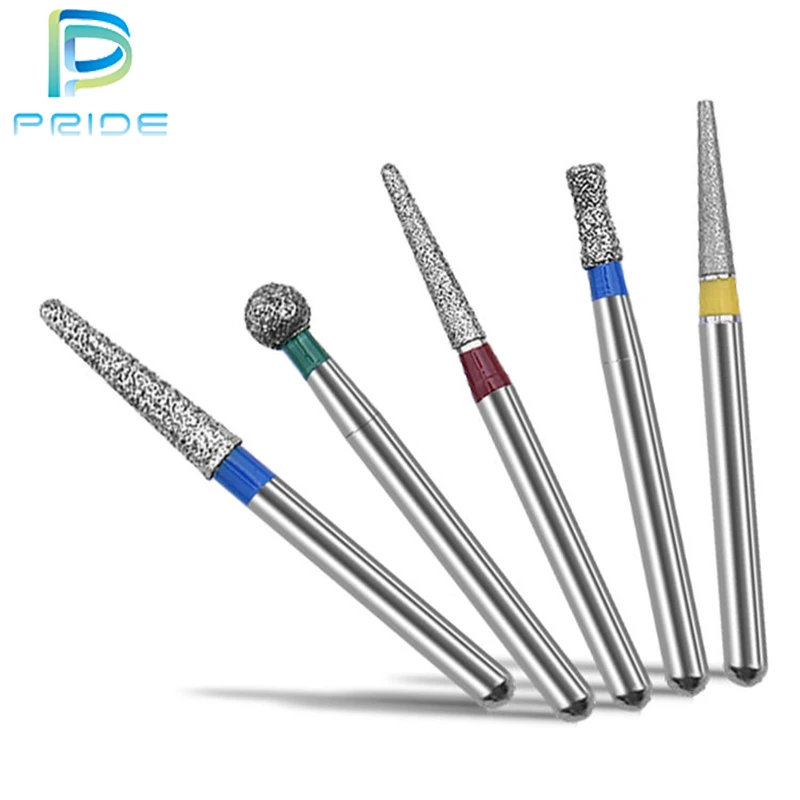
Meeting Dental Industry Standards: The Precision of CNC Burs
Dec 18, 2023
Leave a message
In the meticulous world of dentistry, every tool plays a pivotal role, and dental burs are no exception. These tools are instrumental in numerous dental procedures, from basic cavity preparations to complex surgical interventions. In this high-stakes arena, adhering to dental industry standards is not just a matter of compliance but a cornerstone of patient safety and effective treatment. This article delves into how precision CNC (Computer Numerical Control) burs not only meet but often exceed these rigorous standards, setting a new benchmark in dental care.
The Importance of Industry Standards in Dentistry
Industry standards in dentistry are akin to safety nets - they ensure every dental tool meets rigorous criteria for safety and efficacy. These standards, often set by regulatory bodies like the FDA and governed by certifications such as ISO, are not mere guidelines but mandatory requirements. They are pivotal in safeguarding patient health and ensuring successful treatment outcomes. Dental burs, in particular, must conform to these standards, as their precision directly impacts the quality of dental work.
Overview of CNC Technology in Dental Burr Manufacturing
The advent of CNC technology has revolutionized dental burr manufacturing. Through precise computer-controlled processes, CNC machines can produce dental burs with exceptional accuracy and consistency. This technology allows for intricate designs and exact tolerances, unattainable through traditional manufacturing methods. The result is a range of burs that offer unparalleled precision, significantly enhancing the quality of dental procedures.
Compliance with Standards: CNC Dental Burs
CNC dental burs stand at the forefront of compliance with industry standards. These burs are manufactured using high-quality materials and undergo rigorous quality control processes to ensure each bur meets or exceeds established standards. For instance, the use of biocompatible materials and adherence to sterilization protocols are critical components in aligning with FDA regulations. Similarly, ISO certifications attest to the quality management systems in place, guaranteeing the reliability and safety of these burs.
Benefits of Precision CNC Dental Burs in Clinical Practice
The clinical advantages of using precision CNC dental burs are manifold. In practice, these burs provide dentists with a higher degree of accuracy, significantly enhancing the efficacy of procedures. This precision translates into more conservative treatments, preserving more of the natural tooth structure and reducing the likelihood of complications. Additionally, the reliability of these burs contributes to shorter procedure times and, by extension, improved patient comfort and satisfaction.
Challenges and Solutions in Standard Compliance
While CNC technology significantly enhances the quality and precision of dental burs, manufacturers sometimes face challenges in meeting evolving industry standards. These challenges may include adapting to new material specifications, implementing advanced sterilization techniques, or integrating more environmentally friendly manufacturing processes. Solutions have emerged in the form of continuous innovation in manufacturing technologies, investment in research and development, and collaboration with regulatory bodies to ensure compliance. These efforts not only help in meeting current standards but also in setting new benchmarks for quality and safety in dental equipment.
Future Trends in Dental Burs and Industry Standards
Looking towards the future, dental bur technology is poised to undergo further transformations. We can anticipate advancements in materials science, leading to even more durable and efficient burs. The integration of digital technology in dental practice might also influence the design and functionality of dental burs. As these innovations unfold, industry standards will likely evolve to encompass these new technologies, continuing to ensure that dental tools are safe, effective, and of the highest quality. This evolution will further enhance the ability of dental professionals to provide the best possible care to their patients.
Conclusion
The role of precision CNC dental burs in meeting and exceeding dental industry standards cannot be overstated. As these tools continue to evolve, they will play an integral part in enhancing the quality of dental care. For dental professionals, staying informed about these advancements and adhering to industry standards is crucial. By choosing the right tools, they can ensure the highest level of care for their patients, reinforcing the trust and reliability that are the hallmarks of excellent dental practice.