Mastering Tapping in CNC Lathe Operations: A Comprehensive Guide to Techniques and Tools
Apr 15, 2024
Leave a message
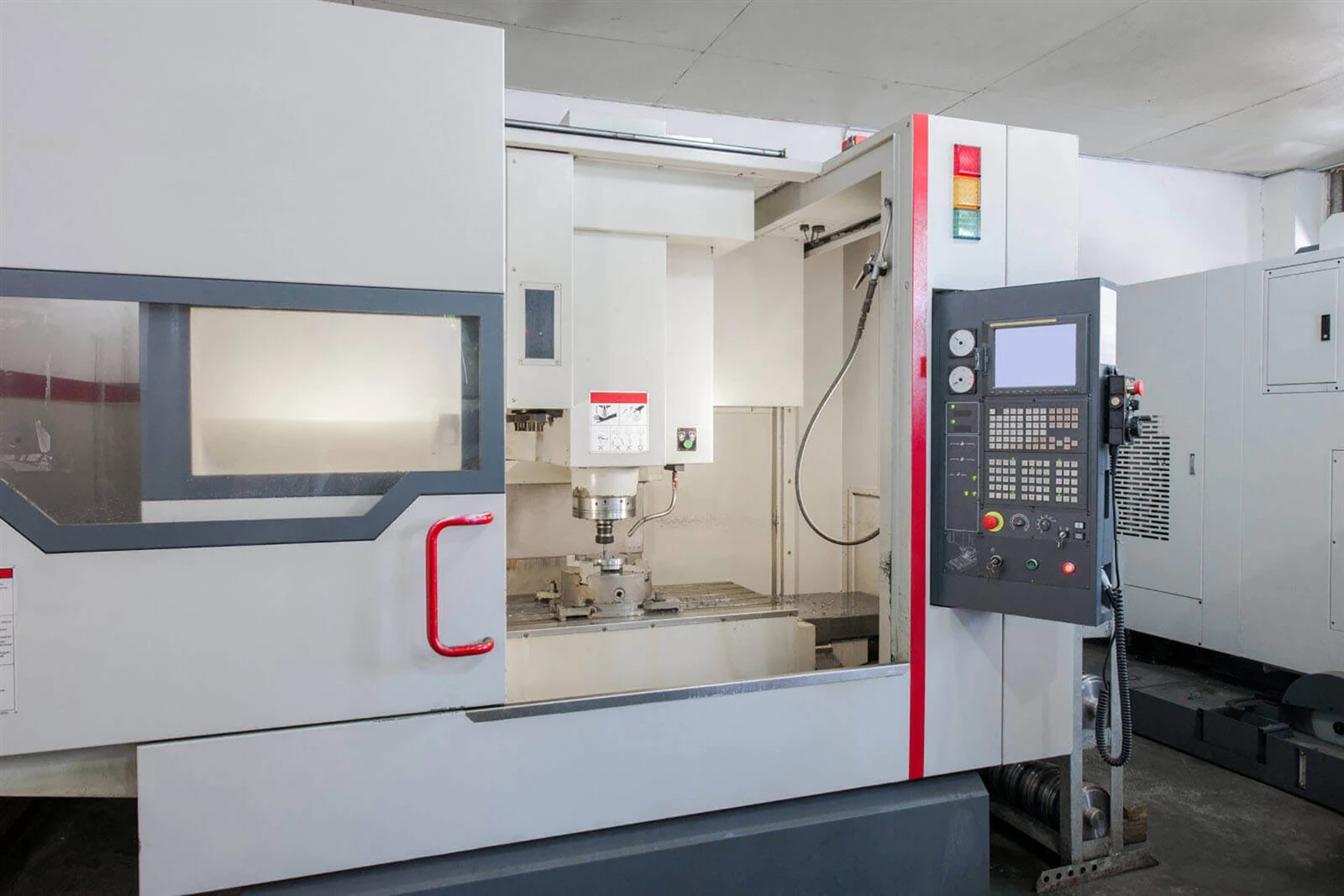
Tapping in CNC lathes is a pivotal process in modern manufacturing, enabling precise internal threading that is essential for the assembly of various mechanical components. As part of the broader capabilities of Computer Numerical Control (CNC) technology, tapping on CNC lathes stands out for its precision and efficiency. This introduction provides an overview of how CNC lathe machinery is equipped to handle complex tapping operations, thus playing a crucial role in industries ranging from automotive to aerospace.
The Basics of Tapping on CNC Lathes
What is Tapping and Why is it Important?
Tapping is the process of cutting internal threads in a pre-drilled hole, allowing for fastening applications such as bolts and screws. This operation is fundamental in manufacturing sectors where component assembly requires exacting standards of accuracy and strength. The uniqueness of tapping in CNC operations lies in its ability to produce uniform and precise threads that ensure the reliability and durability of the final product.
Different Types of Taps Used in CNC Operations
Straight Taps: The most common type of tap, designed for creating threads in through holes where the chips move upwards and out of the hole.
Spiral Point Taps: Often called 'gun taps', these push the chips forward and are ideal for creating threads in through holes.
Forming Taps: Rather than cutting threads, forming taps deform the metal to create threads, which results in stronger threads and no chip formation.
The Tapping Process Explained
Step-by-Step Guide to the Tapping Process on a CNC Lathe
The tapping process on a CNC lathe begins with selecting the appropriate tap and holder. The CNC machine then aligns the tap with the pre-drilled hole. Controlled by precise programming, the tap is rotated and gradually fed into the hole at a specific speed and feed rate, carefully creating the internal threads.
Tool Selection for Optimal Tapping
Choosing the Right Tap for Different Materials: Material properties significantly affect tap choice. Harder materials require taps with higher durability, such as those made from carbide, whereas softer materials can be effectively tapped with high-speed steel taps.
Importance of Tap Geometry and Coating: The geometry of the tap, including the number of flutes and the thread pitch, must be suited to the material and the type of thread required. Coatings can also enhance the tap's durability and performance, particularly in tougher materials.
Advantages of Using CNC Lathes for Tapping
The use of CNC lathes for tapping offers unparalleled precision and accuracy, crucial for high-quality threading. CNC technology provides consistent results at high speeds, significantly increasing productivity. Moreover, the automation of CNC lathes reduces the likelihood of errors and defects, further enhancing manufacturing efficiency.
Common Challenges and Solutions in Tapping
Addressing Common Issues in CNC Tapping
Despite the advancements in CNC technology, tapping operations can encounter issues such as tap breakage, thread misalignment, and premature wear.
Best Practices for Avoiding Tapping Errors
Lubrication Techniques: Proper lubrication reduces friction between the tap and the workpiece, minimizing wear and preventing tap breakage.
Speed and Feed Rate Adjustments: Optimizing the speed and feed rate can prevent overheating and reduce the strain on the tap, crucial for maintaining the integrity of the threads.
Technological Advancements in Tapping
Innovations in CNC tapping include the integration of multi-axis machining centers that allow more complex and accurate tapping operations. Automation and artificial intelligence (AI) have also begun to play roles, with smart systems capable of adjusting parameters in real-time for optimal threading.
Case Studies: Success Stories in CNC Tapping
Several real-world examples demonstrate the effectiveness of advanced CNC tapping techniques. For instance, a leading automotive parts manufacturer implemented high-precision CNC tapping to reduce production times and enhance thread quality across thousands of components, illustrating the profound impact of these advancements on manufacturing efficiency.
Conclusion
The future of tapping in CNC operations looks promising, with ongoing advancements expected to further enhance precision, efficiency, and adaptability. As technology evolves, tapping in CNC lathes will continue to be a cornerstone of modern manufacturing, essential for producing the high-quality threads needed in today's engineering applications. This understanding equips industry professionals with the knowledge to optimize their tapping processes and achieve superior manufacturing outcomes.