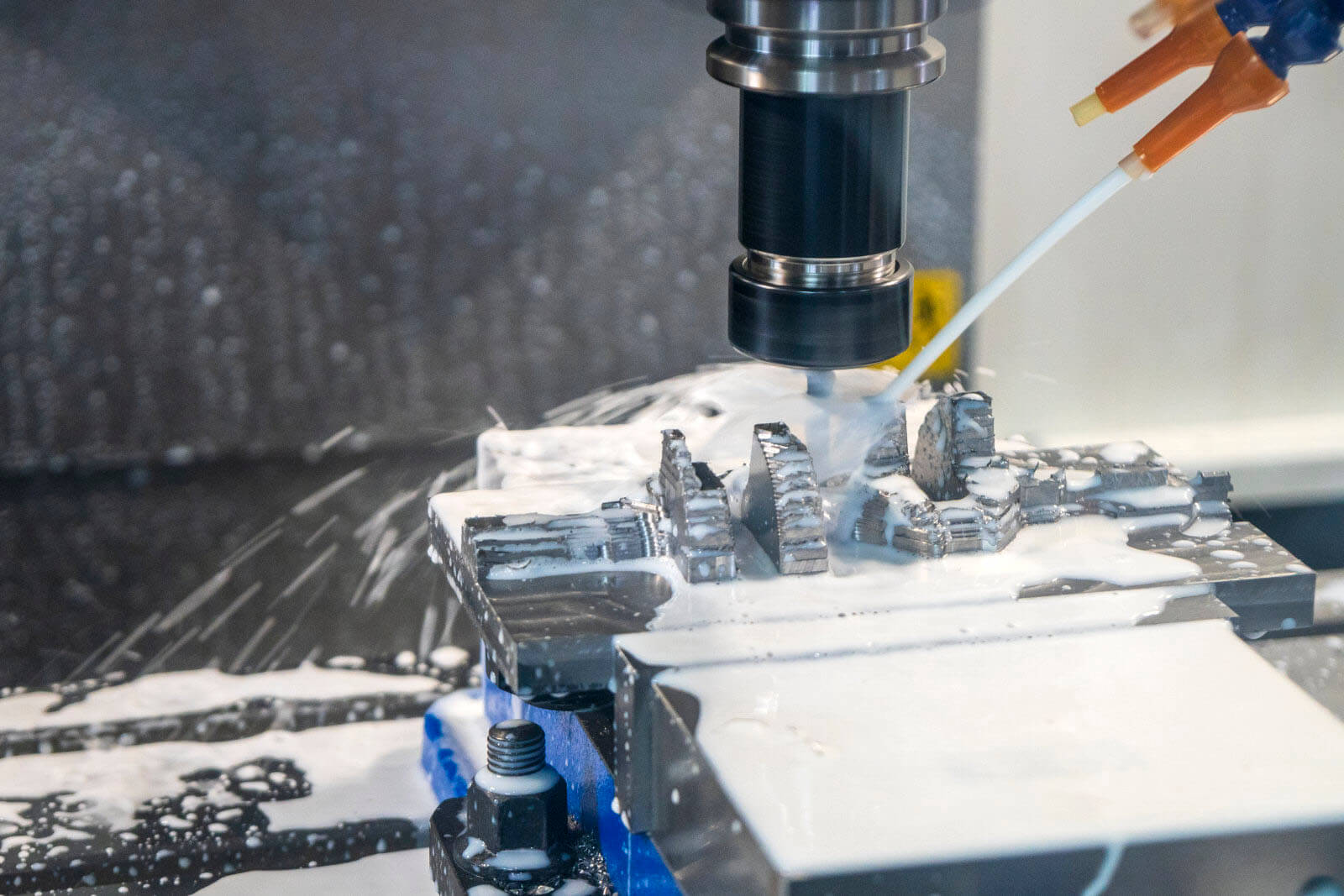
Mastering CNC Machining: A Comprehensive Guide to Choosing Between Titanium and Aluminum Alloys
Jan 15, 2024
Leave a message
In the dynamic realm of CNC machining, the choice of materials profoundly influences project success. This guide delves into the comparison of two widely used materials-titanium alloy and aluminum alloy. By understanding their characteristics and CNC machining performance, readers can make informed decisions for optimal material selection.
CNC Machining Overview
CNC machining stands as the cornerstone of modern manufacturing, offering precision and efficiency through computer-controlled processes. Before delving into material specifics, let's establish a foundational understanding of how CNC machining operates and its indispensable role across diverse industries.
Characteristics of Titanium Alloy
Physical Properties:
Density: Titanium alloys boast a low density, approximately 4.5 grams per cubic centimeter, ideal for weight-critical applications like aerospace.
Strength: Despite low density, titanium alloys exhibit exceptional strength, particularly in tensile strength, making them competitive in high-stress environments.
Melting Point: With a high melting point of 1668 degrees Celsius, titanium alloys showcase stability in high-temperature settings.
Chemical Properties:
Corrosion Resistance: Titanium alloys display outstanding corrosion resistance, suitable for applications in harsh environments like marine and chemicals.
Biocompatibility: Excellent biocompatibility makes titanium alloys invaluable in the medical field for artificial joints and dental implants.
Characteristics of Aluminum Alloy
Physical Properties:
Density: Aluminum alloys have a relatively low density, around 2.7 grams per cubic centimeter, contributing to their lightweight nature.
Strength: Despite low density, aluminum alloys demonstrate impressive strength, capable of withstanding high-stress environments.
Melting Point: The lower melting point, approximately 660 degrees Celsius, enhances machinability and formability.
Chemical Properties:
Corrosion Resistance: Aluminum alloys exhibit corrosion resistance to atmospheric oxygen, often enhanced with surface treatments.
Biocompatibility: Compared to titanium alloys, aluminum alloys have limited biocompatibility, restricting their use in medical applications.
Comparative Analysis
Exploring a comparative analysis, let's delve into the specific differences in performance between titanium and aluminum alloys in CNC machining.
Cutting Performance: High strength and hardness of titanium alloys present challenges in cutting processes, while aluminum alloys are generally easier to cut and shape.
Milling Performance: Due to their lower hardness, aluminum alloys are often more straightforward to mill, generating less heat during the process.
Drilling Performance: In drilling processes, aluminum alloys are typically more accommodating, while titanium alloys demand sturdier tools and careful operation.
These performance disparities hold significant implications for practical machining, and engineers must consider them based on project requirements.
Industry Application Cases
Examining real-world applications provides insights into how these alloys are utilized across different industries.
Aerospace: Titanium alloys find extensive use in aircraft structures and engine components due to their lightweight and high strength. Aluminum alloys are also employed in various aviation components.
Medical Devices: Titanium alloys, with their superior biocompatibility, are widely used in medical devices such as artificial joints and implants. The application of aluminum alloys in medical devices is comparatively limited.
Automotive Industry: The use of aluminum alloys in the automotive industry contributes to lightweight design, improving fuel efficiency. Titanium alloys also find applications in high-performance vehicles.
Electronics: Aluminum alloys, with their excellent thermal conductivity, are commonly used in electronics for heat sinks and casings.
CNC Machining Techniques and Best Practices
Efficient CNC machining of titanium and aluminum alloys requires specific techniques and best practices.
Titanium Alloy Machining: Due to its hardness and high melting point, machining titanium alloys often requires robust tools and efficient cooling systems. Stable cutting speeds and careful tool selection are crucial.
Aluminum Alloy Machining: Aluminum alloys, while generally easier to machine, require control of cutting speeds to avoid excessive heat generation.
Key Factors in Material Selection
Several factors must be carefully weighed when choosing between titanium and aluminum alloys.
Strength Requirements: For applications demanding high strength, titanium alloys may prove to be the superior choice.
Lightweight Design Requirements: In scenarios where lightweight design is crucial, aluminum alloys might be more appropriate.
Cost Considerations: Aluminum alloys are typically more cost-effective, making them suitable for projects with budget constraints.
Sustainability Considerations: The recyclability of aluminum alloys provides a sustainability advantage, reducing resource waste.
Future Outlook
Looking ahead, the future of CNC machining with titanium and aluminum alloys holds promising developments.
New Materials and Technologies: Advances in science and technology may introduce new alloys and machining techniques, enhancing performance and efficiency.
Automation: The evolution of automation and robotics will further improve the precision and speed of CNC machining.
Conclusion
Considering physical and chemical properties, applications, machining performance, and sustainability, we can draw the following conclusions:
Titanium alloys are suitable for applications requiring high strength and corrosion resistance, such as aerospace and medical devices.
Aluminum alloys are suitable for applications requiring lightweight design and good thermal conductivity, such as automotive and electronics.
When selecting materials, wise decisions should be made based on specific application requirements and sustainability considerations.