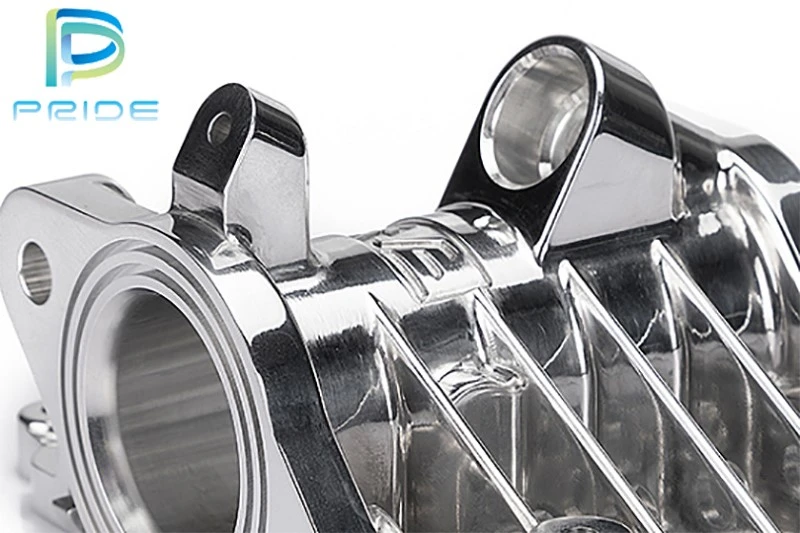
How to design parts for cnc machining?
Jul 29, 2023
Leave a message
Designing parts for CNC machining requires careful consideration of various factors to ensure optimal manufacturability and functionality.
Material Selection: Choose a suitable material for your part based on its intended application, mechanical properties, and environmental conditions. Common materials for CNC machining include metals (aluminum, steel, stainless steel, etc.) and plastics (ABS, acrylic, etc.).
2D or 3D CAD Modeling: Create a detailed and accurate 2D or 3D model of your part using computer-aided design (CAD) software. This model will be used for CNC programming and manufacturing.
Tolerance and Fit: Specify the required tolerances for each dimension to ensure proper fit and functionality of the part. Discuss these tolerances with your CNC machinist to understand the machine's capabilities and limitations.
Avoid Sharp Internal Corners: CNC tools have certain limitations when machining sharp internal corners. Design rounded corners or fillets to improve tool accessibility and prevent stress concentrations.
Wall Thickness: Maintain uniform wall thickness throughout the part to prevent deformation and ensure consistent machining. Avoid extremely thin sections that may lead to breakage during manufacturing.
Add Draft Angles: Include draft angles (taper) on vertical walls to facilitate easy removal of the part from the CNC machine after machining.
Hole Design: Design holes with appropriate diameters and depths. For deep holes, consider using gun drilling or other specialized tooling.
Internal Features: If possible, design parts to minimize the need for internal features that would require complex machining, such as undercuts.
Fillets and Chamfers: Adding fillets or chamfers to edges can enhance the part's aesthetics, increase strength, and prevent sharp edges that might lead to injuries.
Machining Direction: Understand the CNC machine's cutting capabilities and design features in a way that allows for efficient machining. Minimize tool changes and optimize cutting paths to reduce manufacturing time.
Prototyping and Testing: Before proceeding with full-scale production, consider creating a prototype to test the design's functionality and make any necessary adjustments.
Consult with CNC Machinists: Collaboration with experienced CNC machinists during the design process can provide valuable insights and optimize the part for manufacturability.
By following these guidelines and collaborating with skilled CNC machinists, you can design parts that are well-suited for CNC machining, ensuring successful and efficient production.