How CNC Machining Revolutionizes Optical Component Manufacturing
Dec 01, 2023
Leave a message
Optical components play a pivotal role in various industries, from healthcare to aerospace, and precision is paramount. In the world of optical manufacturing, CNC machining has emerged as a game-changer, revolutionizing the way optical components are crafted. This article explores how CNC machining, including the precision and innovation of CNC Turning Optical Parts, brings transformation to the table, even rivalling industry giants like Canon and Sony.
The Evolution of Optical Component Manufacturing
Traditionally, crafting optical components was a labor-intensive and intricate process. Skilled artisans meticulously shaped and polished glass or other materials to create lenses, prisms, and optical mounts. While this approach yielded quality results, it was time-consuming and limited in terms of precision and customization.
CNC machining represents a significant shift in optical component manufacturing. It automates and streamlines the production process, introducing levels of precision and consistency that were previously unattainable. The evolution from traditional methods to CNC machining has been a paradigm shift, empowering manufacturers to meet the demands of modern optical applications.
Understanding CNC Machining
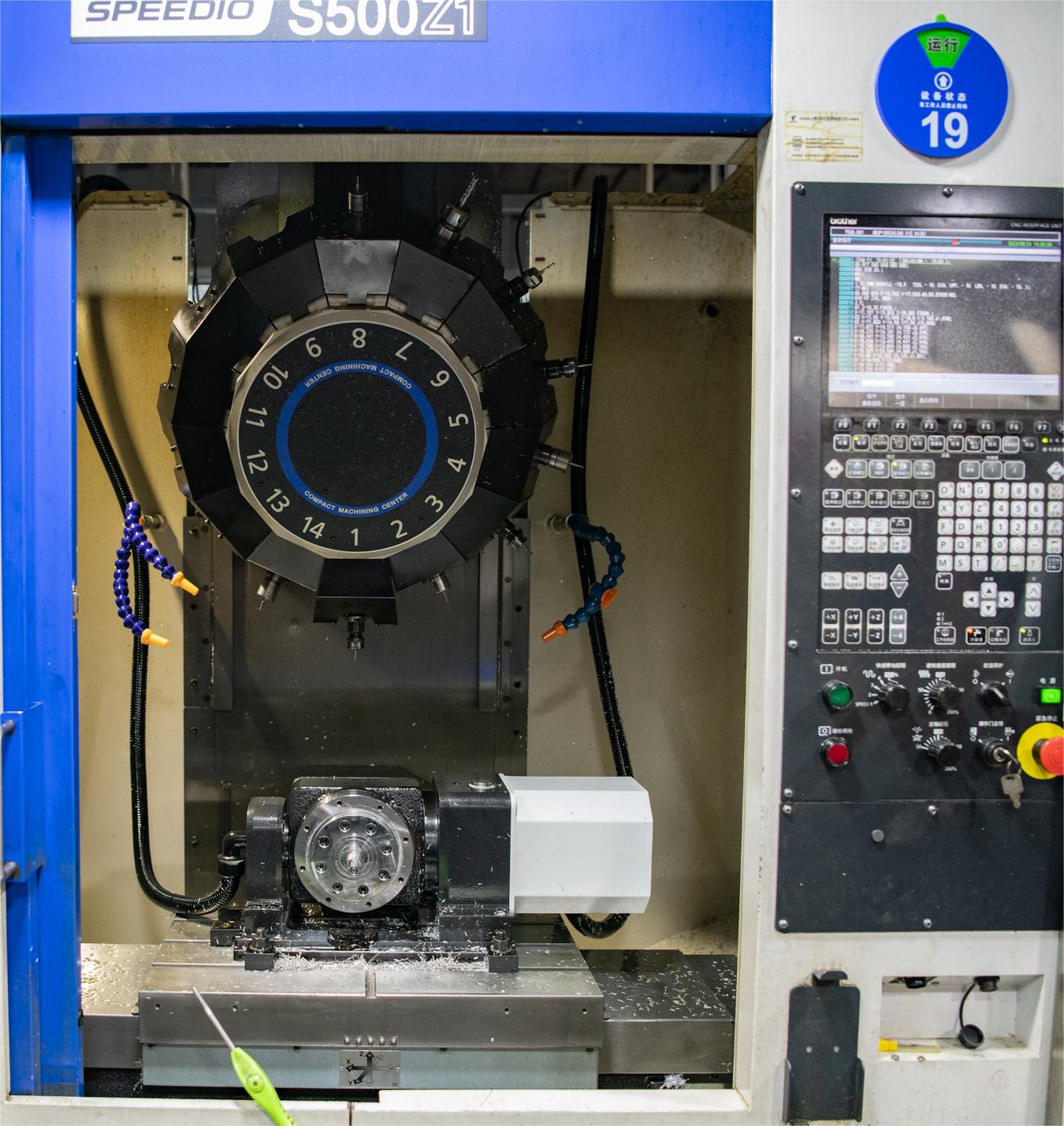
CNC machining, short for Computer Numerical Control machining, involves computer-guided machine tools that remove material from a workpiece to create precise shapes and dimensions. In the context of optical manufacturing, CNC machining ensures unparalleled precision and control over the final product.
The heart of CNC machining lies in its computer-controlled nature. Engineers input design specifications into the CNC machine's computer, which then executes the machining process with exceptional accuracy. This level of precision is essential in optical component manufacturing, where even minor deviations can significantly impact optical performance.
Materials for Precision
Choosing the right materials is fundamental in CNC Turning Optical Parts manufacturing. Manufacturers often opt for materials with superior optical properties, such as optical-grade glass from industry leaders like Schott or specialized plastics recognized for their optical clarity. These materials provide the foundation for achieving optimal optical performance in the final component.
The selection of high-quality materials, combined with CNC machining's precision, ensures that CNC Turning Optical Parts meet the stringent optical standards set by top optical brands, including Canon and Sony.
The CNC Turning Process
CNC Turning Optical Parts are born through a meticulously orchestrated manufacturing process:
Design and Modeling: Engineers employ advanced CAD software to create detailed 3D models that specify dimensions and tolerances.
Material Selection: Optimal materials are chosen, reflecting the project's optical requirements and industry standards.
CNC Turning Setup: CNC machines are configured and programmed to execute the machining tasks based on the CAD model.
Precision Machining: CNC turning commences, with computer control guiding the cutting tools in shaping the material to create the desired optical component.
Quality Control: Rigorous quality control checks are performed throughout the machining process, ensuring that dimensions, tolerances, and surface finishes align with stringent optical specifications.
Surface Finishing: Some optical components may undergo additional processes like polishing and coating to enhance their optical properties and aesthetics.
Optical Testing: Certain components are subject to optical testing to verify their performance, including clarity, refractive properties, and light transmission.
Precision and Customization
One of the key advantages of CNC Turning Optical Parts is their precision, which rivals industry-leading optical brands like Canon and Sony. Each component can be customized to suit specific optical applications, providing flexibility that matches or even surpasses the customization offered by top optical manufacturers. This versatility ensures that CNC Turning Optical Parts meet diverse project requirements across industries.
Quality Assurance in CNC Machining
CNC machining maintains strict quality control standards throughout the manufacturing process. Measurements, inspections, and tests are conducted at various stages to verify that CNC Turning Optical Parts meet the required optical standards. This commitment to quality ensures consistency and reliability in the final product.
Real-World Applications
CNC Turning Optical Parts find applications in an array of industries. In the aerospace sector, they contribute to the development of advanced optical instruments for navigation and surveillance. In healthcare, CNC Turning Optical Parts play a role in the creation of cutting-edge medical imaging devices. Their adaptability and precision make them indispensable in scientific research, where optical excellence is a prerequisite.
Conclusion
CNC machining has revolutionized optical component manufacturing, ushering in a new era of precision, consistency, and customization. CNC Turning Optical Parts, crafted from top-tier materials and guided by computer control, rival the quality and precision of industry giants like Canon and Sony. They have become instrumental in achieving optical excellence across diverse industries, driving innovation in the world of optics. As we look ahead, the future of CNC Turning Optical Parts holds the promise of continued advancement and ever-higher standards in optical performance.