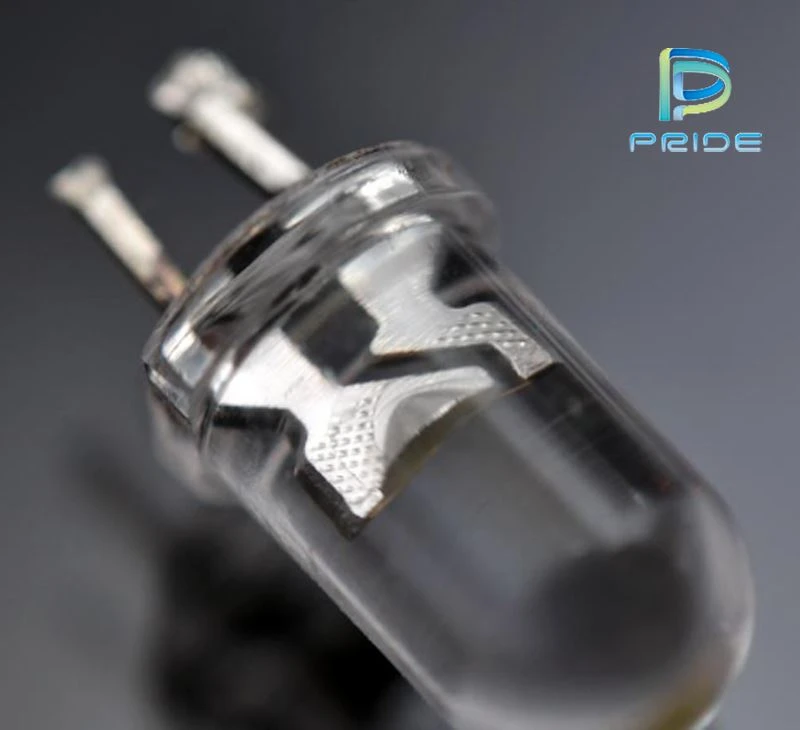
Glass to metal seals in electronic products
Dec 09, 2021
Leave a message
Prevent and detect surface defects before they become a problem
Glass-to-metal sealing is a truly essential phenomenon in electronics, used in the manufacture of all kinds of products. From "old-fashioned" (but still ubiquitous) incandescent light bulbs to vacuum tubes, discharge tubes and semiconductor diodes, to the reed switches found in laptops and flip phones, and virtually all metal-packed electronic components -- without sealing glass to metal seals, our technological lives would no doubt be very different.
In these applications, ensuring that there are no leaks is critical to creating a vacuum seal in the assembly through which power will be transmitted. However, leakage is a real risk because of the simple fact that, in general, metal expands at one rate and glass expands at another - creating mechanical stress during the melting process used to make glass into metal seals. When metal expands faster than glass, the glass breaks. Gaps can occur when metal expands more slowly than glass.
What are the problems with glass to metal seals?
While the glass-metal expansion relationship is only one of many factors (depending on the specific application), ensuring that the expansion of the two materials is compatible is critical to creating a glass-to-metal seal that can do its job. However, mechanical stress as well as leakage seems inevitable due to the different expansion coefficients of various glasses and metals.
We will leave the discussion of glass selection and the development of proprietary glass for glass-to-metal seals to glass specialists. However, we can say that different glasses differ in flow patterns, density, impurities, and other properties that may affect the strength and viscosity of the glass. In addition, the irregularity of the glass surface can affect its strength and produce stresses and changes that can lead to cracking and ultimately failure of the glass-metal seal.
Similarly, with any metal chosen for glass-to-metal sealing, the primary concern is whether the metal has an underground crack or external surface condition that could compromise the integrity of the seal. The tricky part here is that the crack may be obvious -- or, it may be hard to see, not obvious at all. There may be a potential problem that has not yet cracked, but cracks can form when heat is applied to form a glass-to-metal seal. There may be tiny pinpoint defects or tiny longitudinal cracks that become full cracks with repeated thermal cycles. Even surface finish conditions, such as slight mold lines on the metal surface, can cause cracks and ultimately leaks of the glass-to-metal seal.
The good news is that steps can be taken to detect or prevent cracks and other metal surface finish problems that can hinder sealing glass to metal sealing and stability of the final product.
Please contact us at zhang@pride-cnc.com