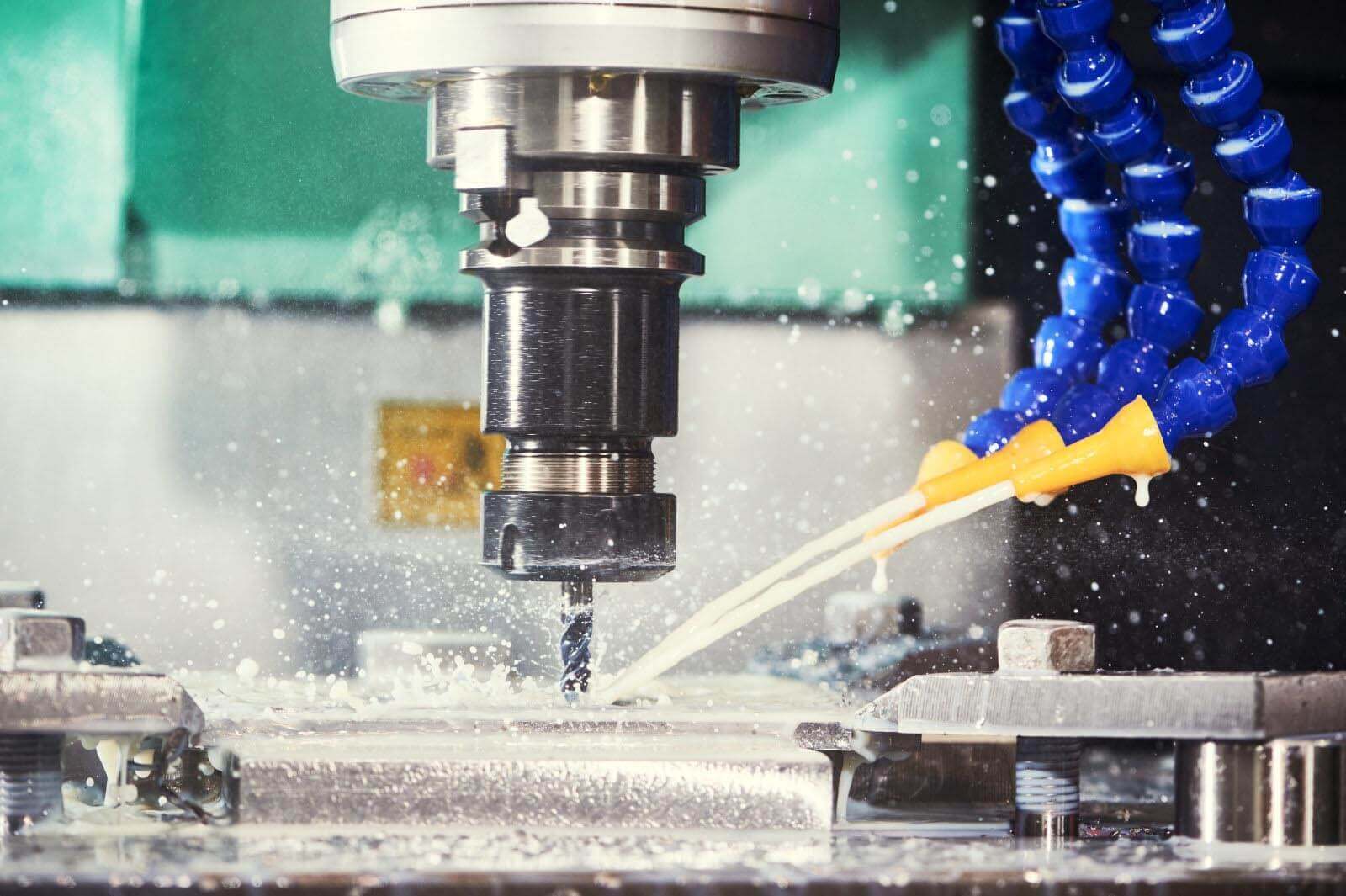
Future Trends in CNC Transmission Part Manufacturing: Innovation and Sustainability
Apr 19, 2024
Leave a message
In the ever-evolving landscape of CNC transmission part manufacturing, the pursuit of continuous improvement and technological innovation stands as a cornerstone for industry advancement. This article embarks on a journey into the future of CNC transmission part manufacturing, elucidating the emerging trends that promise to redefine the industry's trajectory.
Digitalization and Smart Manufacturing Technologies
The integration of digitalization and smart manufacturing technologies heralds a new era of efficiency and agility in CNC transmission part manufacturing. Digital twins, IoT connectivity, and AI-driven analytics empower manufacturers with real-time insights into production processes. From predictive maintenance to adaptive machining strategies, these technologies optimize operations, minimize downtime, and elevate product quality to unprecedented levels.
Artificial Intelligence and Machine Learning
Artificial intelligence (AI) and machine learning (ML) emerge as formidable allies in the quest for optimized CNC transmission part manufacturing. AI algorithms analyze vast datasets to fine-tune machining parameters, predict equipment failures, and optimize production schedules. Meanwhile, ML algorithms continuously learn from production data, enabling adaptive machining strategies and predictive maintenance routines that enhance efficiency, reliability, and cost-effectiveness.
Additive Manufacturing Technology
The disruptive potential of additive manufacturing technology, particularly 3D printing, reshapes the landscape of CNC transmission part manufacturing. Offering unparalleled design flexibility, rapid prototyping capabilities, and on-demand production, additive techniques redefine traditional manufacturing paradigms. By seamlessly integrating additive processes with conventional machining methods, manufacturers unlock new horizons of design complexity, lead time reduction, and part customization to meet evolving market demands.
Environmental Sustainability
Environmental sustainability emerges as a defining imperative in the future of CNC transmission part manufacturing. With a steadfast commitment to eco-friendly materials, energy-efficient processes, and waste reduction strategies, manufacturers navigate towards a greener and more sustainable future. Moreover, advancements in recycling technologies facilitate the circular economy approach, fostering resource conservation and environmental stewardship throughout the manufacturing lifecycle.
Data-Driven Manufacturing
The era of data-driven manufacturing ushers in a paradigm shift in CNC transmission part production. Leveraging big data analytics, IoT sensors, and real-time monitoring systems, manufacturers gain unprecedented visibility into production processes. Harnessing actionable insights derived from data analytics, manufacturers optimize machining parameters, improve product quality, and mitigate defects, culminating in enhanced productivity, efficiency, and customer satisfaction.
Education and Talent Development
Education and talent development emerge as linchpins in shaping the future workforce of CNC transmission part manufacturing. Engineering programs and vocational training initiatives pivot towards digital manufacturing, smart technologies, and environmental sustainability to equip the next generation with requisite skills and knowledge. By nurturing a skilled workforce adept in cutting-edge technologies and industry trends, manufacturers fortify their competitive edge and foster innovation-driven growth.
Continuous Innovation and Collaborative Partnerships
Continuous innovation and collaborative partnerships serve as catalysts for driving future trends in CNC transmission part manufacturing. Manufacturers forge synergistic alliances with suppliers, research institutions, and industry peers to co-create novel technologies, materials, and processes. Embracing open innovation ecosystems, manufacturers accelerate technology adoption, drive sustainable growth, and remain at the forefront of industry evolution.
Conclusion
In conclusion, the future of CNC transmission part manufacturing is characterized by a dynamic interplay of continuous improvement and technological innovation. By embracing digitalization, AI, additive manufacturing, and environmental sustainability, manufacturers unlock new vistas of opportunity and resilience in an ever-evolving marketplace. Education, talent development, and collaborative partnerships emerge as indispensable pillars for charting a course towards a prosperous and sustainable future in CNC transmission part manufacturing.