Exploring Material Choices for 3D Printing and CNC Machining Across Different Industries
Jan 04, 2024
Leave a message
Material selection is a critical aspect of modern manufacturing, as different manufacturing methods and technologies require specific types of materials. This article delves deep into the material selection process for two manufacturing methods, 3D printing and CNC machining, and examines their suitability for various manufacturing domains. We will explore the characteristics of different materials and how they fulfill the requirements of diverse applications.
Material Selection for 3D Printing
3D printing offers a wide array of material options, each tailored to specific needs and applications. Let's delve into the material selection for 3D printing:
Plastic Filaments: 3D printing commonly utilizes plastic filaments like PLA and ABS. PLA, derived from renewable sources such as cornstarch, is known for its user-friendliness and biodegradability. In contrast, ABS offers enhanced durability and resistance to high temperatures, making it suitable for functional prototypes.
Resins: Resin-based 3D printing methods like Stereolithography (SLA) and Digital Light Processing (DLP) utilize liquid photopolymers. These resins range from standard to high-temperature variants and are often chosen for their fine surface finish, ideal for intricate designs.
Metal Powders: Metal 3D printing, or additive manufacturing, involves the use of metal powders such as titanium, aluminum, and stainless steel. These materials cater to applications in aerospace, healthcare, and automotive industries due to their robustness and biocompatibility.
Composite Materials: Composites combine two or more materials to harness their unique properties. Carbon fiber-reinforced composites, for instance, enhance strength and stiffness while minimizing weight, making them valuable in aviation and sports equipment.
Material Selection for CNC Machining
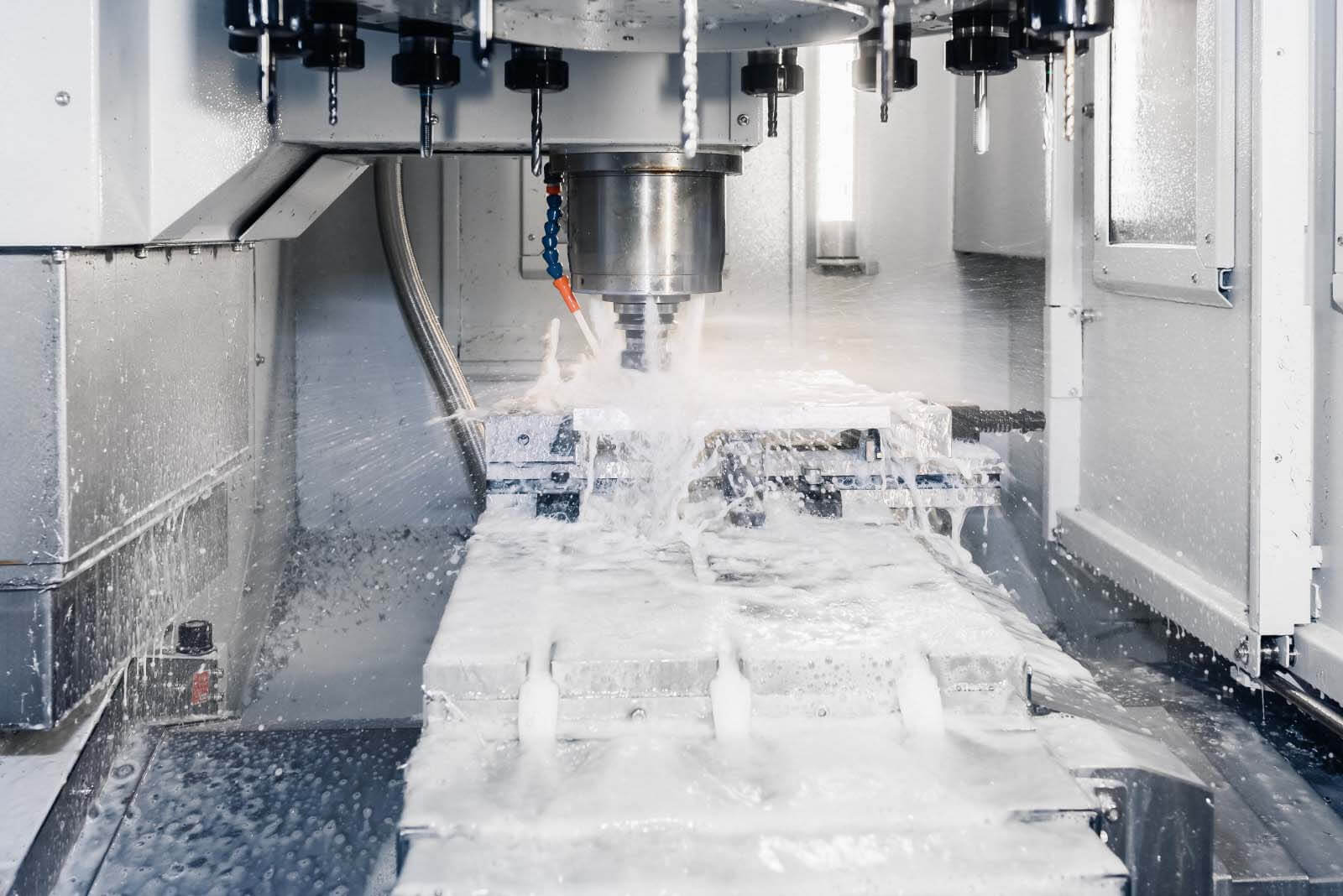
CNC machining is renowned for its ability to work with a wide range of materials, offering precision and versatility. Here's a closer look at material selection for CNC machining:
Metals: CNC machining excels in processing metals like aluminum, steel, brass, and titanium. Aluminum, prized for its lightweight and corrosion resistance, is a favorite in aerospace and automotive industries. Stainless steel's durability makes it invaluable in medical devices and kitchen equipment.
Plastics: Plastics, including acrylics, polycarbonates, and polyethylene, find widespread use in CNC machining due to their versatility and ease of machining. They cater to industries like signage, consumer goods, and medical equipment.
Wood: Wood CNC machining creates intricate wooden components for furniture, cabinetry, and artistic installations. Wood's natural aesthetics make it a popular choice in interior design and architectural applications.
Composite Materials: CNC machining can also handle composite materials, such as fiberglass-reinforced plastics (FRP), used in boat building and automotive parts.
Applications of Different Materials
Material selection profoundly influences the suitability of 3D printing and CNC machining for various applications:
3D Printing Applications: 3D printing's diverse materials cater to industries like healthcare, where biocompatible resins are used for dental and medical implants. Engineering-grade plastics support prototyping in automotive and aerospace, while artistic creations benefit from intricate designs achievable with resin-based 3D printing.
CNC Machining Applications: CNC machining's robustness in handling metals extends to aerospace components, precision parts in medical devices, and customized automotive components. Plastics and wood CNC machining serves the consumer goods industry, creating intricate and functional products.
Material Selection and Design Freedom
Material selection significantly influences design freedom:
3D Printing Design Freedom: 3D printing allows for intricate geometries and complex internal structures, making it ideal for customized and artistic designs. Materials like flexible TPU are suitable for producing soft and elastomeric parts.
CNC Machining Design Constraints: CNC machining's design freedom is influenced by tool limitations. Sharp angles and complex curves may require additional machining steps, impacting cost and lead times.
Sustainability and Environmental Considerations
Sustainability and environmental concerns are becoming increasingly important in material selection:
3D Printing Sustainability: PLA, derived from renewable sources, aligns with sustainable practices. Additionally, 3D printing's minimal material waste minimizes environmental impact.
CNC Machining Environmental Considerations: Proper management and recycling of waste material generated in CNC machining are essential to minimize environmental impact.
Conclusion:
In conclusion, material selection plays a crucial role in determining the success of manufacturing processes. Understanding the diverse range of materials available for 3D printing and CNC machining, along with their applicability in various industries, empowers manufacturers and designers to make informed decisions that meet specific project requirements and optimize performance and efficiency.