Evolution of Machined Parts: Tradition to Modernity
Apr 07, 2024
Leave a message
The evolution of machined parts manufacturing technology stands as a testament to humanity's ceaseless quest for progress. In this exploration, we embark on a journey through time, tracing the trajectory of machined parts manufacturing from its humble origins to the sophisticated processes of the present day. By unraveling the layers of history, we seek to uncover the pivotal moments and technological innovations that have shaped the landscape of modern industry.
Ancient Machined Parts Manufacturing Technology
In the annals of history, the roots of machined parts manufacturing can be traced back to ancient civilizations that laid the foundation for modern engineering practices. From the masterful metalwork of ancient Greece to the intricate bronze casting techniques of Imperial China, early craftsmen demonstrated remarkable ingenuity in shaping raw materials into functional components. These traditional methods, though rudimentary by today's standards, provided the building blocks upon which subsequent innovations would be built.
The Industrial Revolution and Mechanized Manufacturing
The dawn of the Industrial Revolution heralded a new era of mechanized manufacturing, propelled by breakthroughs in steam power and machinery. Factories emerged as the epicenters of innovation, where the relentless pursuit of efficiency drove the development of transformative technologies. The invention of the steam engine by James Watt revolutionized transportation and catalyzed the mechanization of production processes, while the introduction of precision machining tools such as lathes and milling machines paved the way for mass production on an unprecedented scale. This era of mechanized manufacturing laid the groundwork for the industrial powerhouses of the modern world.
The Emergence of the Digital Age
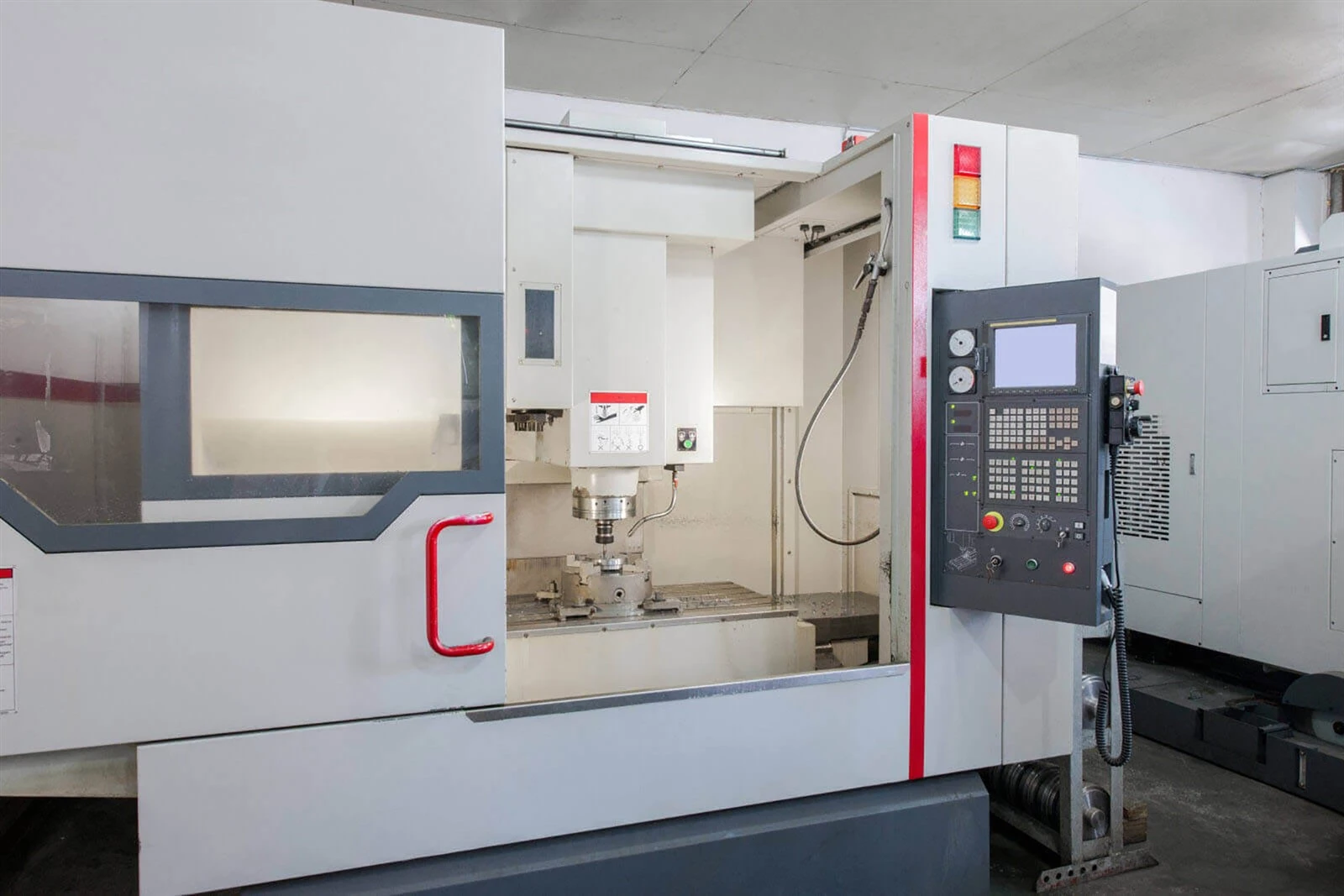
With the advent of the digital age, machined parts manufacturing underwent a paradigm shift, propelled by advancements in computer technology and automation. Computer Numerical Control (CNC) machining emerged as a game-changer, offering unparalleled precision and repeatability in the production process. By translating digital designs into machine-readable instructions, CNC technology revolutionized the way machined parts were manufactured, enabling greater complexity and customization than ever before. This marriage of digital innovation and traditional craftsmanship marked a watershed moment in the history of manufacturing.
Modern Machined Parts Manufacturing Technology
In the contemporary era, machined parts manufacturing has reached unprecedented levels of sophistication and efficiency. Advanced manufacturing techniques such as additive manufacturing (3D printing) and laser cutting have expanded the realm of possibilities, allowing for the production of complex geometries with unparalleled precision. Additive manufacturing, in particular, has democratized the manufacturing process, enabling rapid prototyping and customization without the need for expensive tooling. Meanwhile, laser cutting technology has revolutionized the fabrication of sheet metal components, offering fast, precise, and cost-effective solutions for a wide range of applications.
Future Trends and Prospects
Looking ahead, the future of machined parts manufacturing is ripe with possibilities, fueled by advancements in artificial intelligence (AI) and the Internet of Things (IoT). AI-driven algorithms promise to optimize production processes, enhance quality control, and minimize waste, ushering in an era of unprecedented efficiency and productivity. Meanwhile, IoT-enabled sensors offer real-time insights into machine performance and product quality, enabling proactive maintenance and continuous improvement. As we stand on the cusp of a new industrial revolution, the potential for innovation in machined parts manufacturing is boundless.
Conclusion
In conclusion, the history of machined parts manufacturing is a testament to human ingenuity and technological progress. From its humble beginnings in ancient workshops to the high-tech factories of the modern era, the evolution of machined parts manufacturing has been marked by innovation, perseverance, and a relentless pursuit of excellence. As we look to the future, let us embrace the opportunities that lie ahead, confident in our ability to push the boundaries of what is possible and shape a world where anything is achievable.